Introduction
There are few things as comforting and truly American as a warm, golden-crusted slice of cornbread. It’s a staple that evokes images of family dinners, hearty stews, and lazy Sunday mornings. But not all cornbread is created equal. While many versions exist, from sweet to savory, cake-like to crumbly, there’s something undeniably special about a perfectly baked, rustic cornbread with a crust so deep golden it practically glows. This isn’t just a side dish; it’s a star in its own right, ready to soak up the last drops of chili, accompany a plate of collard greens, or simply be enjoyed with a generous smear of butter and a drizzle of honey.
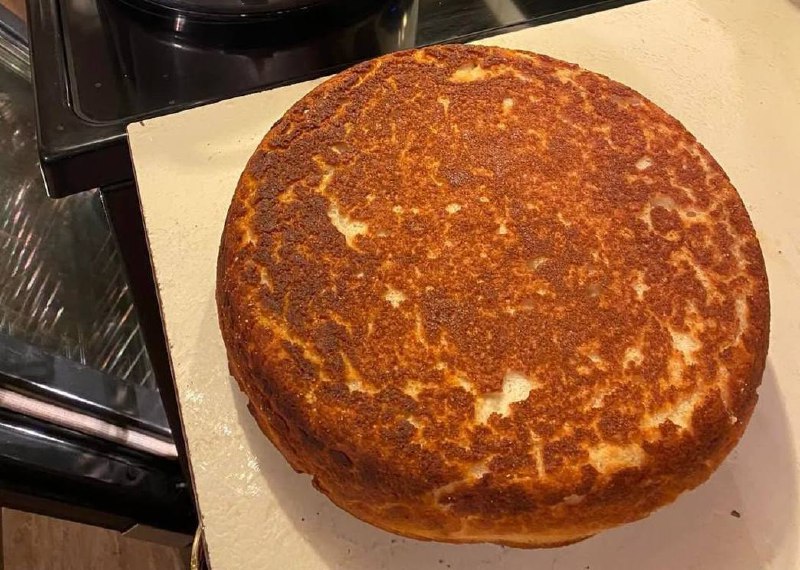
What makes *this* cornbread truly stand out is its incredible crust. That rich, almost mahogany hue isn’t just for show; it promises a delightful crunch with every bite, perfectly contrasting with the tender, moist interior. We’re talking about a cornbread that achieves that coveted balance: crispy on the outside, soft and flavorful within, without being overly dry or too dense. It’s the kind of cornbread that makes you close your eyes and savor the moment, a true taste of homestyle comfort that’s surprisingly simple to achieve in your own kitchen.
This recipe focuses on bringing out the best in simple, honest ingredients, emphasizing techniques that guarantee that show-stopping golden crust every time. Forget dry, crumbly disappointments; prepare yourself for a cornbread experience that will become your go-to, a testament to the power of classic flavors and a little bit of culinary magic. Get ready to bake the cornbread you’ve always dreamed of!
Nutritional Information
Per serving (approximate values, based on 8 servings):
- Calories: 280
- Protein: 7g
- Carbohydrates: 38g
- Fat: 11g
- Fiber: 3g
- Sodium: 450mg
Ingredients
- 1 ½ cups (about 225g) yellow cornmeal, medium-ground or stone-ground preferred
- 1 cup (about 120g) all-purpose flour
- ¼ cup (about 50g) granulated sugar (adjust to taste for sweeter or more savory)
- 1 tablespoon baking powder
- ½ teaspoon baking soda
- 1 teaspoon salt
- 1 ½ cups (about 360ml) buttermilk, at room temperature
- ½ cup (about 120ml) whole milk, at room temperature
- 2 large eggs, at room temperature, lightly beaten
- ½ cup (1 stick or 113g) unsalted butter, melted and slightly cooled, plus 2 tablespoons for the pan
Instructions
- Preheat your oven to 400°F (200°C). Place a 10-inch cast-iron skillet (or a heavy, oven-safe baking dish) into the oven with 2 tablespoons of unsalted butter (or bacon grease/vegetable oil) inside. Allow the skillet and fat to heat up for at least 10-15 minutes while you prepare the batter. This crucial step is key to developing that incredible golden crust.
- In a large mixing bowl, whisk together the cornmeal, all-purpose flour, granulated sugar, baking powder, baking soda, and salt. Make sure there are no lumps and the dry ingredients are thoroughly combined.
- In a separate medium bowl, whisk together the buttermilk, whole milk, and lightly beaten eggs.
- Pour the wet ingredients into the dry ingredients. Add the ½ cup of melted and slightly cooled butter to the mixture.
- Using a spatula or wooden spoon, mix the batter just until the dry ingredients are moistened. It’s very important not to overmix; a few small lumps are perfectly fine. Overmixing can lead to tough cornbread.
- Carefully remove the hot skillet from the oven using oven mitts. Swirl the melted butter (or other fat) around the pan to coat the bottom and sides completely. The butter should be sizzling gently.
- Immediately and carefully pour the cornbread batter into the hot, greased skillet. The batter should sizzle as it hits the hot fat and pan, which helps create that desirable crispy crust.
- Return the skillet to the preheated oven and bake for 20-25 minutes, or until the cornbread is deeply golden brown on top and a wooden skewer or toothpick inserted into the center comes out clean. The top should feel firm to the touch.
- Once baked, carefully remove the skillet from the oven. For the crispiest bottom crust, let the cornbread cool in the skillet for 5-10 minutes before inverting it onto a wire rack to cool slightly further, or serve directly from the skillet (being mindful of the hot pan).
- Slice and serve warm with your favorite accompaniments, such as butter, honey, jam, or alongside a hearty bowl of chili or stew.
Cooking Tips and Variations
Achieving that perfect golden-crusted cornbread is easier than you think, but a few key tips can elevate your results from good to absolutely phenomenal. The first and arguably most important tip for this recipe is the preheated cast-iron skillet. This technique creates a “fried” bottom crust that is incredibly crispy and contributes significantly to the overall golden hue and rustic texture. Don’t skip it! Make sure your skillet is screaming hot before you pour in the batter; you should hear a satisfying sizzle. Additionally, using room temperature wet ingredients helps them incorporate more smoothly into the batter, leading to a more even texture.
When it comes to ingredients, the type of cornmeal matters. A medium-ground or stone-ground yellow cornmeal will give you that authentic, slightly coarse texture visible in our ideal cornbread. Fine cornmeal can result in a more cake-like texture, while overly coarse might be too gritty for some preferences. The small amount of sugar in this recipe is not just for sweetness; it plays a crucial role in achieving that deep, even golden-brown crust through caramelization. If you prefer a truly savory cornbread, you can reduce the sugar to 1-2 tablespoons, but be aware that the crust might not brown as intensely.
Mixing is another critical step. Always mix the dry ingredients thoroughly first, then add the wet ingredients and the melted butter. Mix just until the ingredients are combined and no streaks of dry flour remain. Overmixing develops the gluten in the flour, leading to a tough, chewy cornbread instead of a tender, crumbly one. A few lumps are perfectly acceptable and even desirable. For a richer flavor and even better crust, consider using bacon fat instead of butter to grease your hot skillet. The smoky flavor it imparts is simply divine.
If you want to customize your cornbread, the possibilities are endless. For a spicy kick, fold in ½ cup of finely diced pickled or fresh jalapeños (seeded for less heat). Adding 1 cup of shredded sharp cheddar cheese or a blend of Mexican cheeses along with the jalapeños makes for a fantastic savory variation. For a sweeter, more rustic touch, you could add ½ cup of fresh or frozen corn kernels (no need to thaw) to the batter. Crumbled cooked bacon bits (½ cup) can also be folded in for a smoky, salty addition that pairs wonderfully with the cornbread’s natural sweetness.
Another variation involves using different types of fat. While butter is classic, substituting half of the melted butter in the batter with good quality vegetable oil can result in an even moister crumb. For an old-fashioned flavor, using all bacon grease (both in the pan and in the batter) will give you an incredibly savory and tender cornbread. Remember to adjust the salt slightly if using salty bacon grease. Finally, for an extra-crispy edge, some people like to brush a little extra melted butter or bacon grease over the top of the cornbread halfway through baking.
Storage and Reheating
Proper storage is key to keeping your delicious homemade cornbread fresh and flavorful for as long as possible. Once your cornbread has cooled completely to room temperature, which is essential to prevent condensation and sogginess, you have a few options for storage. For short-term storage, up to 2-3 days, wrap the cornbread tightly in plastic wrap or aluminum foil. You can also place it in an airtight container. Storing it at room temperature on the countertop is usually best, as refrigeration can sometimes dry out cornbread, making it crumbly and less appealing.
If you need to store your cornbread for a longer period, it freezes exceptionally well. Once cooled, wrap individual slices or the entire loaf tightly in plastic wrap, then wrap again in aluminum foil to prevent freezer burn. Label with the date. Frozen cornbread can last for up to 2-3 months. Thaw frozen cornbread overnight in the refrigerator or at room temperature before reheating.
Reheating cornbread properly helps revive its texture and warmth. For the best results, especially if you want to bring back some of that coveted crisp crust, use an oven or toaster oven. Preheat your oven to 300-325°F (150-160°C). Place slices of cornbread directly on a baking sheet or wrap them loosely in foil to retain moisture. Heat for 10-15 minutes, or until warmed through. If wrapped in foil, remove the foil for the last few minutes to allow the crust to crisp up again. For individual slices, a toaster oven works wonders, often taking just 5-7 minutes.
You can also reheat cornbread in a microwave, but be aware that this method tends to soften the crust and can make the cornbread a bit chewier or even rubbery if overdone. If using a microwave, heat individual slices on a microwave-safe plate for 20-30 seconds at a time, checking frequently until just warm. Avoid overheating. No matter the reheating method, serving it with a fresh pat of butter or a drizzle of warm honey will always enhance the experience.
Frequently Asked Questions
What’s the secret to that deep golden crust?
The secret lies in a combination of factors: using a hot, preheated cast-iron skillet with melted fat (like butter or bacon grease) before adding the batter, and the small amount of sugar in the recipe. The hot pan immediately starts to “fry” the bottom and sides of the cornbread, creating an incredibly crispy, golden crust, while the sugar helps the top caramelize and brown beautifully in the oven. Ensuring adequate baking time also allows for proper browning.
Can I make this cornbread without buttermilk?
Yes, you can! If you don’t have buttermilk on hand, you can easily make a substitute. For 1 ½ cups of buttermilk, simply pour 1 ½ cups of regular milk (whole milk works best) into a measuring cup and stir in 1 ½ tablespoons of white vinegar or lemon juice. Let it sit for 5-10 minutes until it slightly curdles. This acidity is important for reacting with the baking soda, which helps with the rise and texture of the cornbread.
Why did my cornbread come out dry and crumbly, or tough?
Dry and crumbly cornbread often happens from overbaking or not enough fat/moisture. Make sure you’re baking it just until a toothpick comes out clean, and no longer. Tough cornbread is almost always due to overmixing the batter. When you overmix, you develop the gluten in the flour, which leads to a dense, chewy texture. Mix just until the dry ingredients are moistened; a few lumps are fine and even preferable.