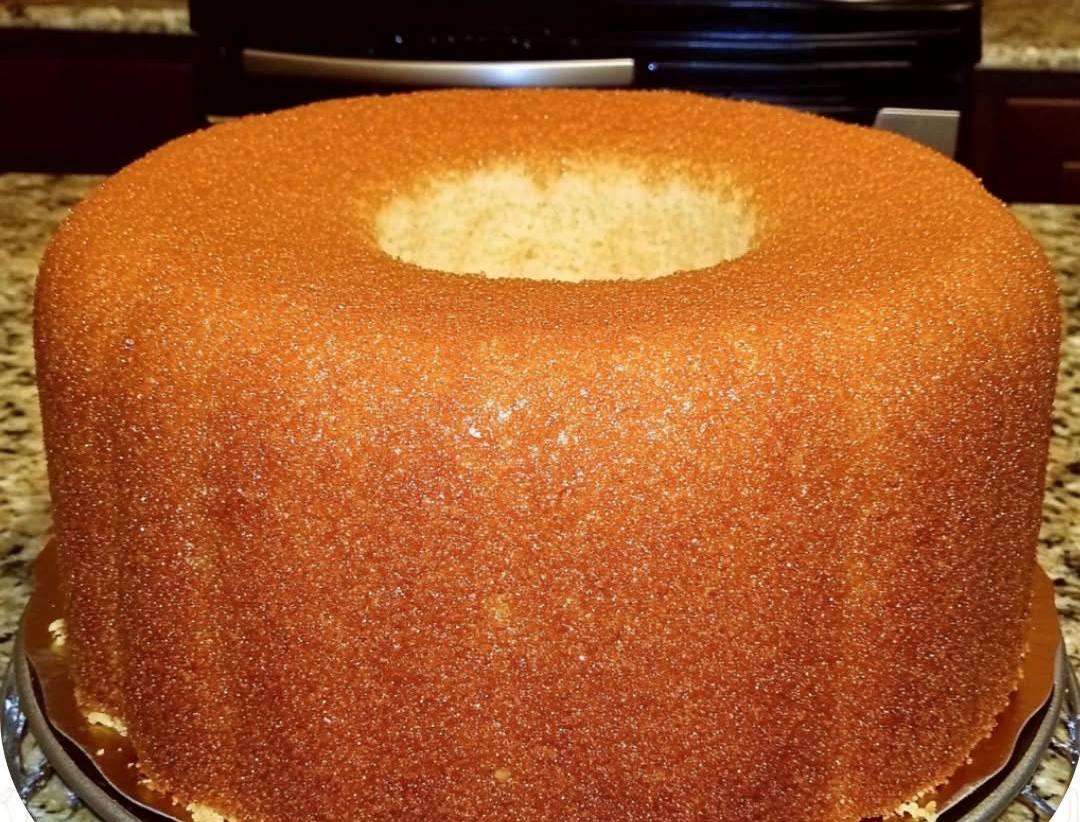
Instructions
- Preheat your oven to 325°F (160°C). Generously grease and flour a 10-12 cup Bundt pan. Ensure every crevice is coated to prevent sticking. A baking spray with flour can also be used effectively.
- In a medium bowl, whisk together the flour, baking powder, and salt. Set aside.
- In a large bowl, using an electric mixer with the paddle attachment, cream together the softened butter and granulated sugar on medium-high speed for 5-7 minutes, until light, fluffy, and pale in color. This creaming process is crucial for incorporating air and achieving that “mile high” lift.
- Add the eggs one at a time, beating well after each addition. Scrape down the sides of the bowl as needed to ensure everything is fully incorporated. The mixture may look slightly curdled at this stage, which is normal.
- In a small bowl, whisk together the sour cream, lemon juice, lemon zest, and vanilla extract until well combined.
- With the mixer on low speed, gradually add about one-third of the dry ingredient mixture to the butter mixture, mixing just until combined.
- Next, add half of the sour cream mixture, mixing until just incorporated.
- Repeat with another one-third of the dry ingredients, then the remaining half of the sour cream mixture, and finally the last one-third of the dry ingredients. Mix on low speed *just until no streaks of flour remain*. Be careful not to overmix, as this can lead to a tough cake.
- Pour the batter evenly into the prepared Bundt pan. Gently tap the pan a few times on the counter to release any air bubbles and help the batter settle evenly.
- Bake for 60-75 minutes, or until a wooden skewer or toothpick inserted into the center of the cake comes out clean. The top should be deeply golden brown and spring back when lightly touched. If the cake is browning too quickly, you can loosely tent it with aluminum foil during the last 15-20 minutes of baking.
- Once baked, remove the cake from the oven and let it cool in the Bundt pan on a wire rack for exactly 15-20 minutes. This cooling time in the pan is essential for the cake to set properly and prevent it from breaking when inverted.
- After 15-20 minutes, carefully invert the cake onto the wire rack. Lift the pan off gently. If the cake resists, give the pan a gentle jiggle. Allow the cake to cool completely on the wire rack before glazing or slicing, which can take 1-2 hours.
- While the cake cools, prepare the glaze (if using). In a small bowl, whisk together the sifted powdered sugar, lemon juice, and optional lemon zest until smooth. The glaze should be thick enough to slowly drizzle but pourable. Add more lemon juice a teaspoon at a time if it’s too thick, or more powdered sugar if it’s too thin.
- Once the cake is completely cool, drizzle the lemon glaze evenly over the top, allowing it to cascade down the sides. Let the glaze set for about 15-20 minutes before slicing and serving.
Cooking Tips and Variations
To truly achieve that “Mile High” status and a perfect crumb, attention to detail is key. First and foremost, ensure all your cold ingredients, especially the butter, eggs, and sour cream, are at room temperature. This allows them to emulsify properly, creating a smooth, airy batter that holds more volume and bakes evenly. Cold ingredients can lead to a lumpy batter and a denser, less tender cake. Take them out of the fridge at least 1-2 hours before you plan to bake.
When creaming the butter and sugar, don’t rush it. This step is fundamental for incorporating air into the mixture, which is a major contributor to the cake’s rise. Creaming for the full 5-7 minutes until the mixture is light and fluffy is crucial. The color should noticeably lighten. Similarly, when adding the dry ingredients and sour cream mixture, mix only until just combined. Overmixing develops the gluten in the flour, leading to a tough, dry cake. A few small streaks of flour are better than an overmixed batter.
Proper pan preparation is non-negotiable for a Bundt cake. Grease every nook and cranny of your Bundt pan thoroughly with softened butter or shortening, then dust it generously with flour, tapping out any excess. For intricate Bundt pans, a baking spray that contains flour is an excellent shortcut. This meticulous preparation ensures your beautiful cake releases cleanly and intact. Don’t skip the cooling time in the pan; it allows the cake’s delicate structure to firm up before being inverted, preventing it from collapsing or breaking.
For an even more intense lemon flavor, consider brushing the warm cake with a lemon syrup right after it comes out of the oven and before it cools completely. A simple syrup made from 1/4 cup sugar and 1/4 cup lemon juice, simmered until the sugar dissolves, can be brushed over the cake. This adds moisture and a burst of concentrated lemon. You can also experiment with different citrus zests; orange or lime zest can be added alongside or in place of some of the lemon zest for a unique twist. For a richer, slightly tangy flavor, replace half of the sour cream with full-fat Greek yogurt.
To make this cake truly decadent, serve it with a dollop of fresh whipped cream and a handful of fresh berries (raspberries or blueberries pair wonderfully with lemon). For an extra crunch, sprinkle some toasted slivered almonds on top of the glaze. If you prefer a less sweet cake, you can reduce the sugar in the cake batter by 1/4 cup without significantly affecting the texture, but do not reduce it further as sugar plays a role in moisture and browning. Remember, baking is a science, but also an art – feel free to personalize it to your taste once you’ve mastered the basic technique!
Storage and Reheating
Proper storage is key to keeping your Mile High Lemon Pound Cake fresh, moist, and delicious for as long as possible. Once the cake has completely cooled and the glaze (if used) has set, store it at room temperature in an airtight container or under a cake dome. This will protect it from drying out and absorbing other odors. Stored this way, the pound cake will remain fresh and delightful for 3-4 days. Avoid refrigerating the cake unless absolutely necessary, as the cold air can dry it out and alter its texture, making it denser and less tender. If you must refrigerate, ensure it’s tightly wrapped to minimize moisture loss.
For longer storage, this lemon pound cake freezes beautifully. To freeze, ensure the cake is completely cooled and ungrazed. Wrap individual slices or the entire cake tightly in plastic wrap, then wrap again in aluminum foil. This double layer of protection prevents freezer burn. Label with the date. The cake can be frozen for up to 2-3 months. To thaw, simply unwrap the cake and let it sit at room temperature for several hours (slices will thaw faster than a whole cake) until completely defrosted. You can then glaze it if desired.
Reheating is generally not recommended for pound cake, as it’s best enjoyed at room temperature for optimal texture and flavor. However, if you prefer a slightly warm slice, you can gently warm individual slices in the microwave for 10-15 seconds, or in a preheated oven at 250°F (120°C) for about 5-10 minutes. Be careful not to overheat, as this can dry out the cake. If the cake was frozen, ensure it is fully thawed before attempting to warm it. The glaze should ideally be applied after thawing if you plan to freeze the cake, as freezing can sometimes make glazes weep or become sticky upon thawing.
Frequently Asked Questions
Why did my pound cake sink in the middle?
There are several common reasons a pound cake might sink. Overmixing the batter is a frequent culprit, as it develops too much gluten, leading to a weak structure. Opening the oven door too early during baking can also cause a sudden temperature drop, making the cake collapse. Insufficient baking time, where the center isn’t fully cooked, will also result in a sunken cake. Lastly, using too much leavening agent (like baking powder) or having ingredients that are not at room temperature can disrupt the cake’s structure.
Can I make this pound cake without a Bundt pan?
Yes, you can! While the Bundt pan gives it its signature impressive shape, you can bake this pound cake in other pans. A 10-inch tube pan (angel food cake pan) or two 9×5-inch loaf pans would work. If using loaf pans, reduce the baking time to approximately 50-60 minutes, or until a skewer comes out clean. Be sure to grease and flour these pans just as thoroughly as you would a Bundt pan.
What’s the difference between cake flour and all-purpose flour for pound cake?
While this recipe uses all-purpose flour for a sturdy yet tender crumb, cake flour has a lower protein content, which results in an even finer, softer, and more tender crumb. If you want a truly delicate pound cake, you can substitute 2 1/2 cups of cake flour for the 3 cups of all-purpose flour in this recipe. However, all-purpose flour provides a classic pound cake texture that is dense yet moist, which many prefer.
My lemon glaze is too thick/thin. How do I fix it?
Adjusting glaze consistency is easy! If your glaze is too thick, gradually add more lemon juice, a teaspoon at a time, whisking well after each addition, until it reaches your desired pourable consistency. If it’s too thin, sift in more powdered sugar, a tablespoon at a time, until it thickens up. Remember, you want a glaze that drizzles slowly and coats the cake nicely, not one that runs off too quickly.