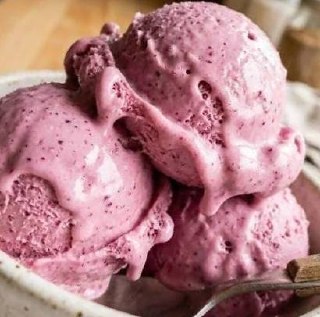
Instructions
- Chill Coconut Milk: Place both cans of full-fat coconut milk in the refrigerator overnight (at least 8 hours). This allows the thick cream to separate from the liquid.
- Prepare Berry Puree: In a medium saucepan, combine the mixed berries and granulated sugar (or maple syrup). Cook over medium heat, stirring occasionally, until the berries break down and release their juices, about 5-7 minutes. If using fresh berries, you might need to add a splash of water (1-2 tablespoons) to help them break down.
- Mash and Strain (Optional): Once the berries are soft, remove from heat. You can mash them with a fork or potato masher for a chunkier texture, or for a smoother ice cream, carefully transfer the mixture to a blender and blend until smooth. For an ultra-smooth ice cream without seeds, press the blended berry mixture through a fine-mesh sieve into a clean bowl, discarding the solids.
- Cool Berry Mixture: Allow the berry puree to cool completely. You can place the bowl in an ice bath or refrigerate it for at least 30 minutes to speed up the cooling process.
- Combine Ingredients: Open the chilled cans of coconut milk. Scoop out the thick, solid coconut cream from the top of the cans into a large mixing bowl. Reserve the clear liquid for other uses (like smoothies) or discard. Add the cooled berry puree, vanilla extract, salt, and lemon juice (if using) to the coconut cream.
- Whisk Until Smooth: Using a whisk or electric mixer, thoroughly combine all the ingredients until the mixture is smooth and well-incorporated. Ensure there are no lumps of coconut cream.
- Chill Mixture: Cover the bowl and refrigerate the ice cream mixture for at least 2-4 hours, or preferably overnight. This step is crucial for achieving the best texture, as a very cold base churns more effectively.
- Churn Ice Cream: Pour the chilled ice cream mixture into your ice cream maker’s freezer bowl. Churn according to the manufacturer’s instructions, typically for 20-30 minutes, until the mixture reaches the consistency of soft-serve ice cream.
- Freeze to Firm: Transfer the soft-serve ice cream to an airtight freezer-safe container. Press a piece of parchment paper or plastic wrap directly onto the surface of the ice cream to prevent ice crystals from forming. Freeze for at least 4-6 hours, or until firm enough to scoop.
- Serve: Let the ice cream sit at room temperature for 5-10 minutes before scooping to allow it to soften slightly for easier serving. Enjoy!
Cooking Tips and Variations
Achieving that perfectly creamy, scoopable texture in dairy-free ice cream often comes down to a few key techniques. First and foremost, always use full-fat coconut milk and ensure it’s thoroughly chilled overnight. This allows the rich coconut cream to separate, which is essential for the ice cream’s body and mouthfeel. Don’t skimp on the chilling time for both the coconut milk and the final ice cream base before churning; a colder base churns more efficiently and results in smaller ice crystals, leading to a smoother texture. If you don’t have an ice cream maker, you can try a “no-churn” method by freezing the mixture in a shallow pan and stirring it vigorously every 30-60 minutes for the first 3-4 hours of freezing, until it’s firm. While it won’t be quite as creamy as churned ice cream, it’s a good alternative.
For variations, feel free to experiment with your favorite berries. A single berry variety like raspberry or blueberry works beautifully, or you can even add a tropical twist with mango or pineapple. Adjust the sweetness to your liking; if your berries are particularly sweet, you might reduce the sugar, and if they’re tart, a little extra might be needed. For an added layer of flavor, consider adding a pinch of cinnamon or cardamom to the berry mixture while cooking. A splash of liquor, such as a tablespoon of vodka or rum, can also help keep the ice cream softer and less icy due to its lower freezing point. Serve your finished ice cream with a sprinkle of toasted coconut flakes, a drizzle of dairy-free chocolate sauce, or alongside a slice of vegan pound cake for an extra special treat.
Storage and Reheating
Storing homemade ice cream properly is key to maintaining its delicious texture and preventing freezer burn. Once your Mixed Berry Coconut Milk Ice Cream has firmed up in the freezer, transfer it to an airtight freezer-safe container. Press a piece of parchment paper or plastic wrap directly onto the surface of the ice cream before sealing the container. This creates a barrier that minimizes contact with air, which is the primary cause of ice crystal formation and freezer burn. Stored this way, your ice cream will stay fresh and delicious for up to 2-3 weeks. Beyond that, while still safe to eat, the texture may start to degrade.
Reheating isn’t really applicable to ice cream, as the goal is to keep it frozen. However, when you’re ready to enjoy a scoop, it’s best to let the container sit out at room temperature for 5-10 minutes before serving. This brief softening period allows the ice cream to become more pliable and easier to scoop, bringing out its full creamy potential. Trying to scoop rock-hard ice cream straight from the freezer can be challenging and might damage your spoon or the ice cream itself. If you’ve stored it for a while and it’s become very hard, you might need a few extra minutes of softening time.
Frequently Asked Questions
What kind of coconut milk should I use for this recipe?
It is crucial to use full-fat canned coconut milk for this recipe, not the carton-style coconut beverage used for drinking. The high-fat content of full-fat coconut milk is what gives this ice cream its rich, creamy texture, mimicking traditional dairy ice cream. Chilling the cans overnight is also essential, as it allows the thick coconut cream to separate from the thinner liquid, and you’ll primarily use the cream for the base.
Can I use frozen berries instead of fresh?
Absolutely! Frozen mixed berries work perfectly in this recipe. In fact, they can be even more convenient as they are often picked at their peak ripeness and flash-frozen, locking in their flavor and nutrients. There’s no need to thaw them before cooking them down for the puree; just add them directly to the saucepan with the sugar.
Do I need an ice cream maker for this recipe?
For the best, creamiest results, an ice cream maker is highly recommended. The continuous churning process prevents large ice crystals from forming, resulting in a smooth, scoopable texture. While there are “no-churn” methods that involve freezing and stirring, they typically yield a slightly icier, less creamy consistency compared to using an ice cream maker.
Why did my ice cream turn out icy?
Several factors can contribute to icy ice cream. The most common reasons include not using full-fat coconut milk, not chilling the coconut milk and the ice cream base sufficiently before churning, or not churning long enough. Make sure your ice cream maker’s bowl is thoroughly frozen, and don’t skip the step of pressing parchment paper directly onto the surface of the ice cream when freezing to prevent air exposure and ice crystal formation.