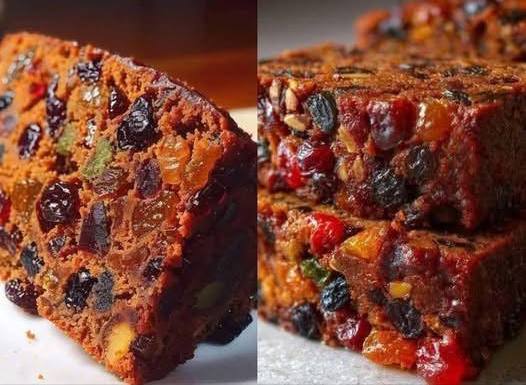
Instructions
- Prepare the Fruits: In a large bowl, combine the dark raisins, golden raisins, dried cranberries, candied red cherries, mixed candied citrus peel, dried apricots, and dried figs. Pour the dark rum, brandy, or orange juice over the fruit. Stir well to ensure all fruit is coated. Cover the bowl tightly with plastic wrap and let it soak at room temperature for at least 24 hours, or up to 3-5 days, stirring occasionally. This step is crucial for plumping the fruits and infusing them with flavor and moisture.
- Preheat Oven & Prepare Pan: Preheat your oven to a low temperature, typically 300°F (150°C). Grease a 9-inch round springform pan or a 9×5 inch loaf pan. Line the bottom and sides generously with parchment paper, allowing the paper to extend a few inches above the rim of the pan. This extra height helps prevent the cake from over-browning and provides insulation during the long bake. You can also wrap the outside of the pan with a double layer of brown paper or foil for extra insulation.
- Prepare Dry Ingredients: In a medium bowl, whisk together the all-purpose flour, baking powder, baking soda, ground cinnamon, ground nutmeg, ground cloves, ground allspice, and salt. Set aside.
- Cream Butter and Sugar: In a large mixing bowl, using an electric mixer, cream together the softened unsalted butter and dark brown sugar until light and fluffy, about 3-5 minutes.
- Add Eggs and Flavorings: Beat in the eggs one at a time, mixing well after each addition until fully incorporated. Stir in the vanilla extract, molasses (if using), orange zest, and lemon zest.
- Combine Wet and Dry Ingredients: Gradually add the dry ingredient mixture to the wet ingredients, mixing on low speed until just combined. Be careful not to overmix.
- Fold in Fruits and Nuts: In a separate bowl, toss the soaked fruits and chopped nuts (blanched almonds and pistachios) with 2 tablespoons of the remaining flour mixture. This helps prevent the fruits from sinking to the bottom of the cake. Gently fold the floured fruits and nuts into the cake batter until evenly distributed. The batter will be very thick and dense due to the high fruit content.
- Fill and Bake: Spoon the dense batter into the prepared pan, spreading it evenly and pressing it down gently to remove any air pockets. If desired, arrange whole blanched almonds and candied cherries on top for decoration.
- Bake Slowly: Place the cake in the preheated oven. Bake for 2.5 to 3.5 hours, or until a wooden skewer inserted into the center comes out with moist crumbs, but not wet batter. The baking time will vary depending on your oven and pan size. If the top starts to brown too quickly, you can loosely tent it with aluminum foil.
- Cool and “Feed”: Once baked, remove the cake from the oven and let it cool completely in the pan on a wire rack. While still warm, you can prick the top of the cake with a skewer and brush 1-2 tablespoons of extra rum or brandy over it.
- Maturation (Optional but Recommended): Once completely cool, remove the cake from the pan. Wrap the cake tightly in several layers of parchment paper, then in aluminum foil. Store in an airtight container in a cool, dark place. For optimal flavor and moisture, allow the cake to “mature” for at least 1-2 weeks, or even up to a month before serving. You can “feed” the cake periodically (once a week) by unwrapping it, pricking the top with a skewer, and brushing with 1-2 tablespoons of rum or brandy, then re-wrapping tightly.
Cooking Tips and Variations
For the ultimate moist fruit cake, patience is truly a virtue. The soaking of the fruits is not just a suggestion; it’s a non-negotiable step that ensures your fruits are plump and prevent them from absorbing moisture from your cake batter during baking, leading to a dry cake. Don’t rush this process! If you prefer a non-alcoholic version, strong black tea, orange juice, or apple juice make excellent substitutes for rum or brandy in the soaking stage. When mixing the batter, remember that overmixing develops gluten, which can lead to a tough cake. Mix until just combined, no more. The low and slow baking temperature is crucial for allowing the cake to cook through evenly without drying out the edges or burning the delicate fruits. If your oven has hot spots, rotate the cake halfway through baking. To prevent the fruits and nuts from sinking, coating them lightly in a tablespoon or two of the dry flour mixture before folding them into the batter is a classic trick that works wonders. For variations, feel free to experiment with your favorite dried fruits – dried pears, apricots, or even tropical mixes can add a unique twist. You can also vary the nuts; walnuts or pecans are delicious alternatives to almonds and pistachios. For an extra layer of spice, a touch of ginger powder or cardamom can elevate the flavor profile. If you’re not a fan of candied peel, you can increase the amount of other dried fruits. For a truly decadent finish, once the cake has matured, you can glaze it with a simple sugar glaze (powdered sugar and lemon juice) or brush it with warmed apricot jam for a beautiful shine.
Storage and Reheating
Proper storage is key to maintaining the incredible moisture and extending the life of your fruit cake. Once your fruit cake is completely cooled, the best way to store it is by wrapping it tightly in several layers of parchment paper, followed by a layer of aluminum foil. Then, place the wrapped cake in an airtight container or a heavy-duty freezer bag. Store it in a cool, dark pantry for up to 2-3 months. If you’ve chosen to “feed” your cake with alcohol, this will further enhance its keeping qualities, allowing it to last even longer, often improving with age. For longer-term storage, fruit cake freezes beautifully. Wrap it as described above, then place it in the freezer for up to 6 months. To thaw, simply transfer it to the refrigerator overnight or leave it at room temperature for several hours. Reheating is generally not necessary or recommended for fruit cake, as its dense, moist texture is best enjoyed at room temperature. If you prefer it slightly warm, you can gently heat individual slices in the microwave for 10-15 seconds, but be careful not to overheat, which can dry it out.
Frequently Asked Questions
Why is my fruit cake dry?
The most common reasons for a dry fruit cake are insufficient soaking of the fruits, overbaking, or an improper fruit-to-batter ratio. This recipe addresses these issues by emphasizing a long fruit-soaking period, a slow and low baking temperature, and a generous amount of fruit to ensure maximum moisture.
Can I make this fruit cake without alcohol?
Absolutely! While alcohol adds a traditional flavor and helps preserve the cake, you can substitute it with strong black tea, orange juice, apple juice, or even cranberry juice for soaking the fruits. The cake will still be wonderfully moist and flavorful.
How far in advance can I make this fruit cake?
Fruit cake is one of those rare desserts that actually improves with age! You can make this fruit cake 2-3 weeks, or even up to 1-2 months, in advance of when you plan to serve it. Storing it properly and “feeding” it periodically with a little alcohol will allow the flavors to meld and deepen, resulting in an even more delicious and moist cake.