Introduction
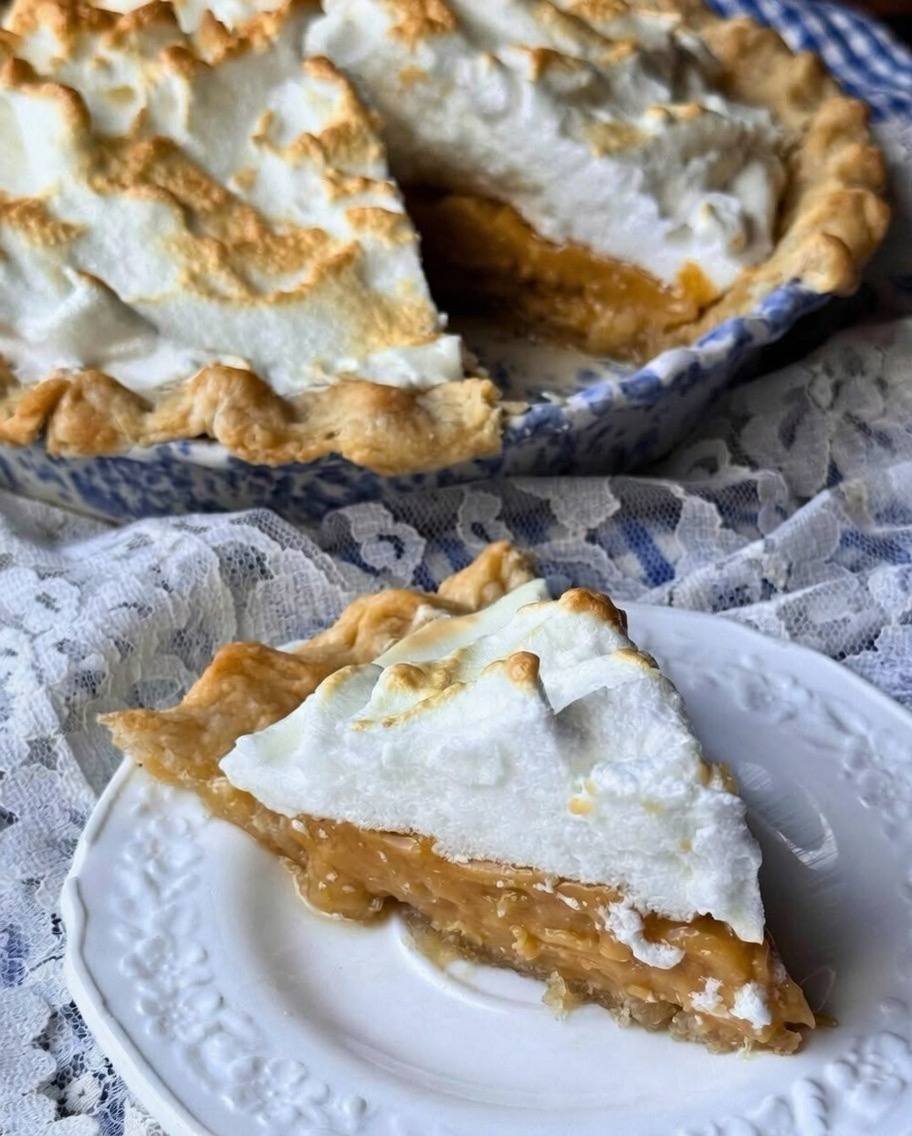
Step right up, sweet tooths and nostalgia seekers! Prepare to be transported back to Grandma’s kitchen with a slice of pure, unadulterated comfort: Old Fashioned Butterscotch Pie. This isn’t just a dessert; it’s a warm, sweet hug in pie form, a timeless classic that evokes memories of simpler times and delicious homemade goodness. Imagine a rich, caramel-like butterscotch filling, nestled in a perfectly flaky crust, all crowned with a cloud of impossibly fluffy, golden-toasted meringue. Sound heavenly? It absolutely is.
Butterscotch pie holds a special place in the pantheon of classic American desserts. Its deep, caramelized sugar flavor, combined with the creamy texture of a perfectly cooked custard, makes it utterly irresistible. This “old-fashioned” recipe emphasizes the traditional techniques and ingredients that make this pie so beloved: a velvety, slow-cooked filling, a sturdy yet tender crust, and that iconic, mile-high meringue that adds both visual appeal and a delightful textural contrast. Forget complicated concoctions; this recipe celebrates the beauty of simple, quality ingredients transformed into something truly extraordinary.
While some might shy away from pies, especially those with meringue, I promise you that the satisfaction of creating this masterpiece from scratch is well worth the effort. Each component, from the buttery crust to the luscious filling and the ethereal meringue, plays a crucial role in delivering a harmonious symphony of flavors and textures. This recipe will guide you through every step, ensuring that even a novice baker can achieve a stunning and delicious Old Fashioned Butterscotch Pie that will have everyone clamoring for seconds. Get ready to bake a little bit of history!
Nutritional Information
Per serving (approximate values):
- Calories: 450
- Protein: 8g
- Carbohydrates: 60g
- Fat: 20g
- Fiber: 1g
- Sodium: 250mg
Ingredients
- For the Flaky Pie Crust:
- 1 ¼ cups all-purpose flour
- ½ teaspoon salt
- ½ cup (1 stick) unsalted butter, very cold and cut into ½-inch cubes
- ¼ cup ice water, plus more if needed
- For the Velvety Butterscotch Filling:
- ½ cup (1 stick) unsalted butter
- 1 cup packed light brown sugar
- ¼ cup all-purpose flour
- ¼ teaspoon salt
- 2 cups whole milk
- 4 large egg yolks
- 1 teaspoon vanilla extract
- For the Mile-High Meringue Topping:
- 4 large egg whites
- ½ teaspoon cream of tartar
- ½ cup granulated sugar
- ½ teaspoon vanilla extract
Instructions
- Prepare the Pie Crust:
- In a large bowl, whisk together the flour and salt.
- Add the cold butter cubes to the flour mixture. Using a pastry blender, your fingertips, or a food processor, cut the butter into the flour until the mixture resembles coarse crumbs with some pea-sized pieces of butter remaining.
- Gradually add the ice water, one tablespoon at a time, mixing until the dough just comes together. Be careful not to overmix.
- Form the dough into a disc, wrap tightly in plastic wrap, and refrigerate for at least 30 minutes.
- On a lightly floured surface, roll out the chilled dough into a 12-inch circle. Carefully transfer the dough to a 9-inch pie plate. Trim and crimp the edges decoratively.
- Prick the bottom and sides of the crust with a fork. Line the crust with parchment paper and fill with pie weights or dried beans.
- Preheat oven to 375°F (190°C). Bake the crust for 15 minutes. Remove the parchment paper and weights, then bake for another 5-7 minutes, or until lightly golden. Remove from oven and set aside to cool slightly while you prepare the filling. Reduce oven temperature to 350°F (175°C).
- Make the Butterscotch Filling:
- In a medium saucepan over medium heat, melt the ½ cup butter. Add the brown sugar and cook, stirring constantly, until the sugar is dissolved and the mixture is bubbly, about 2-3 minutes.
- Whisk in the ¼ cup flour and ¼ teaspoon salt. Cook for 1 minute, stirring, to cook out the raw flour taste.
- Gradually whisk in the whole milk until smooth. Bring the mixture to a gentle simmer, stirring constantly, and cook until thickened, about 5-7 minutes. It should be thick enough to coat the back of a spoon.
- In a separate small bowl, whisk the egg yolks until smooth. To temper the egg yolks, slowly drizzle about ½ cup of the hot milk mixture into the egg yolks, whisking constantly. This prevents the eggs from scrambling.
- Pour the tempered egg yolk mixture back into the saucepan with the remaining hot milk mixture. Continue to cook over medium-low heat, stirring constantly, for another 2-3 minutes, until the filling is very thick and bubbly. Do not boil vigorously.
- Remove the saucepan from the heat and stir in the 1 teaspoon vanilla extract.
- Pour the hot butterscotch filling into the pre-baked pie crust. Spread evenly.
- Whip the Meringue:
- In a clean, dry stand mixer bowl (or a large bowl with a hand mixer), add the egg whites and cream of tartar. Beat on medium speed until soft peaks form.
- Gradually add the ½ cup granulated sugar, about one tablespoon at a time, while continuing to beat on medium-high speed.
- Continue beating until the meringue is glossy, thick, and forms stiff peaks (when you lift the beaters, the peaks should stand straight up). Beat in the ½ teaspoon vanilla extract.
- Bake (or Toast) the Meringue:
- Carefully spread the meringue over the hot butterscotch filling, making sure to spread it all the way to the edges of the crust to seal it. Create decorative swirls and peaks with the back of a spoon or spatula.
- Bake in the preheated 350°F (175°C) oven for 12-15 minutes, or until the meringue is beautifully golden brown on the peaks.
- Cool and Serve:
- Remove the pie from the oven and place it on a wire rack to cool completely. This is crucial for the filling to set properly. It will take at least 3-4 hours, or preferably overnight, at room temperature.
- Once completely cooled and set, slice and serve.
Cooking Tips and Variations
For the flakiest pie crust, ensure all your ingredients, especially the butter and water, are as cold as possible. Chilling the dough twice (once after mixing, once in the pie plate) helps prevent shrinking during baking. If your crust shrinks, try adding a little vodka to your ice water; the alcohol evaporates, leaving a tender crust without adding extra moisture. To prevent a soggy bottom, always blind bake your crust thoroughly until it’s light golden, not just set. Make sure to prick the bottom well to prevent air bubbles.
When making the butterscotch filling, constant stirring is key to prevent scorching and ensure a smooth, lump-free custard. Don’t rush the thickening process; it needs to reach a true simmer and coat the back of a spoon. Tempering the egg yolks is a non-negotiable step to avoid scrambled eggs in your filling. Slowly drizzle the hot mixture into the yolks while whisking vigorously, then return the warmed yolks to the pot. A pinch of sea salt in the filling can really enhance the butterscotch flavor, bringing out its complexities. For a richer filling, you can substitute half of the milk with heavy cream.
Meringue can be finicky, but a few tricks will ensure success. Use absolutely clean, dry bowls and beaters; any trace of fat (even from egg yolk) will prevent the egg whites from whipping properly. Room temperature egg whites whip up with more volume, so separate your eggs when cold, then let the whites sit out for 30 minutes. Add the sugar gradually, ensuring it fully dissolves as you beat, which creates a stable, glossy meringue. Spreading the meringue over a hot (not just warm) filling helps create a seal that can prevent “weeping,” where moisture seeps out from under the meringue. For a perfectly golden top without overbaking, keep a close eye on it in the oven or use a kitchen torch for more control. For a slightly different flavor profile, you could try adding a hint of rum extract to the butterscotch filling.
Storage and Reheating
Old Fashioned Butterscotch Pie with meringue is best enjoyed the day it’s made, or within 24 hours. The meringue tends to weep or become sticky when refrigerated for extended periods. If you must store it, cover loosely with foil or plastic wrap (without touching the meringue) and refrigerate for up to 2-3 days. The crust may soften slightly after the first day. This pie does not reheat well, as warming will cause the meringue to deflate and the filling to become less firm. It’s truly a dessert meant to be savored cold or at room temperature after it has fully set.
Frequently Asked Questions
Why did my meringue weep or get watery?
Meringue weeping, where a layer of moisture forms between the meringue and the filling, is a common issue. It’s often caused by not cooking the meringue enough (sugar didn’t dissolve properly), spreading it over a filling that wasn’t hot enough (preventing a good seal), or refrigerating the pie for too long. Ensure your sugar is fully dissolved when whipping, spread the meringue immediately over the hot filling, and avoid prolonged refrigeration.
How can I prevent my pie crust from getting soggy?
A soggy crust is a common pie nemesis, especially with custard fillings. The key is thorough blind baking. Make sure to bake the crust with pie weights until it’s set and dry, then remove the weights and bake for a few more minutes until it’s lightly golden. This creates a barrier against the moist filling. Also, ensuring the filling is thick enough and allowing the pie to cool completely before slicing helps the filling set and prevents it from soaking into the crust.
Can I make this pie without the meringue?
Absolutely! While the meringue is a classic component of Old Fashioned Butterscotch Pie, you can certainly omit it. If you prefer, you can top the cooled pie with freshly whipped cream just before serving, or simply enjoy the creamy butterscotch filling as is. If skipping the meringue, the baking time for the pie after the filling is added is not needed, as the filling is cooked on the stovetop.