Instructions
- Prepare the Vegetables: Begin by thoroughly washing all your vegetables. Using a sharp knife or a mandoline, thinly shred the cabbage. Aim for consistent, fine strands. Thinly slice the cucumbers, carrots, and red onion. If using, thinly slice the red bell pepper. Place all the prepared vegetables in a very large non-reactive bowl or pot.
- Make the Brine: In a medium saucepan, combine the apple cider vinegar, granulated sugar, water, and kosher salt. Add the black peppercorns, celery seeds, and mustard seeds (if using). Bring the mixture to a boil over medium-high heat, stirring occasionally, until the sugar and salt are completely dissolved. Once dissolved, remove the brine from the heat.
- Combine Vegetables and Brine: Carefully pour the hot brine over the prepared vegetables in the large bowl. Ensure all the vegetables are submerged. You may need to press them down gently with a spoon or plate to keep them under the liquid. The hot brine will help to slightly soften the vegetables and allow them to absorb the flavors more quickly.
- Cool and Marinate: Allow the salad to cool to room temperature on your countertop. Once cooled, stir in the fresh dill, if using. Cover the bowl tightly with plastic wrap and transfer it to the refrigerator. Allow the salad to marinate for at least 4-6 hours, or ideally overnight, for the flavors to fully meld and the vegetables to become tender-crisp.
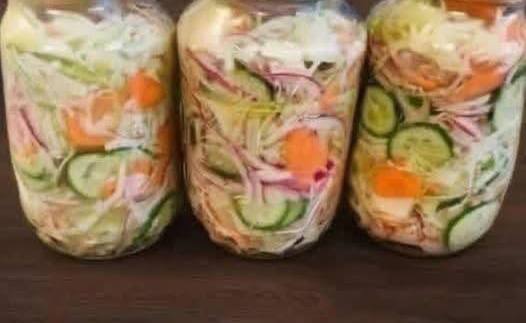
- Store in Jars: Once properly marinated, the salad is ready to be transferred to clean, sterilized glass jars for storage. Pack the vegetables tightly into the jars, ensuring they are fully covered with the brine. Seal the jars with lids.
- Serve Chilled: This salad is best served chilled. Use a slotted spoon to serve, allowing any excess brine to drain.
Cooking Tips and Variations
For the best results, always start with the freshest possible vegetables. The crispness of the cabbage and cucumbers is key to the salad’s texture. When shredding cabbage, a mandoline slicer will give you the most uniform and thin pieces, which absorb the brine more effectively. If you don’t have one, a very sharp chef’s knife and a steady hand will work just as well. Don’t be afraid to adjust the sweetness and tanginess of the brine to your personal preference; some prefer a sweeter salad, while others enjoy a more pronounced vinegar kick. Taste the brine after the sugar and salt have dissolved and adjust before pouring it over the vegetables.
For variations, consider adding other sturdy vegetables like thinly sliced green bell pepper, daikon radish for an extra peppery bite, or even a handful of finely chopped fresh parsley for more herbaceous notes. A pinch of red pepper flakes can introduce a subtle heat, perfect for those who enjoy a little spice. For a modern twist, a tablespoon of sesame oil added to the brine just before cooling can impart an unexpected, delicious Asian-inspired flavor profile. You can also experiment with different vinegars; rice vinegar will yield a milder, slightly sweeter brine, while white wine vinegar offers a fruitier tang. If you want to make it a heartier side dish, some people like to add cooked chickpeas or kidney beans after the marinating process, though this departs from the traditional Depression-era focus on vegetables.
Storage and Reheating
This Old-Fashioned Jewish Depression-Era Salad is designed for excellent longevity, a crucial aspect during its historical origins. Once prepared and transferred to clean, airtight glass jars, it can be stored in the refrigerator for up to 2-3 weeks. The vinegar-based brine acts as a natural preservative, keeping the vegetables crisp and flavorful. Ensure that the vegetables remain fully submerged in the brine during storage to prevent spoilage and maintain optimal texture. If any vegetables float above the brine, gently press them down or add a little more fresh brine if necessary.
Reheating is generally not recommended for this type of salad, as its appeal lies in its refreshing, crisp, and chilled state. Heating the salad would cause the vegetables to soften considerably, losing their desired texture, and would diminish the vibrant, tangy flavor profile. This salad is always best served cold, straight from the refrigerator. Simply open a jar, use a slotted spoon to portion out the desired amount, and enjoy. If you find the vegetables have become too soft over time, they can still be enjoyed, but the initial crispness will be diminished. For best texture, aim to consume it within the first week of preparation.
Frequently Asked Questions
What is the historical significance of this salad?
This salad originated during the Great Depression, a time of severe economic hardship. It reflects the resourcefulness of Jewish families and others who needed to stretch their food budgets and preserve seasonal produce. Using inexpensive, readily available vegetables like cabbage and a simple vinegar brine allowed them to create a nutritious, flavorful, and long-lasting dish that could feed many.
Can I use different vegetables in this recipe?
Absolutely! The beauty of a Depression-era recipe is its adaptability. While cabbage, carrots, cucumbers, and onions are traditional, you can certainly experiment with other sturdy vegetables. Green bell peppers, thinly sliced radishes, or even blanched green beans could be interesting additions. Just ensure they are cut thinly enough to absorb the brine effectively and have a similar texture profile.
How long does the salad need to marinate for the best flavor?
While the salad is edible after a few hours of marinating, for the absolute best flavor and texture, it’s highly recommended to let it marinate overnight, or for a minimum of 12-24 hours. This extended period allows the vegetables to fully absorb the tangy, sweet, and savory notes of the brine, resulting in a more complex and harmonious taste. The vegetables also achieve that perfect tender-crisp texture.
Is this salad suitable for canning or long-term preservation outside the refrigerator?
No, this particular recipe is not designed for traditional canning methods that allow for shelf-stable storage outside the refrigerator. While the brine helps preserve the vegetables, it typically doesn’t contain enough acidity or undergo the specific heat processing required for safe, long-term canning. This recipe is meant for refrigerated storage, where it will last for several weeks. If you are interested in canning, always consult reliable, tested canning recipes and guidelines to ensure food safety.