Introduction
There are few things as comforting and universally loved as a classic peanut butter cookie. Just the mention of them conjures up images of childhood kitchens, the irresistible aroma of baking, and that perfect balance of sweet and salty. These aren’t just any cookies; they are a timeless staple, cherished for their distinct flavor, delightful texture, and the iconic crisscross pattern that makes them instantly recognizable. Whether you’re a seasoned baker or just starting your culinary journey, the peanut butter cookie is a rewarding treat that promises pure satisfaction with every bite.
What makes these particular peanut butter cookies truly special? It’s the delightful interplay of textures and the rich, unmistakable taste of roasted peanuts. The edges bake up to a delicate crispness, giving way to a wonderfully chewy and slightly crumbly center that melts in your mouth. Each cookie is packed with that deep, earthy peanut flavor, perfectly complemented by just the right amount of sweetness. Plus, they are surprisingly easy to make, relying on simple pantry staples that transform into golden-brown discs of pure joy. Get ready to fill your home with an aroma that will have everyone eagerly awaiting the first batch!
From their humble beginnings, peanut butter cookies have secured their place in the pantheon of beloved homemade desserts. They are the ultimate comfort food, a perfect companion to a cold glass of milk, a warm cup of coffee, or even a scoop of vanilla ice cream. This recipe celebrates everything that makes them a classic: straightforward preparation, wholesome ingredients, and an end result that is consistently delicious. Prepare to bake a batch that will bring smiles to faces and warmth to hearts, proving once again that sometimes, the simplest pleasures are the most profound.
Nutritional Information
Per serving (approximate values):
- Calories: 220
- Protein: 5g
- Carbohydrates: 25g
- Fat: 12g
- Fiber: 2g
- Sodium: 150mg
Ingredients
- 1 cup (2 sticks) unsalted butter, softened to room temperature
- 1 cup granulated sugar
- 1 cup packed light brown sugar
- 1 cup creamy peanut butter (good quality, conventional style works best)
- 2 large eggs, room temperature
- 1 teaspoon vanilla extract
- 2 ½ cups all-purpose flour
- 1 teaspoon baking soda
- ½ teaspoon salt
- Extra granulated sugar for rolling (about ¼ cup)
Instructions
- Preheat your oven to 375°F (190°C). Line two large baking sheets with parchment paper. This will prevent sticking and make cleanup a breeze.
- In a large mixing bowl, using an electric mixer on medium speed, cream together the softened butter, granulated sugar, and brown sugar until the mixture is light, fluffy, and pale in color. This usually takes about 2-3 minutes. Scrape down the sides of the bowl as needed to ensure everything is well combined.
- Add the creamy peanut butter to the butter and sugar mixture. Beat on medium speed until fully incorporated and smooth. This will give the dough its characteristic peanut flavor and texture.
- Crack the two large eggs into the bowl, one at a time, beating well after each addition. Stir in the vanilla extract. Continue to beat until the mixture is cohesive and creamy.
- In a separate medium bowl, whisk together the all-purpose flour, baking soda, and salt. This ensures that the leavening agents and salt are evenly distributed throughout the dry ingredients.
- Gradually add the dry ingredients to the wet ingredients, mixing on low speed until just combined. Be careful not to overmix the dough, as this can lead to tough cookies. Stop mixing as soon as no streaks of flour are visible. The dough will be thick and somewhat firm.
- Place the extra granulated sugar for rolling in a small, shallow bowl.
- Scoop the dough using a tablespoon or a small cookie scoop (about 1.5 tablespoons per cookie). Roll each portion of dough into a smooth ball between the palms of your hands.
- Gently roll each dough ball in the bowl of granulated sugar, coating it evenly. This adds a little extra sparkle and crunch to the finished cookies.
- Place the sugar-coated dough balls onto the prepared baking sheets, spacing them about 2 inches apart. You should be able to fit about 12 cookies per sheet.
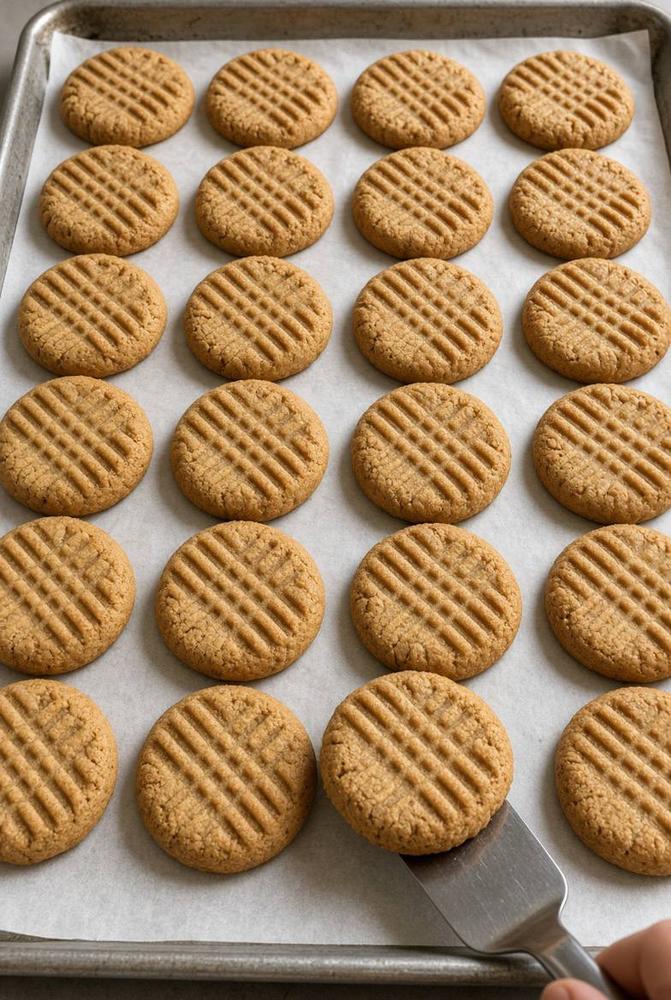
- Using the tines of a fork, gently press down on each cookie dough ball, first in one direction to flatten it slightly, and then again perpendicular to the first press, creating the classic crisscross pattern. This not only adds visual appeal but also helps the cookies bake evenly and prevents them from spreading too much. If the fork sticks, dip it lightly in flour between cookies.
- Bake the cookies in the preheated oven for 10-12 minutes, or until the edges are lightly golden brown and set, but the centers still look slightly soft. Remember that cookies continue to cook for a few minutes after they are removed from the oven.
- Once baked, remove the baking sheets from the oven and let the cookies cool on the sheets for 5-7 minutes. This allows them to set up and become firm enough to handle without breaking.
- Carefully transfer the cooled cookies to a wire rack to cool completely. Enjoy them warm or at room temperature.
Cooking Tips and Variations
For the absolute best peanut butter cookies, pay attention to the details. Ensure your butter and eggs are at room temperature; this allows them to cream together more smoothly with the sugars, resulting in a lighter, more evenly textured dough. When mixing the dry ingredients into the wet, resist the urge to overmix. Overworking the dough develops the gluten in the flour too much, which can lead to tough, dense cookies instead of the desirable chewy and crumbly texture. Mix only until the flour streaks disappear. The iconic fork marks are not just for aesthetics; they help flatten the cookie dough balls, ensuring they bake evenly and don’t spread into flat puddles. If your fork tends to stick to the dough, a quick dip in flour between each cookie will solve the problem. Finally, keep a close eye on your oven! Ovens can vary, so watch for those golden-brown edges and a slightly soft center, as the cookies will continue to firm up as they cool on the hot baking sheet.
If you’re looking to put a spin on this classic, there are plenty of delicious variations to try. For an extra layer of indulgence, fold in 1 cup of chocolate chips (milk, semi-sweet, or dark) during the last stage of mixing the dough. The combination of peanut butter and chocolate is always a winner! You can also experiment with different types of nut butters, though be aware that natural or less processed nut butters might alter the texture slightly, often resulting in a more crumbly cookie due to their higher oil content. For a richer, deeper flavor, consider using half brown sugar and half granulated sugar for rolling the cookie dough balls. For a touch of spice, a pinch of cinnamon or nutmeg can be added to the dry ingredients. And if you’re feeling adventurous, a sprinkle of flaky sea salt on top of the cookies just before baking can elevate the flavor profile, balancing the sweetness with a delightful savory note.
Storage and Reheating
To maintain their freshness and delightful texture, it’s crucial to store your peanut butter cookies properly. Once completely cooled, transfer the cookies to an airtight container. They will stay fresh at room temperature for up to 5-7 days. To prevent them from sticking together, especially if they are still slightly soft, you can place a piece of parchment paper between layers of cookies. If you live in a particularly humid environment, adding a slice of bread to the container can help keep them soft by absorbing excess moisture, but be sure to replace the bread every couple of days.
For longer storage, peanut butter cookies freeze exceptionally well. Once cooled, place them in a single layer on a baking sheet and freeze until solid, about 1-2 hours. Then, transfer the frozen cookies to a freezer-safe airtight container or heavy-duty freezer bag, again using parchment paper between layers if desired. They will keep in the freezer for up to 3 months. When you’re ready to enjoy them, simply thaw them at room temperature for a few hours. There’s generally no need to reheat them, as they are delicious at room temperature or even slightly chilled. However, if you prefer a warm, just-baked experience, you can pop a cookie into the microwave for 10-15 seconds, or warm them in a preheated oven at 250°F (120°C) for 5 minutes. Be careful not to overheat, as this can dry them out.
Frequently Asked Questions
Why do my peanut butter cookies spread too much?
Several factors can cause cookies to spread excessively. Ensure your butter isn’t too soft or melted; it should be softened but still hold its shape. Chilling your dough for at least 30 minutes before baking can also help prevent spreading, especially if your kitchen is warm. Additionally, using too much leavening agent (like baking soda) or not enough flour can contribute to spreading. Make sure to measure your ingredients accurately, especially the flour.
What’s the best type of peanut butter to use for these cookies?
For a classic, consistent texture, creamy, conventional peanut butter (like Jif or Skippy) is usually recommended. These types of peanut butter contain stabilizers that help the cookies hold their shape and achieve that signature chewy-crumbly texture. Natural peanut butter, which often separates and has a higher oil content, can result in a more crumbly, sometimes drier cookie. If using natural peanut butter, you might need to adjust the flour slightly or chill the dough for longer.
Can I make the dough ahead of time?
Absolutely! Peanut butter cookie dough is excellent for making ahead. You can prepare the dough, wrap it tightly in plastic wrap, and refrigerate it for up to 3-4 days. When you’re ready to bake, let the dough sit at room temperature for about 15-20 minutes to soften slightly, then scoop, roll, and bake as directed. You can also freeze the dough balls for up to 3 months. Simply scoop and roll the dough into balls, then freeze them on a baking sheet until solid before transferring to a freezer bag. Bake from frozen, adding a minute or two to the baking time.
Why do peanut butter cookies have the crisscross pattern?
The iconic crisscross pattern is more than just a decorative touch; it serves a practical purpose. Peanut butter cookie dough is often dense and doesn’t spread as much as other cookie doughs during baking. Pressing the fork into the dough flattens the cookie, ensuring more even baking and preventing it from becoming a round, unbaked lump in the center. It also helps with heat distribution, allowing the cookies to cook through properly and achieve that perfect texture.