Introduction
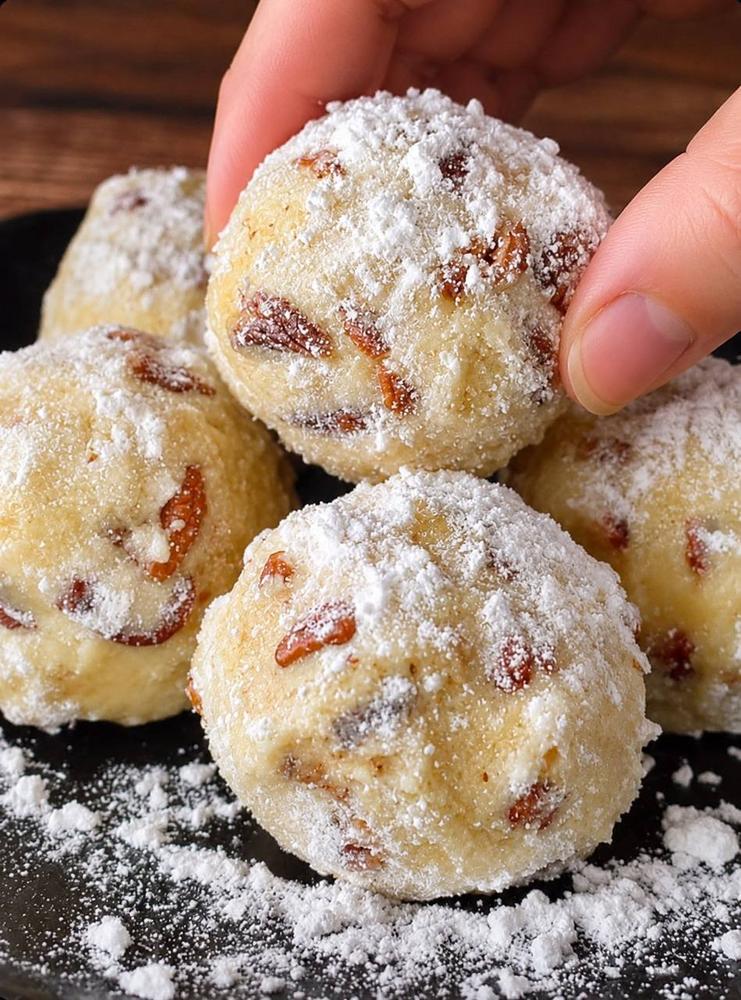
There’s something undeniably magical about a cookie that conjures images of freshly fallen snow and cozy winter evenings. Pecan Snowball Cookies, often known by delightful names like Russian Tea Cakes or Mexican Wedding Cookies, are precisely that kind of treat. These delightful little morsels are a beloved classic, gracing holiday tables, cookie exchanges, and gift baskets with their charming, frosted appearance and irresistible melt-in-your-mouth texture. Their popularity stems from a perfect trifecta: elegant simplicity, incredible flavor, and a nostalgic charm that transports you back to simpler times with every bite. Imagine a cookie that looks like a delicate, powdered sugar cloud, yet holds a secret within – a rich, buttery shortbread base studded with fragrant, toasted pecans.
What makes our Pecan Snowball Cookies truly special is the star ingredient: the pecan. While many variations exist, the distinctively buttery and slightly sweet flavor of pecans elevates these cookies from merely good to absolutely extraordinary. When finely chopped and folded into the dough, they provide a subtle crunch and a depth of nutty flavor that perfectly complements the rich butter and delicate sweetness of the powdered sugar coating. The signature “snowball” effect is achieved by generously rolling the warm, freshly baked cookies in confectioners’ sugar, which creates a thick, snowy crust that adheres beautifully. This initial roll, followed by a second dusting once cooled, ensures every cookie is thoroughly blanketed in sweet, powdery goodness, making them not just a treat for the taste buds, but a feast for the eyes as well.
These cookies are more than just a recipe; they’re an experience. They’re the perfect accompaniment to a warm cup of tea or coffee, a delightful addition to any festive gathering, and an ideal homemade gift that speaks volumes of warmth and care. Whether you’re a seasoned baker or just starting your culinary journey, these Pecan Snowball Cookies are incredibly forgiving and rewarding to make. The simple ingredients and straightforward steps yield a truly exquisite result – a tender, crumbly cookie that literally melts in your mouth, leaving behind the comforting taste of butter and toasted pecans. Get ready to fill your home with the intoxicating aroma of baking and create a batch of these enchanting snowballs that are sure to become a cherished tradition in your own kitchen.
Nutritional Information
Per serving (approximate values):
- Calories: 120
- Protein: 1g
- Carbohydrates: 12g
- Fat: 8g
- Fiber: 1g
- Sodium: 40mg
Ingredients
- 1 cup (2 sticks) unsalted butter, softened to room temperature
- 1/2 cup powdered sugar (for the dough)
- 1 teaspoon vanilla extract
- 2 cups all-purpose flour
- 1 cup finely chopped pecans, lightly toasted
- 1/2 teaspoon salt
- 1 1/2 cups powdered sugar (for coating)
Instructions
- Prepare the Pecans: Preheat your oven to 300°F (150°C). Spread the chopped pecans in a single layer on a baking sheet. Toast for 7-10 minutes, stirring once halfway through, until fragrant and lightly golden. Be careful not to burn them. Remove from oven and let cool completely. Once cool, ensure they are finely chopped; smaller pieces integrate better into the dough and prevent crumbling.
- Cream Butter and Sugar: In a large mixing bowl, using an electric mixer, cream together the softened unsalted butter and 1/2 cup powdered sugar on medium speed until light and fluffy, about 2-3 minutes. Scrape down the sides of the bowl as needed to ensure everything is well combined.
- Add Vanilla: Beat in the vanilla extract until just incorporated.
- Combine Dry Ingredients: In a separate medium bowl, whisk together the all-purpose flour and salt.
- Incorporate Dry Ingredients into Wet: Gradually add the dry ingredient mixture to the wet mixture, beating on low speed until just combined and a soft dough forms. Do not overmix.
- Fold in Pecans: Gently fold in the cooled, finely chopped pecans until evenly distributed throughout the dough.
- Chill the Dough: Cover the bowl with plastic wrap and refrigerate the dough for at least 30 minutes. Chilling the dough is crucial as it helps firm up the butter, making the dough easier to handle and preventing the cookies from spreading too much during baking, ensuring they retain their classic round shape.
- Preheat Oven and Prepare Baking Sheets: While the dough chills, preheat your oven to 325°F (160°C). Line two baking sheets with parchment paper or silicone baking mats.
- Shape the Cookies: Remove the chilled dough from the refrigerator. Roll the dough into small, uniform balls, about 1-inch in diameter (roughly the size of a walnut). Place the shaped cookies about 1 inch apart on the prepared baking sheets.
- Bake the Cookies: Bake for 12-15 minutes, or until the edges are very lightly golden and the bottoms are just set. The cookies should still look pale on top. Do not overbake, as this will make them dry and crumbly instead of melt-in-your-mouth tender.
- First Powdered Sugar Roll (While Warm): While the cookies are still warm from the oven (but cool enough to handle), place the remaining 1 1/2 cups of powdered sugar in a shallow bowl. Gently roll each warm cookie in the powdered sugar until thoroughly coated. The warmth of the cookies helps the sugar adhere and creates a delicious, slightly sticky outer layer.
- Cool Completely: Transfer the sugar-coated cookies to a wire rack to cool completely. This is an important step to allow the cookies to firm up and for the first layer of sugar to set.
- Second Powdered Sugar Roll (Once Cooled): Once the cookies are completely cool, roll them in the powdered sugar a second time. This double-rolling technique creates a thicker, more even, and truly “snowy” coating, giving them their characteristic pristine appearance. Serve and enjoy!
Cooking Tips and Variations
Tips for Success:
- Room Temperature Butter is Key: Ensure your butter is truly at room temperature. It should be soft enough to indent easily with your finger but not melted or greasy. This allows it to cream properly with the sugar, creating a light and airy base for your cookies.
- Don’t Skip Chilling the Dough: Chilling the dough is non-negotiable for these cookies. It solidifies the butter, making the dough less sticky and much easier to roll into perfect balls. More importantly, it prevents the cookies from spreading too much in the oven, ensuring they maintain their delightful round shape and tender texture.
- Finely Chop Pecans: For the best texture and to prevent the cookies from falling apart, make sure your pecans are finely chopped. You want small pieces that integrate smoothly into the dough, not large chunks. A food processor can be helpful for this, but be careful not to over-process into a paste.
- Toast Your Nuts: Toasting the pecans before adding them to the dough is a game-changer. It deepens their flavor, bringing out their inherent nuttiness and creating a more complex taste profile in the finished cookie. Just watch them carefully to avoid burning!
- Do Not Overbake: Pecan Snowball Cookies are meant to be pale and tender. Bake them until the bottoms are just barely golden and the tops still look soft and set. Overbaking will result in dry, crumbly cookies rather than the desired melt-in-your-mouth texture.
- The Double Roll for Maximum “Snow”: The secret to that beautifully thick, snowy coating is the double roll. The first roll while warm allows the sugar to adhere and slightly melt onto the cookie, creating a base. The second roll, once the cookies are completely cool, adds that fresh, pristine layer of powdered sugar that gives them their iconic look.
- Measure Flour Correctly: For consistent results, spoon your flour into the measuring cup and then level it off with a straight edge. Scooping directly from the bag can compact the flour, leading to too much flour and a dry, tough cookie.
Variations & Substitutions:
- Nut Alternatives: If pecans aren’t your preference or you have them on hand, feel free to substitute with other finely chopped nuts. Walnuts, almonds, or even hazelnuts would work wonderfully, each lending its own unique flavor profile. Remember to toast them for the best taste.
- Flavor Boosters:
- Almond Extract: For a different take, try replacing half of the vanilla extract with almond extract. The subtle almond flavor pairs beautifully with the buttery cookie and powdered sugar.
- Citrus Zest: Add 1-2 teaspoons of finely grated lemon or orange zest to the dough along with the vanilla. The citrus brightens the flavor and adds a lovely aromatic note.
- Spices: A pinch of ground cardamom or a tiny dash of cinnamon in the dough can add a warm, exotic twist, especially appealing for holiday baking.
- Coating Variations:
- Cinnamon Sugar: For a different sweet coating, mix 1/2 cup powdered sugar with 1-2 tablespoons of ground cinnamon. Roll the warm cookies in this mixture.
- Cocoa Powder Dust: For a chocolatey twist, mix 1/2 cup powdered sugar with 2-3 tablespoons of unsweetened cocoa powder. This creates a “muddy snowball” effect that’s quite delicious.
- Chocolate Drizzle: Instead of, or in addition to, the second roll in powdered sugar, you could drizzle cooled cookies with melted dark or white chocolate for an extra touch of decadence.
- Mini Snowballs: For a more delicate, bite-sized treat, roll the dough into smaller balls (about 3/4-inch). Adjust baking time slightly (reduce by 2-3 minutes) and keep an eye on them.
Storage and Reheating
Pecan Snowball Cookies are fantastic for making ahead and store very well, making them a perfect candidate for holiday baking or gift-giving.
- Room Temperature: Once completely cooled and coated, store the cookies in an airtight container at room temperature for up to 1 week. Placing a piece of parchment paper between layers can help prevent sticking and keep the powdered sugar coating pristine.
- Freezing Dough: You can prepare the dough ahead of time and freeze it. Wrap the dough tightly in plastic wrap, then place it in a freezer-safe bag or container. It will keep for up to 3 months. Thaw in the refrigerator overnight before rolling and baking.
- Freezing Baked Cookies: Baked and cooled cookies (preferably before the second powdered sugar roll, if possible, for best results) can also be frozen. Place them in a single layer on a baking sheet and freeze until solid. Then transfer them to an airtight freezer-safe container or bag, separating layers with parchment paper. They can be frozen for up to 3 months. Thaw at room temperature. Once thawed, you can give them a fresh roll in powdered sugar if desired.
- Reheating: These cookies are typically enjoyed at room temperature. There’s no need to “reheat” them in the traditional sense. If they’ve been chilled or frozen, simply let them come to room temperature before serving to allow their tender texture to return.
Frequently Asked Questions
Why are my snowball cookies crumbling too much?
Over-crumbling can be caused by several factors. You might have added too much flour to the dough, or the butter wasn’t soft enough when creamed, leading to a dry mixture. Also, overbaking the cookies will dry them out and make them excessively crumbly. Ensure you measure flour accurately, use room temperature butter, and bake only until the edges are very lightly golden and the tops are just set.
Can I make these cookies without nuts?
Absolutely! If you have a nut allergy or simply prefer a nut-free version, you can easily omit the pecans. The cookies will still have a wonderful buttery, melt-in-your-mouth texture, similar to a classic shortbread. You might consider adding a bit more vanilla extract or some citrus zest to the dough to enhance the flavor in the absence of nuts.
Why isn’t the powdered sugar sticking to my cookies?
The most common reason for powdered sugar not sticking is that the cookies were too cool during the first roll. The warmth of the freshly baked cookie is crucial for the sugar to slightly melt and adhere. If your cookies have cooled too much, you can try warming them slightly in a very low oven (turned off, using residual heat) for a minute or two before the first roll. Also, ensure you are rolling them generously and thoroughly, not just dusting.
Can I use salted butter instead of unsalted?
While unsalted butter is generally preferred for baking to control the salt content, you can use salted butter in a pinch. If you do, omit the 1/2 teaspoon of salt specified in the recipe. Keep in mind that the salt content in salted butter can vary between brands, so the final taste might be slightly different than intended, but it will still work.