Instructions
- In a large mixing bowl, combine the warm milk, 2 tablespoons of granulated sugar, and 2 teaspoons of instant yeast. Stir gently and let it sit for 5-10 minutes. This allows the yeast to “bloom,” indicating it’s active and ready to work. You should see a foamy layer form on the surface. If not, your yeast may be expired or the milk was too hot/cold, and you should start again.
- Once the yeast is active, add 2 tablespoons of vegetable oil and 3 cups of all-purpose flour to the bowl. Mix with a wooden spoon or a stand mixer with a dough hook attachment until a shaggy dough forms and most of the flour is incorporated.
- Turn the dough out onto a lightly floured surface and knead for 8-10 minutes. If using a stand mixer, knead on medium-low speed for 6-8 minutes. The dough should become smooth, elastic, and no longer sticky. It should spring back slowly when poked.
- Lightly grease a clean large bowl with a little vegetable oil. Place the kneaded dough in the bowl, turning it once to coat all sides. Cover the bowl tightly with plastic wrap or a clean kitchen towel.
- Allow the dough to rise in a warm, draft-free place for 1 to 1.5 hours, or until it has doubled in size. The exact time will depend on the temperature of your room.
- Once the dough has doubled, gently punch it down to release the air. Turn the dough out onto a lightly floured surface.
- Using a rolling pin, roll the dough out to an even thickness of about 1/4 inch (approximately 0.6 cm). Ensure the thickness is consistent for even frying.
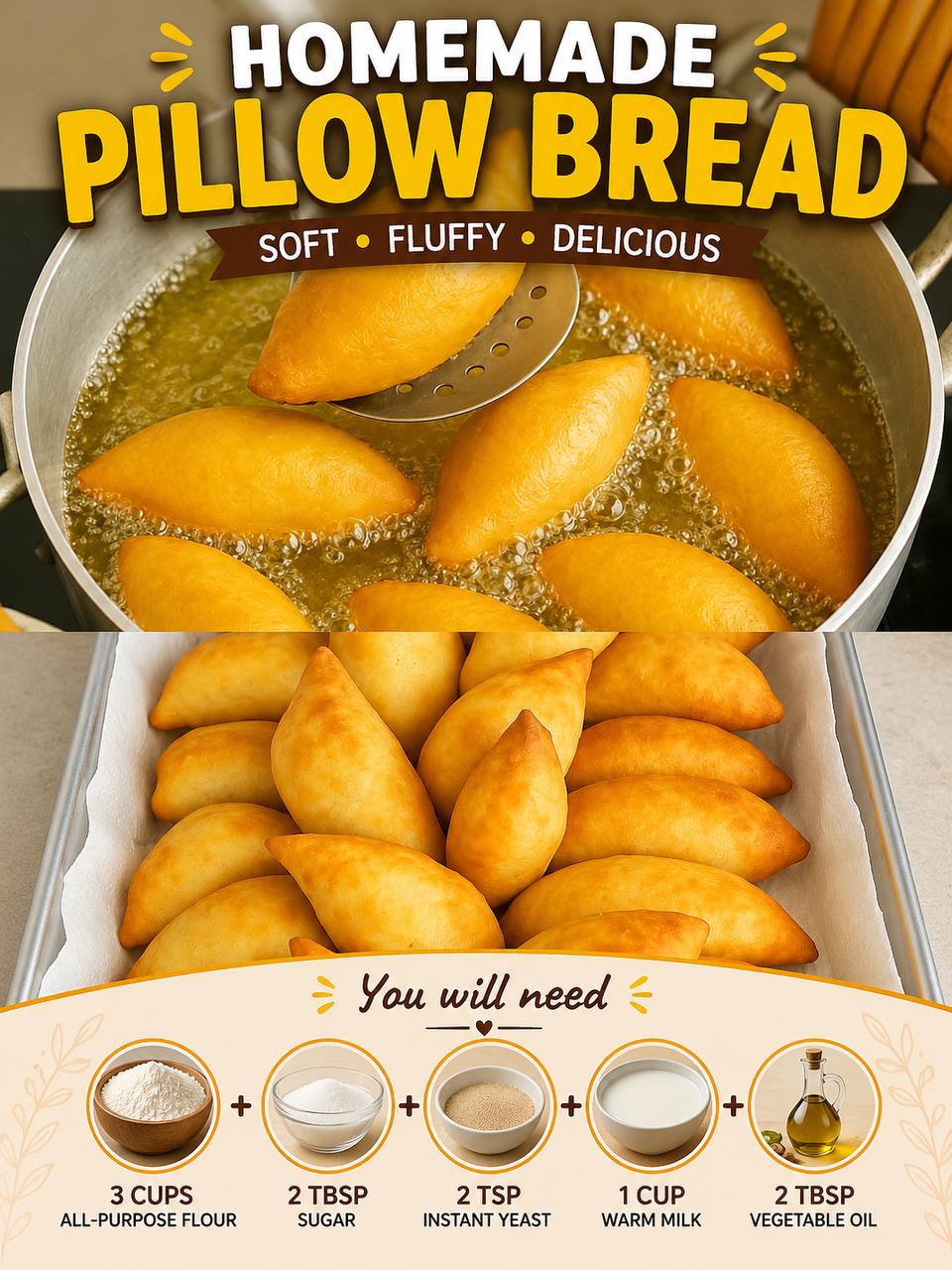
- Using a knife, pizza cutter, or a cookie cutter, cut the dough into your desired shapes. Ovals, rectangles, or teardrops work well and are visually appealing. The image shows oval/teardrop shapes. Avoid making them too small as they will puff up significantly.
- Arrange the cut dough pieces on a lightly floured baking sheet or parchment paper, ensuring they are not touching. Cover them loosely with plastic wrap or a clean kitchen towel and let them rest for another 15-20 minutes. This second rise, though brief, helps them become extra fluffy.
- While the dough is resting, prepare your frying station. Pour 4-6 cups of vegetable oil into a deep, heavy-bottomed pot or Dutch oven. The oil should be at least 2-3 inches deep. Heat the oil over medium-high heat to 350-375°F (175-190°C). If you don’t have a thermometer, you can test the oil by dropping a tiny piece of dough into it; if it sizzles and browns within 30-60 seconds, the oil is ready.
- Carefully place 2-3 pieces of the shaped dough into the hot oil, being careful not to overcrowd the pot. Overcrowding will lower the oil temperature, leading to greasy bread.
- Fry the pillow bread for 1-2 minutes per side, or until golden brown and beautifully puffed. Use tongs or a slotted spoon to flip them gently.
- Once golden brown on both sides, remove the fried pillow bread from the oil using a slotted spoon. Transfer them to a plate lined with paper towels to drain any excess oil.
- Repeat the frying process with the remaining dough, adjusting the heat as necessary to maintain a consistent oil temperature.
- Serve the Homemade Pillow Bread warm, dusted generously with powdered sugar, or with your favorite toppings.
Cooking Tips and Variations
Achieving perfectly soft and fluffy pillow bread hinges on a few key techniques. Firstly, the temperature of your warm milk is paramount for yeast activation; too hot will kill the yeast, too cold won’t activate it. Aim for a temperature that feels like a warm bath, around 105-115°F (40-46°C). When kneading the dough, resist the urge to add too much extra flour, even if it feels a bit sticky. A slightly sticky dough will yield a softer final product. Continue kneading until it’s smooth and elastic, as proper gluten development is crucial for that characteristic chew and rise. For the first rise, placing the covered bowl in a slightly warm oven (turned off, with just the pilot light on or a bowl of hot water inside) can create the ideal environment for the dough to double quickly and efficiently.
Oil temperature during frying is another critical factor. If the oil isn’t hot enough, the bread will absorb too much oil, becoming greasy and heavy. If it’s too hot, the outside will burn before the inside cooks through. A good thermometer is invaluable here, but if you don’t have one, a small piece of dough should sizzle immediately and turn golden in about 30-60 seconds. Fry in small batches to maintain the oil’s temperature and ensure even cooking. Don’t overcrowd the pot, as this will drop the oil temperature significantly. Once fried, always drain the pillow bread on paper towels to absorb any excess oil, helping to keep them light and non-greasy.
For variations, consider adding a pinch of salt to the dough to balance the sweetness, or incorporate warm spices like cardamom, nutmeg, or cinnamon for an aromatic twist. You could also experiment with different flours; while all-purpose works wonderfully, a small percentage of bread flour can add a bit more chew. For a more indulgent treat, consider making a simple glaze with powdered sugar and milk or lemon juice to drizzle over the warm bread. Savory variations are also possible: omit the sugar from the dough, add herbs like dried rosemary or thyme, and serve alongside stews, curries, or as a unique accompaniment to a breakfast spread with eggs and bacon. The versatility of this basic dough means your imagination is the only limit.
Storage and Reheating
Pillow bread, like most fried doughs, is best enjoyed fresh and warm, straight from the fryer. The texture is at its peak when the exterior is slightly crispy and the interior is incredibly soft and airy. However, if you find yourself with leftovers, they can be stored. Allow the pillow bread to cool completely to room temperature before storing. Place them in an airtight container at room temperature for up to 1-2 days. Storing them in the refrigerator is not recommended, as it can cause them to dry out and become stale more quickly.
When it comes to reheating, you want to bring back some of that initial warmth and softness without making them greasy or overly chewy. The best method for reheating pillow bread is in an oven or toaster oven. Preheat your oven to 300°F (150°C). Place the pillow bread on a baking sheet and heat for about 5-7 minutes, or until they are warmed through and have regained some of their softness. Be careful not to overheat them, as this can make them tough. An air fryer can also work wonders for reheating; set it to 300°F (150°C) and reheat for 2-3 minutes, checking frequently. Microwaving is generally not recommended, as it can make them rubbery and lose their delicate texture. While they won’t be exactly like fresh, these reheating methods will still provide a delicious and comforting experience.
Frequently Asked Questions
What if my yeast doesn’t foam?
If your yeast doesn’t foam after 5-10 minutes in warm milk and sugar, it means it’s likely inactive. This could be due to the milk being too hot (which kills the yeast) or too cold (which doesn’t activate it), or because the yeast is old and no longer viable. You’ll need to discard the mixture and start again with fresh yeast and properly tempered warm milk (around 105-115°F / 40-46°C).
Can I make the dough ahead of time?
Yes, you can prepare the dough in advance. After the first rise, punch down the dough, place it in a lightly oiled bowl, cover it tightly with plastic wrap, and refrigerate it for up to 24 hours. When you’re ready to fry, take the dough out of the refrigerator and let it come to room temperature for about 30-60 minutes before rolling it out and shaping it. This slow fermentation can even enhance the flavor.
How do I know the oil temperature is correct without a thermometer?
If you don’t have a thermometer, you can test the oil temperature by dropping a small pinch of dough (about the size of a pea) into the hot oil. If the dough immediately sizzles and floats to the surface, turning golden brown within 30-60 seconds, the oil is ready. If it sinks and doesn’t sizzle, the oil isn’t hot enough. If it browns too quickly, the oil is too hot and needs to cool down slightly.
Why did my pillow bread turn out greasy?
Greasy pillow bread is typically a result of the frying oil not being hot enough. When the oil temperature is too low, the dough absorbs more oil rather than cooking quickly on the surface. Ensure your oil is consistently at 350-375°F (175-190°C) throughout the frying process. Also, avoid overcrowding the pot, as this can cause the oil temperature to drop significantly. Draining the fried bread on paper towels immediately after removing them from the oil also helps absorb excess grease.