Instructions
- Preheat your oven to 400°F (200°C). If you have a large, heavy-duty baking sheet, place it in the oven while it preheats to get it nice and hot. This helps achieve crispier potatoes.
- Prepare the potatoes: In a large bowl, combine the cubed potatoes with 1/4 cup olive oil, dried rosemary, dried thyme, garlic powder, 1 teaspoon salt, and 1/2 teaspoon black pepper. Toss well to ensure all potato pieces are evenly coated.
- Roast the potatoes: Carefully remove the hot baking sheet from the oven. Spread the seasoned potatoes in a single layer on the hot baking sheet. Ensure they are not overcrowded; use two baking sheets if necessary to maintain a single layer. Roast for 20 minutes.
- Meanwhile, caramelize the onions: While the potatoes are roasting, heat 2 tablespoons of olive oil in a large, heavy-bottomed skillet or Dutch oven over medium-low heat. Add the thinly sliced onions.
- Cook the onions slowly: Cook the onions, stirring occasionally, for 30-45 minutes, or until they are deeply golden brown, very soft, and sweet. This process requires patience; resist the urge to rush it by increasing the heat, as this will burn the onions rather than caramelize them. If the pan gets too dry or onions start to stick, add a tablespoon of water or vegetable broth.
- Deglaze (optional): Once the onions are caramelized, if desired, add 1 tablespoon of balsamic vinegar to the pan. Stir well, scraping up any browned bits from the bottom of the pan. Cook for another 1-2 minutes until the vinegar has evaporated and been absorbed by the onions.
- Combine and finish roasting: After the potatoes have roasted for 20 minutes, carefully remove them from the oven. Add the caramelized onions to the baking sheet with the potatoes. Gently toss everything together.
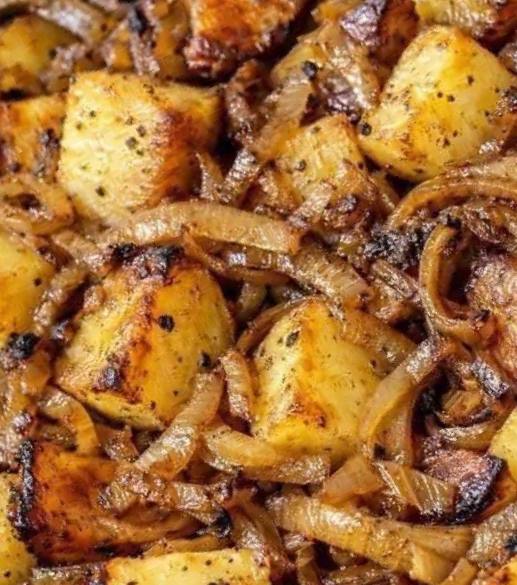
- Continue roasting: Return the baking sheet to the oven and continue to roast for another 20-30 minutes, or until the potatoes are tender on the inside and beautifully crispy and golden brown on the outside. Stir once halfway through this final roasting period to ensure even browning.
- Serve: Remove from the oven, taste, and adjust seasoning if necessary. Garnish with fresh chopped parsley before serving.
Cooking Tips and Variations
Achieving the perfect balance of crispy potatoes and sweet, tender caramelized onions is easily within reach with a few expert tips. First and foremost for those glorious crispy potatoes, moisture is the enemy. After cutting your potatoes, give them a good rinse under cold water to remove excess starch. Then, and this is crucial, dry them thoroughly with a clean kitchen towel or paper towels. The drier they are going into the oven, the crispier they’ll become. Additionally, preheating your baking sheet in the oven while it comes to temperature provides an immediate sizzle when the potatoes hit the hot surface, kick-starting the browning process and leading to a superior crust. Don’t overcrowd the pan; potatoes need space to roast, not steam. If your baking sheet is too full, use two to ensure a single, even layer.
For the caramelized onions, patience is your best friend. This is not a quick process, and trying to rush it by cranking up the heat will only result in burnt, bitter onions. Keep the heat on medium-low and allow the natural sugars to slowly develop over 30-45 minutes. Stir them frequently, but not constantly, allowing them to gently brown before turning. If they start to stick to the bottom of the pan, add a small splash of water or vegetable broth to deglaze, scraping up those flavorful browned bits. This technique prevents burning and adds depth to the final product. A tablespoon of balsamic vinegar added at the end of the caramelization process can elevate their flavor even further, adding a beautiful tangy-sweet complexity.
When it comes to seasoning, don’t be afraid to experiment. While rosemary and thyme are classic companions to potatoes, consider other herbs like fresh sage or oregano. A pinch of smoked paprika can add a lovely smoky depth, and a dash of cayenne pepper will introduce a subtle, warming heat. For an extra punch of flavor, finely mince a clove or two of fresh garlic and add it to the potatoes during the last 10-15 minutes of roasting, ensuring it doesn’t burn. You can also vary the type of potatoes; while Yukon Golds are excellent for their creamy texture, red potatoes hold their shape well, and even russets can be used if you prefer a fluffier interior. Just ensure all potato pieces are cut to a similar size for even cooking.
For variations, consider making this dish a bit heartier. Add some cooked, crumbled bacon or pancetta to the mix during the last 10 minutes of roasting for a smoky, savory boost. A sprinkle of grated Parmesan cheese over the top during the last 5 minutes will melt into a delicious, cheesy crust. For a vegetarian twist, a handful of chopped mushrooms added with the onions can bulk up the dish and add an earthy flavor profile. You could also stir in some fresh spinach or kale during the last few minutes of cooking until just wilted for added greens. This recipe is incredibly adaptable, so feel free to make it your own and tailor it to your taste preferences.
Storage and Reheating
Leftover Roasted Potatoes with Caramelized Onions make for a fantastic next-day meal or side dish. To store them, allow the potatoes and onions to cool completely to room temperature. Transfer them to an airtight container and refrigerate for up to 3-4 days. Proper cooling and storage are key to maintaining their quality and preventing bacterial growth.
When it comes to reheating, the goal is to bring back some of that wonderful crispiness without drying out the potatoes. The best method for reheating is in the oven or a toaster oven. Preheat your oven to 375°F (190°C). Spread the leftovers in a single layer on a baking sheet. Heat for 10-15 minutes, or until thoroughly heated through and the potatoes have crisped up again. Stir once halfway through to ensure even reheating. Avoid reheating in the microwave if possible, as it tends to make the potatoes soggy and the onions less appealing in texture. However, if time is of the essence, the microwave will heat them through, just don’t expect the same crispy texture.
Alternatively, you can reheat them in a skillet on the stovetop. Heat a tablespoon of olive oil or butter in a non-stick skillet over medium heat. Add the potatoes and onions and cook, stirring occasionally, for 5-8 minutes, until heated through and lightly re-crisped. This method works well for smaller portions and gives you more control over the crispiness. No matter the method, these leftovers are a delicious way to extend the enjoyment of this flavorful dish.
Frequently Asked Questions
What type of potatoes are best for roasting?
For this recipe, Yukon Gold potatoes are highly recommended. Their waxy-starchy balance gives them a creamy interior and a lovely golden crisp exterior. Red potatoes also work well, holding their shape and offering a slightly firmer texture. While russet potatoes can be used for a very fluffy interior, they might not hold their shape as well and can sometimes be a bit drier if overcooked.
How long does it really take to caramelize onions?
Caramelizing onions is a process that truly requires patience. To achieve that deep, sweet, golden-brown color and soft, jammy texture, it typically takes anywhere from 30 to 45 minutes over medium-low heat. Rushing the process with high heat will only burn them, resulting in bitterness rather than sweetness. Low and slow is the secret to perfect caramelization.
Can I prepare the onions or potatoes ahead of time?
Yes, you can do some prep work in advance. The onions can be caramelized up to 2-3 days ahead of time and stored in an airtight container in the refrigerator. Reheat them gently before adding to the potatoes. For the potatoes, you can cut them into cubes a day in advance and store them submerged in cold water in the refrigerator. Drain them thoroughly and pat them very dry before seasoning and roasting to ensure crispiness.
My roasted potatoes aren’t crispy. What went wrong?
Several factors can lead to less-than-crispy potatoes. The most common culprits are insufficient drying of the potatoes before roasting, overcrowding the baking sheet (which causes them to steam instead of roast), or not using a hot enough oven/baking sheet. Ensure potatoes are very dry, spread in a single layer with space between pieces, and roast at the recommended high temperature, ideally on a preheated baking sheet.