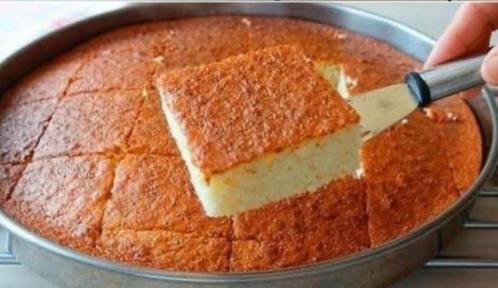
Instructions
- Preheat your oven to 350°F (175°C). Grease and flour a 9-inch round cake pan. You can also line the bottom with parchment paper for easier removal.
- In a medium bowl, whisk together the sifted all-purpose flour, baking powder, and salt. Set aside. Sifting the flour helps to aerate it, contributing to a lighter cake texture.
- In a large bowl, using an electric mixer on medium-high speed, cream together the softened unsalted butter and granulated sugar until light and fluffy. This process should take about 3-5 minutes. The mixture should be pale in color and increased in volume.
- Add the eggs one at a time, beating well after each addition. Make sure each egg is fully incorporated before adding the next. Scrape down the sides of the bowl as needed to ensure everything is evenly mixed.
- Stir in the pure vanilla extract.
- With the mixer on low speed, gradually add the dry ingredients to the wet ingredients, alternating with the whole milk. Begin and end with the dry ingredients. For example, add about one-third of the flour mixture, mix until just combined, then add half of the milk, mix, then another third of the flour, the remaining milk, and finally the last third of the flour.
- Mix until just combined and no streaks of flour remain. Be careful not to overmix the batter, as this can lead to a tough cake. The batter should be smooth and lump-free, but only just.
- Pour the cake batter evenly into the prepared 9-inch round cake pan. Gently tap the pan on the counter a few times to release any large air bubbles.
- Bake for 25-30 minutes, or until a wooden skewer or toothpick inserted into the center of the cake comes out clean. The top of the cake should be golden brown and spring back when lightly touched.
- Remove the cake from the oven and let it cool in the pan on a wire rack for 10-15 minutes. This allows the cake to set and prevents it from breaking when inverted.
- After cooling slightly, invert the cake onto the wire rack to cool completely before slicing and serving.
- Slice into square or rectangular pieces, or wedges if preferred.
Cooking Tips and Variations
To achieve the signature fluffiness of this cake, always ensure your butter, eggs, and milk are at room temperature. This allows them to emulsify better, creating a smoother, more uniform batter that traps air efficiently, resulting in a lighter crumb. If you forget to take them out ahead of time, you can quickly warm eggs in a bowl of warm water for 5-10 minutes, and milk can be gently warmed in the microwave for a few seconds. For butter, cut it into small pieces and let it sit for about 30 minutes, or microwave it for 10-15 seconds at a time until just softened, not melted.
Do not overmix the batter once you add the flour. Overmixing develops the gluten in the flour, which can lead to a dense, chewy cake rather than a light and fluffy one. Mix only until the ingredients are just combined and no dry streaks of flour are visible. A few small lumps are perfectly fine. Similarly, avoid opening the oven door frequently during baking, especially in the first 20 minutes, as this can cause the cake to sink in the middle due to sudden temperature changes.
For an extra boost of flavor, consider adding the zest of one lemon or orange to the butter and sugar creaming stage. The citrus oils infuse beautifully into the cake, adding a bright, aromatic note. You could also substitute half of the vanilla extract with almond extract for a different flavor profile. For a chocolate version, replace ¼ cup of the all-purpose flour with unsweetened cocoa powder and add ½ teaspoon of instant espresso powder to enhance the chocolate flavor.
If you’re looking for a delightful variation, fold in ½ cup of fresh berries (like blueberries or raspberries) into the batter just before pouring it into the pan. Toss the berries with a tablespoon of flour first to prevent them from sinking to the bottom. Alternatively, for a richer cake, you can add a simple glaze made from powdered sugar and milk, or a cream cheese frosting once the cake has completely cooled. A sprinkle of cinnamon or nutmeg in the dry ingredients can also add a warm, comforting spice note.
Ensure your oven is calibrated correctly by using an oven thermometer. Oven temperatures can vary significantly, and an accurate temperature is crucial for consistent baking results. If your cake is browning too quickly on top before it’s cooked through, you can loosely tent it with aluminum foil during the last 10-15 minutes of baking. Always cool the cake completely on a wire rack to prevent it from becoming soggy due to trapped steam. Patience during the cooling process is key for a perfect slice.
Storage and Reheating
To maintain the freshness and fluffiness of your simple cake, proper storage is essential. Once the cake has completely cooled to room temperature, which can take up to 2 hours, it should be stored in an airtight container. This prevents the cake from drying out and absorbing odors from other foods. You can also wrap individual slices tightly in plastic wrap before placing them in the container for even better preservation. Stored at room temperature, this cake will remain fresh and delicious for up to 3 days. Avoid refrigerating plain cake unless it contains a perishable frosting, as refrigeration can dry out the cake and alter its texture, making it denser.
If you wish to store the cake for a longer period, it freezes beautifully. Once the cake is completely cool, wrap the entire cake or individual slices tightly in plastic wrap, then an additional layer of aluminum foil. Place the well-wrapped cake in a freezer-safe bag or container. Frozen, the cake will maintain its quality for up to 2-3 months. When you’re ready to enjoy it, transfer the frozen cake (still wrapped) to the refrigerator overnight to thaw, or simply let it thaw at room temperature for a few hours. Thawing it slowly helps to retain its moisture and delicate texture.
Reheating this simple cake is generally not recommended as it’s best enjoyed at room temperature. The subtle warmth from fresh baking is fleeting, and reheating can often lead to a drier texture. However, if you prefer a slightly warm slice, especially if it’s plain or topped with a scoop of ice cream, you can gently warm individual slices. Place a slice on a microwave-safe plate and microwave on high for 10-15 seconds. Be careful not to overheat, as this can make the cake tough and dry. Alternatively, you can warm a slice in a preheated oven at 250°F (120°C) for about 5-7 minutes, just until it’s slightly warm to the touch. This method helps to preserve the texture better than microwaving. Always serve reheated cake immediately.
Frequently Asked Questions
Why did my cake turn out dense instead of fluffy?
A dense cake is often the result of overmixing the batter once the flour has been added. Overmixing develops the gluten in the flour, which creates a tough, chewy texture. To avoid this, mix the wet and dry ingredients only until they are just combined and no streaks of flour remain. Another common reason is using ingredients that are too cold; room temperature butter, eggs, and milk are crucial for creating a smooth, aerated batter that bakes up light and fluffy. Make sure your leavening agents (baking powder) are fresh and active, as expired leavening can lead to a flat, dense cake.
Can I make this cake recipe into cupcakes?
Absolutely! This simple and fluffy cake recipe translates beautifully into cupcakes. To convert, line a 12-cup muffin tin with paper liners. Fill each liner about two-thirds full with the cake batter. Bake in the preheated 350°F (175°C) oven for approximately 18-22 minutes, or until a toothpick inserted into the center of a cupcake comes out clean. Baking time will be shorter than for a full cake, so keep a close eye on them. Let them cool in the muffin tin for a few minutes before transferring to a wire rack to cool completely. This recipe typically yields 12-14 standard-sized cupcakes.
What is the best way to tell if the cake is fully baked?
The most reliable way to check for doneness is to insert a wooden skewer or toothpick into the very center of the cake. If it comes out clean, with no wet batter clinging to it, the cake is done. Other indicators include the edges of the cake pulling away slightly from the sides of the pan, the top being golden brown, and the center springing back when lightly touched. If the top is browning too quickly but the inside isn’t done, loosely tent the cake with aluminum foil to prevent further browning while allowing the inside to finish baking.
Can I substitute a different type of flour?
For the best results and the intended fluffy texture, all-purpose flour is recommended for this recipe. While some substitutions are possible, they will likely alter the cake’s texture. For example, using cake flour (which has a lower protein content) can make the cake even more tender and delicate, but you might need to adjust the amount slightly. Whole wheat flour is generally not recommended as it will yield a denser, heavier cake with a different flavor. Gluten-free flour blends can be used, but ensure they are a 1:1 baking blend that includes xanthan gum, and be aware that the texture may still vary from the original recipe.