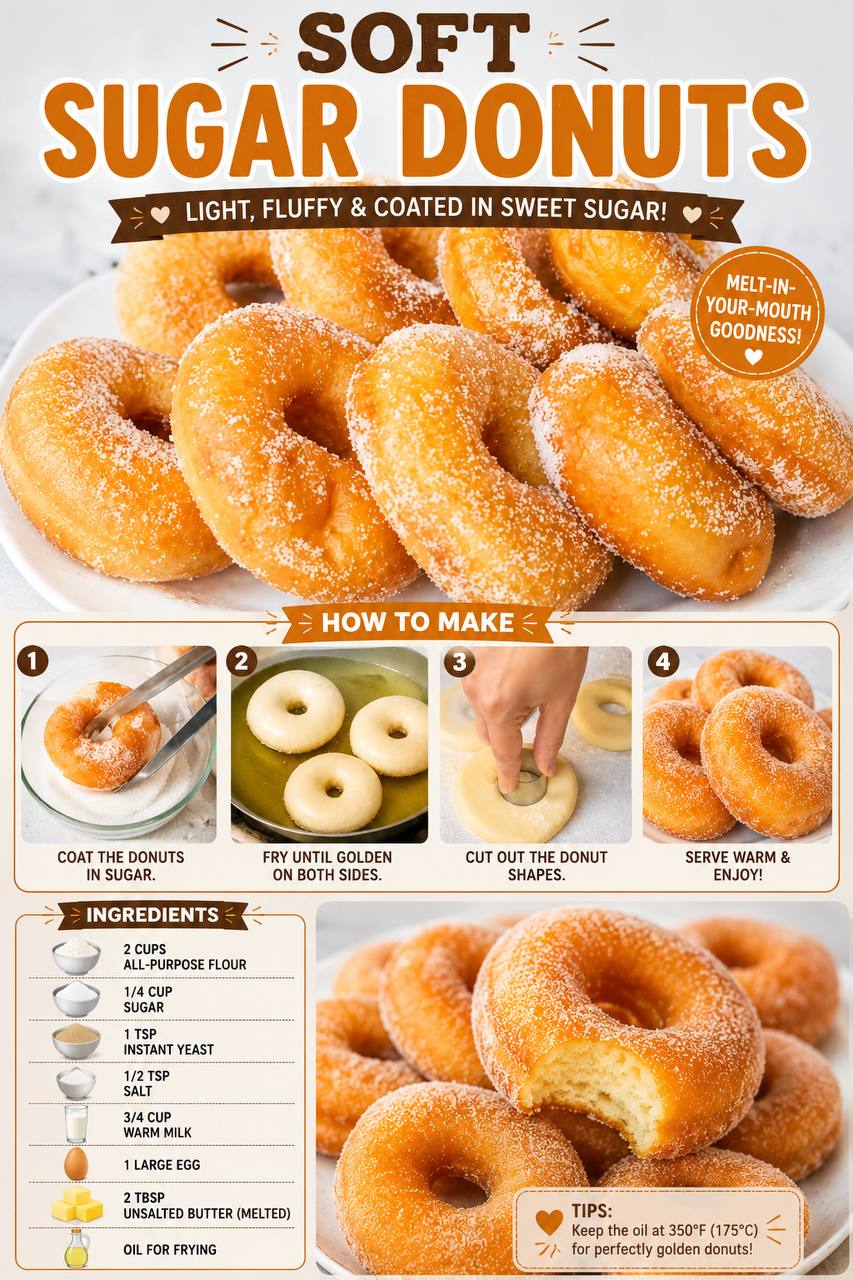
Instructions
- In a large mixing bowl, combine the all-purpose flour, 1/4 cup granulated sugar, instant yeast, and salt. Whisk these dry ingredients together until well combined.
- In a separate medium bowl, whisk together the warm milk, large egg, and melted unsalted butter. Ensure the milk is warm but not hot, as too much heat can kill the yeast.
- Pour the wet mixture into the dry ingredients. Stir with a wooden spoon or a stand mixer with a dough hook attachment on low speed until a shaggy dough forms.
- Turn the dough out onto a lightly floured surface and knead for 8-10 minutes, or use a stand mixer with a dough hook on medium speed for 5-7 minutes. The dough should become smooth, elastic, and slightly tacky to the touch.
- Lightly grease a clean large bowl with a little oil. Place the dough in the bowl, turning it once to coat the top. Cover the bowl with plastic wrap or a clean kitchen towel.
- Let the dough rise in a warm, draft-free place for 1 to 1.5 hours, or until it has doubled in size. This is the first proof. The warmth helps the yeast activate and produce gas, creating those wonderful air pockets.
- Once the dough has doubled, gently punch it down to release the air. Turn the dough out onto a lightly floured surface.
- Using a rolling pin, roll the dough out to an even thickness of about 1/2 inch.
- Using a 3-inch donut cutter or two different-sized round cookie cutters (one larger for the donut, one smaller for the hole), cut out the donuts. Carefully gather the scraps, gently knead them together, and re-roll once to cut out any remaining donuts. Donut holes can also be fried.
- Carefully transfer the cut donuts to lightly floured baking sheets or pieces of parchment paper. Make sure to leave some space between each donut.
- Cover the donuts loosely with plastic wrap or a clean kitchen towel. Let them rise again in a warm place for another 30-45 minutes, or until they look visibly puffy and have increased in size by about 50%. This second proof is crucial for a light and airy texture.
- While the donuts are proofing for the second time, prepare your frying station. Pour the vegetable, canola, or peanut oil into a heavy-bottomed pot or Dutch oven, ensuring the oil is at least 3-4 inches deep.
- Heat the oil over medium heat until it reaches 350°F (175°C). Use a candy thermometer or deep-fry thermometer to monitor the temperature accurately. Maintaining the correct oil temperature is key to perfectly cooked donuts.
- Once the oil is at temperature and the donuts are puffy, carefully lift 2-3 donuts at a time (depending on the size of your pot, do not overcrowd) and gently lower them into the hot oil. If using parchment paper, you can carefully drop the donut with the paper into the oil; the paper will peel off easily.
- Fry the donuts for 1-2 minutes per side, or until they are golden brown and cooked through. They should puff up beautifully in the hot oil.
- Using a slotted spoon or spider, carefully remove the fried donuts from the oil. Hold them over the pot for a moment to allow excess oil to drip off.
- Immediately transfer the warm donuts to a plate lined with paper towels to drain any remaining oil.
- While the donuts are still warm, but cool enough to handle, place the 1/2 cup of granulated sugar for coating in a shallow dish or plate.
- Roll each donut in the sugar, ensuring it’s evenly coated on all sides. The warmth of the donut helps the sugar adhere.
- Repeat the frying and sugar coating process with the remaining donuts and donut holes.
- Serve the soft sugar donuts immediately and enjoy their warm, melt-in-your-mouth goodness!
Cooking Tips and Variations
Achieving the perfect soft sugar donut is all about precision and a few clever tricks. Firstly, yeast activation is paramount. Ensure your milk is truly warm (105-115°F is ideal) – too cold and the yeast won’t activate; too hot and it will die. A thermometer is your best friend here. When kneading, don’t rush the process. Developing the gluten is what gives the donuts their structure and chewiness. If kneading by hand, you’ll feel the dough transform from shaggy to smooth and elastic. For proofing, a warm, draft-free spot is essential. If your kitchen is cool, you can preheat your oven to its lowest setting (around 150°F/65°C) for a few minutes, then turn it off and place the covered dough inside to rise. The slight warmth will create a perfect environment.
The oil temperature during frying is arguably the most critical factor. If the oil is too cool, the donuts will absorb too much oil and become greasy and dense. If it’s too hot, the outside will burn before the inside cooks through, resulting in a raw center. Always use a deep-fry thermometer and adjust your heat as needed to maintain a consistent 350°F (175°C). Don’t overcrowd the pot; frying in batches allows the oil temperature to recover quickly and ensures even cooking. Once fried, drain the donuts on paper towels for a moment, but coat them in sugar while they’re still warm. The residual heat creates a slight stickiness that helps the sugar adhere beautifully.
For variations, the possibilities are endless. Instead of plain granulated sugar, you could mix in a teaspoon of cinnamon with the sugar for a classic cinnamon sugar donut. For a citrusy twist, add some lemon or orange zest to the sugar coating. If you prefer a glazed donut, skip the sugar coating and instead dip the warm donuts into a simple glaze made from powdered sugar, milk, and a touch of vanilla extract. For an extra indulgent treat, you can fill these donuts with jam, custard, or chocolate hazelnut spread using a piping bag fitted with a long, thin nozzle after they’ve been fried and cooled slightly. Experiment with different spices like nutmeg or cardamom in the dough for an added layer of flavor. You can also make savory versions by omitting sugar from the dough and topping with herbs and cheese, though this recipe focuses on the sweet classic.
Storage and Reheating
These soft sugar donuts are undeniably at their best when enjoyed fresh and warm, straight from the fryer. The texture is unparalleled – light, airy, and with that perfect sugar coating. However, if you find yourself with leftovers (a rare occurrence, we know!), they can be stored to be enjoyed later, though their texture will change slightly.
To store leftover donuts, allow them to cool completely to room temperature. Once cooled, place them in an airtight container. If you need to stack them, place a piece of parchment paper between layers to prevent them from sticking together. Store at room temperature for up to 1-2 days. Beyond that, the quality will significantly diminish, and they may start to dry out or become stale. Avoid refrigerating them, as the cold air tends to dry out yeast-based baked goods even faster.
For reheating, the best method to revive some of their warmth and softness is to use a microwave or an oven. To microwave, place a single donut on a microwave-safe plate and heat for 10-15 seconds. Be careful not to overheat, as this can make them tough. For multiple donuts, or if you prefer a slightly crispier exterior, preheat your oven to 300°F (150°C). Place the donuts on a baking sheet and heat for about 5-7 minutes, or until warmed through. This method helps to re-crisp the sugar coating slightly. Alternatively, an air fryer set to about 300°F (150°C) for 2-3 minutes can also work wonders for individual donuts, giving them a lovely warmed texture.
While reheating won’t perfectly replicate the fresh-from-the-fryer experience, it will certainly make your leftover donuts much more enjoyable than eating them cold. Remember, the sooner you eat them, the better they will be!
Frequently Asked Questions
What kind of oil is best for frying donuts?
For frying donuts, it’s best to use a neutral-flavored oil with a high smoke point. Good options include vegetable oil, canola oil, peanut oil, or sunflower oil. These oils won’t impart any unwanted flavors to your donuts and can withstand the high temperatures required for frying without burning.
My donuts absorbed too much oil and are greasy. What went wrong?
The most common reason for greasy donuts is that the oil temperature was too low. When the oil isn’t hot enough (below 350°F / 175°C), the donuts will spend more time in the oil absorbing it rather than quickly cooking and forming a protective crust. Ensure your oil consistently stays at 350°F (175°C) using a thermometer, and don’t overcrowd the pot, which can also lower the oil temperature.
How can I tell if my yeast is still active?
To check if your yeast is active, combine it with a small amount of the warm milk (from the recipe’s total) and a pinch of sugar in a small bowl. Let it sit for 5-10 minutes. If the mixture becomes foamy and bubbly on top, your yeast is active and ready to use. If nothing happens, your yeast is likely dead, and you’ll need to get a fresh batch.
Can I make the donut dough ahead of time?
Yes, you can prepare the donut dough ahead of time. After the first rise, gently punch down the dough, then cover the bowl tightly with plastic wrap and refrigerate it overnight (up to 24 hours). The cold temperature will slow down the yeast activity. The next day, remove the dough from the refrigerator, let it sit at room temperature for about 30-60 minutes to warm up slightly, then proceed with rolling, cutting, and the second proofing step as directed in the recipe.