Instructions
- Prepare the Chicken: Thoroughly wash the chicken pieces under cold water and pat them completely dry with paper towels. This step is crucial for crispy skin. Place the dried chicken pieces in a large bowl or a resealable plastic bag.
- Buttermilk Marinade: Pour the buttermilk over the chicken, ensuring all pieces are submerged or well-coated. If using a bowl, cover it with plastic wrap. Refrigerate and let the chicken marinate for at least 4 hours, or preferably overnight. The longer it marinates, the more tender and flavorful it will be.
- Prepare the Seasoned Flour: In a large, shallow dish or a sturdy resealable plastic bag, combine the flour, salt, black pepper, paprika, garlic powder, onion powder, cayenne pepper, dried thyme, and dried oregano. Whisk or shake well to ensure all the spices are evenly distributed throughout the flour.
- Dredge the Chicken: Remove the chicken pieces from the buttermilk, allowing any excess buttermilk to drip off for a few seconds (do not rinse). One piece at a time, transfer the chicken to the seasoned flour mixture. Dredge generously, pressing the flour onto the chicken to ensure every surface is thoroughly coated. For an extra crispy crust, you can double-dredge: after the first coating, dip the chicken back into the remaining buttermilk (if there is enough, or a fresh small amount) and then dredge it in the flour mixture again. Place the coated chicken pieces on a wire rack set over a baking sheet and let them rest for at least 15-20 minutes at room temperature. This allows the coating to adhere better and prevents it from falling off during frying.
- Heat the Oil: Pour the frying oil into a large, heavy-bottomed pot, Dutch oven, or cast-iron skillet, ensuring the oil is at least 2-3 inches deep. Heat the oil over medium-high heat until it reaches a temperature of 325-350°F (160-175°C). Use a deep-fry thermometer to monitor the temperature accurately.
- Fry the Chicken in Batches: Carefully lower 3-4 pieces of chicken into the hot oil, ensuring not to overcrowd the pan. Overcrowding will lower the oil temperature too quickly and result in greasy, less crispy chicken.
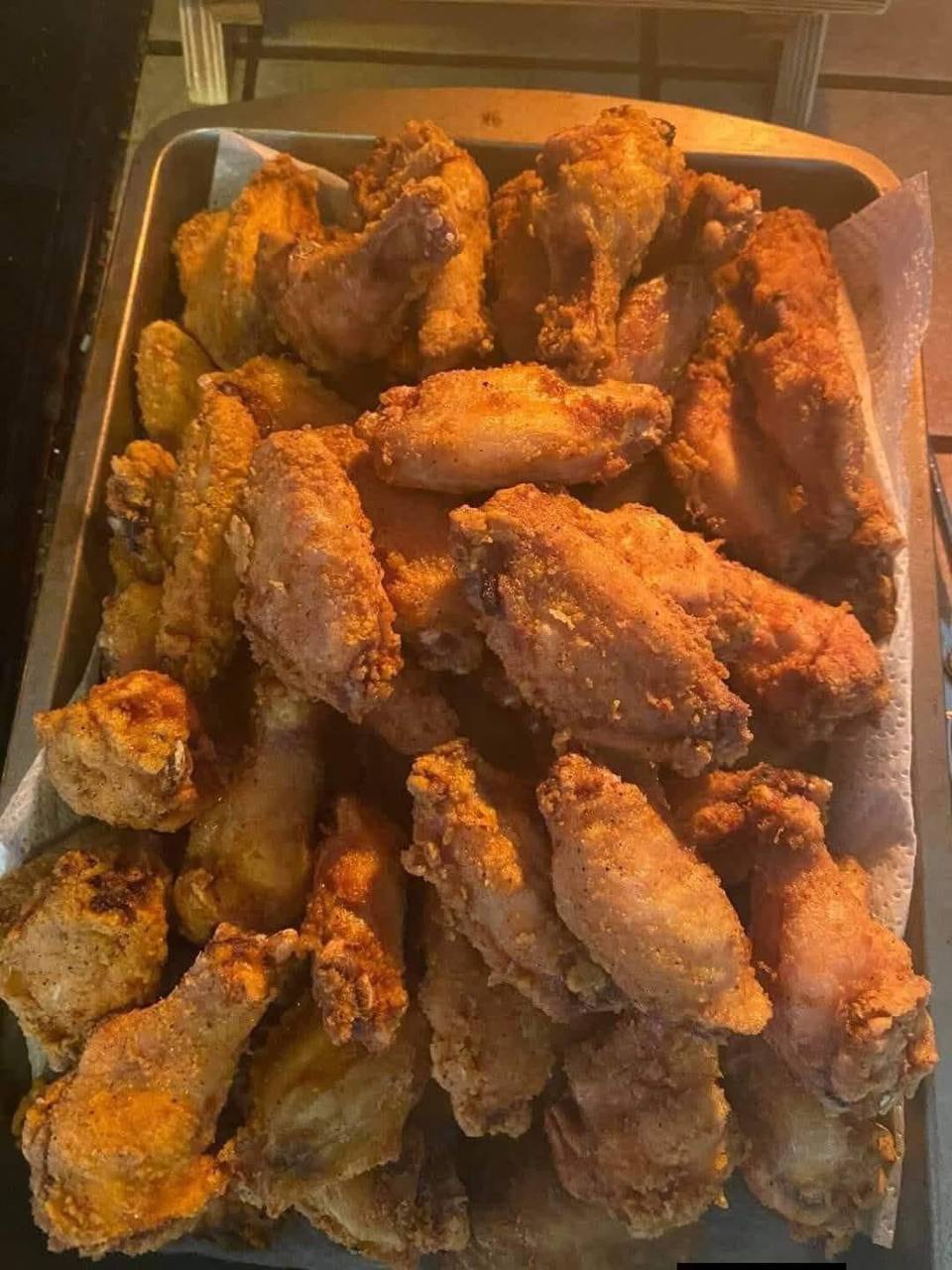
- Cook Until Golden and Cooked Through: Fry the chicken for about 6-8 minutes per side, turning occasionally with tongs, until it is deep golden brown and cooked through. The internal temperature of the thickest part of the chicken should reach 165°F (74°C). Cooking times will vary depending on the size of the chicken pieces. Drumsticks and wings typically cook faster than thighs.
- Drain Excess Oil: Once cooked, carefully remove the fried chicken from the oil and place it on a clean wire rack set over a baking sheet lined with paper towels. This allows excess oil to drain off and helps maintain the crispiness.
- Repeat and Serve: Continue frying the remaining chicken in batches, ensuring the oil temperature returns to 325-350°F (160-175°C) between batches. Serve the Southern Fried Chicken hot, alongside your favorite classic Southern sides.
Cooking Tips and Variations
To achieve the absolute best Southern Fried Chicken, attention to detail makes all the difference. Firstly, always use a thermometer to monitor your oil temperature. Maintaining a consistent temperature between 325-350°F is critical; too low and your chicken will be greasy, too high and the outside will burn before the inside is cooked. Don’t overcrowd your frying vessel; give each piece ample space to cook evenly and ensure the oil temperature doesn’t drop too drastically. After frying, allow the chicken to rest on a wire rack, not paper towels directly on a plate, to prevent the bottom from becoming soggy. The air circulation helps keep that beautiful crust crisp. For an extra layer of flavor, consider adding a pinch of white pepper or a dash of hot sauce to your buttermilk marinade. If you prefer a spicier kick, increase the cayenne pepper in the flour mixture or add a teaspoon of chili powder. For those who enjoy a slightly sweeter profile, a teaspoon of sugar in the flour can create a lovely caramelized crust. You can also experiment with different herbs; a touch of dried sage or rosemary can add a unique twist to the classic seasoning blend. If you don’t have buttermilk, you can make a quick substitute by adding 1 tablespoon of lemon juice or white vinegar to 1 cup of regular milk and letting it sit for 5-10 minutes until it slightly curdles. For a gluten-free option, you can use a gluten-free all-purpose flour blend, though the texture of the crust might vary slightly. Finally, if you’re feeling adventurous, try frying your chicken in a mixture of vegetable oil and a tablespoon or two of bacon fat for an incredibly rich, smoky flavor profile.
Storage and Reheating
Proper storage and reheating are key to enjoying your Southern Fried Chicken leftovers. Once cooled to room temperature, store any leftover fried chicken in an airtight container in the refrigerator for up to 3-4 days. For longer storage, you can freeze fried chicken for up to 3 months. To freeze, arrange the cooled chicken pieces in a single layer on a baking sheet and freeze until solid, then transfer them to a freezer-safe bag or container, separating layers with parchment paper to prevent sticking. When reheating, avoid the microwave if you want to maintain crispiness, as it tends to make the crust soggy. The best method for reheating is in an oven or air fryer. Preheat your oven to 375°F (190°C) and place the chicken on a wire rack set over a baking sheet. Heat for 15-20 minutes, or until thoroughly heated through and the skin is crispy again. For frozen chicken, you may need to increase the baking time to 25-35 minutes. An air fryer is also an excellent option; preheat it to 350°F (175°C) and cook for 10-15 minutes, flipping halfway, until hot and crispy. The goal is to heat it through without drying out the meat, while reviving that beautiful, crunchy crust.
Frequently Asked Questions
Why do I need to marinate the chicken in buttermilk?
Buttermilk is a tried-and-true secret for tender, juicy fried chicken. The lactic acid in buttermilk acts as a gentle tenderizer, breaking down some of the tough fibers in the chicken without making it mushy. It also helps the seasoned flour adhere better to the chicken, creating a thicker, more flavorful crust. Additionally, buttermilk imparts a subtle tang that complements the rich flavor of the fried chicken.
How can I ensure my fried chicken is crispy and not soggy?
Several factors contribute to a crispy crust. First, ensure your chicken is patted completely dry before marinating and again before dredging. Second, let the dredged chicken rest for 15-20 minutes before frying; this helps the coating adhere firmly. Third, maintain the correct oil temperature (325-350°F) throughout the frying process; too low will result in greasy chicken, and too high will burn the crust before the inside cooks. Finally, don’t overcrowd the pan, and always drain the cooked chicken on a wire rack over paper towels, not directly on paper towels, to allow air circulation and prevent steam from making the bottom soggy.
Can I use boneless, skinless chicken for this recipe?
While traditional Southern Fried Chicken typically uses bone-in, skin-on pieces for maximum flavor and juiciness, you can certainly adapt this recipe for boneless, skinless chicken. The cooking time will be significantly reduced, so you’ll need to monitor it closely to prevent overcooking and drying out. Boneless pieces will still benefit from the buttermilk marinade and seasoned flour, but the texture and flavor profile of the final dish will be slightly different due to the absence of bones and skin.
What type of oil is best for frying Southern Fried Chicken?
For frying, you want an oil with a high smoke point and a neutral flavor. Vegetable oil, canola oil, and peanut oil are all excellent choices. Peanut oil is often preferred in the South for its clean frying properties and high smoke point, which allows it to get very hot without burning. Avoid oils with strong flavors like olive oil, as they can impart an undesirable taste to your chicken.