Instructions
- Prepare the Strawberries: Gently wash the strawberries under cool running water. Hull them by removing the green leafy tops and the small white core. Pat them dry thoroughly with paper towels. Slice the strawberries into quarters or mash them slightly with a fork to expose more surface area. This will help release their flavor during the infusion process.
- Combine Strawberries and Alcohol: Transfer the prepared strawberries into a large, clean, airtight glass jar (such as a Mason jar or a preserving jar). Pour the vodka or grain alcohol over the strawberries, ensuring they are completely submerged. If using, add the split vanilla bean or lemon zest to the jar.
- Begin the Infusion: Seal the jar tightly. Place the jar in a cool, dark place, away from direct sunlight. Allow the strawberries to infuse for at least 2 weeks, and up to 4 weeks. For optimal flavor extraction, gently shake the jar every few days to redistribute the contents. The longer the infusion, the more intense the strawberry flavor will be.
- Prepare the Simple Syrup: After the desired infusion period, prepare the simple syrup. In a medium saucepan, combine the granulated sugar and filtered water. Heat over medium heat, stirring constantly, until the sugar is completely dissolved. Bring the mixture to a gentle simmer for 1-2 minutes, then remove from heat and let it cool completely to room temperature. This cooling step is crucial to prevent cloudiness in your final liqueur.
- Strain the Infusion: Once the infusion is complete, it’s time to separate the liquid from the fruit. Place a fine-mesh sieve over a large bowl. Line the sieve with several layers of cheesecloth (or a clean kitchen towel). Carefully pour the strawberry and alcohol mixture through the cheesecloth-lined sieve. Allow it to drain naturally for a while. Do not press or squeeze the strawberries too hard, as this can release cloudy sediment and make your liqueur less clear. You can gently press the last bit of liquid out once most has drained. Discard the spent strawberries.
- Combine and Sweeten: Pour the cooled simple syrup into the strained strawberry-infused alcohol. Stir well to combine. Taste the liqueur and adjust sweetness if desired by adding more simple syrup (prepared in advance) a tablespoon at a time, until it reaches your preferred level of sweetness. Remember that the flavor will mellow slightly over time.
- Filter (Optional for Clarity): For an exceptionally clear liqueur, you can perform a second filtering. Line a clean fine-mesh sieve with a coffee filter or fresh cheesecloth and slowly pour the liqueur through it into another clean bowl. This step is optional but will result in a more professional-looking product.
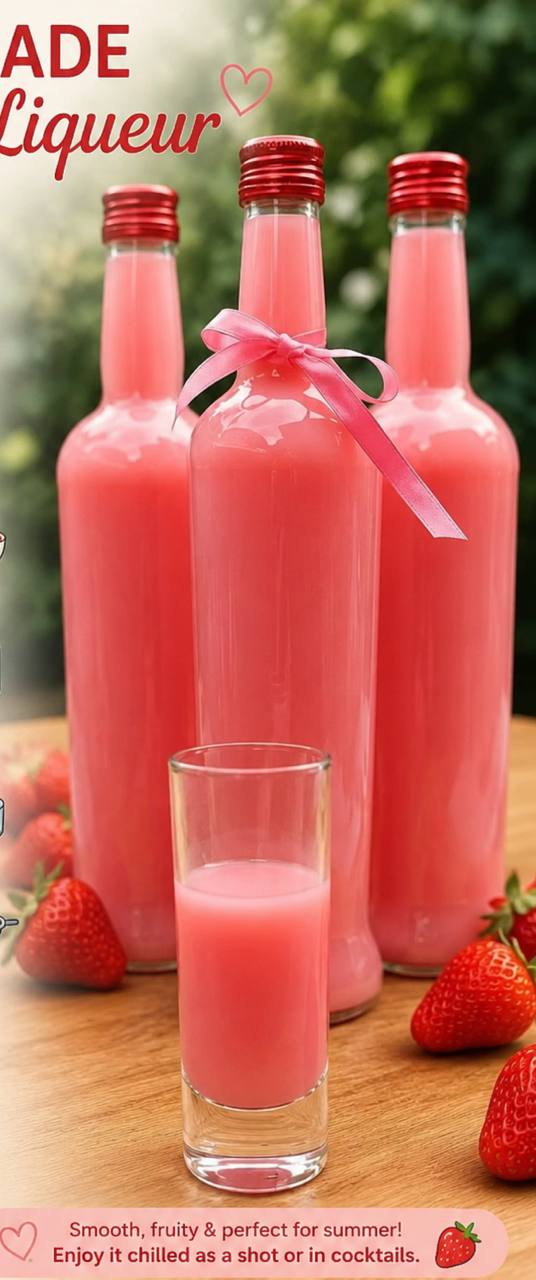
- Bottle and Store: Using a funnel, carefully transfer the finished strawberry liqueur into clean, sterilized glass bottles with airtight seals. Label the bottles with the date. Store the liqueur in a cool, dark place.
Cooking Tips and Variations
For the absolute best results, always start with the freshest, most fragrant, and ripest strawberries you can find. Farmers’ market berries in peak season will yield an unparalleled flavor and color that outshines anything else. When selecting your alcohol base, a good quality vodka (80-100 proof) is a neutral choice that allows the strawberry flavor to shine. However, you can experiment with white rum for a slightly different undertone or even a neutral grain spirit for a more potent base, just be aware of the higher alcohol content. Precision in hulling and thoroughly drying your strawberries is important; excess water can dilute the flavor and potentially impact shelf stability. Don’t rush the infusion process – patience truly is a virtue here. The longer the strawberries steep, the more complex and deep their flavor will become. Shaking the jar regularly ensures all fruit is exposed to the alcohol, promoting even extraction.
When it comes to sweetening, always allow your simple syrup to cool completely before adding it to the alcohol. Hot syrup can cause the alcohol to evaporate and may lead to a cloudy final product. Taste as you go when adding the syrup; everyone’s preference for sweetness varies, so adjust until it’s perfect for you. Remember that liqueurs often taste sweeter once chilled. For variations, consider adding a split vanilla bean during the infusion for a warm, aromatic depth, or a few strips of lemon zest (avoiding the white pith) for a bright, citrusy lift that complements the strawberries beautifully. A sprig of fresh mint or a few black peppercorns can also offer intriguing flavor layers. For a creamier, richer liqueur, you could adapt this recipe to a cream liqueur by incorporating heavy cream and condensed milk *after* the initial alcohol infusion and straining, but this would significantly reduce shelf life and require refrigeration.
To ensure the longest shelf life and best quality, sterilize all your equipment, especially the bottles, before use. You can do this by washing them thoroughly in hot, soapy water, rinsing well, and then either boiling them for 10 minutes or running them through a hot sanitize cycle in your dishwasher. This prevents unwanted bacteria from affecting your liqueur. If you find your liqueur is a bit cloudy after straining, a second, slower filtration through a coffee filter can work wonders for clarity. Just be prepared for it to take some time. Finally, don’t be afraid to experiment with other berries or fruits once you’ve mastered the strawberry version – the principles of fruit infusion remain largely the same.
Storage and Reheating
Proper storage is key to maintaining the quality and extending the shelf life of your homemade strawberry liqueur. Once bottled, your liqueur should be stored in a cool, dark place, away from direct sunlight and temperature fluctuations. A pantry, cellar, or even a cupboard is ideal. Unlike many homemade products, this liqueur does not typically require refrigeration due to its high alcohol and sugar content, which act as natural preservatives. However, serving it chilled is highly recommended for the best taste experience. You can store an opened bottle in the refrigerator if you prefer, especially if you live in a very warm climate, but it’s not strictly necessary for safety.
When stored correctly, homemade strawberry liqueur can last for 6 months to 1 year, and sometimes even longer, without significant degradation in quality. Over time, you might notice a very slight fading of color or a subtle mellowing of flavor, but it should remain perfectly enjoyable. Always check for any off-odors or unusual appearances before consuming, though these are rare with properly prepared and stored liqueurs. There is no reheating involved with liqueur, as it is a spirit meant to be enjoyed at cool or room temperature. For serving, simply pour into a shot glass or mix into your favorite cocktail. For a truly refreshing experience, chill the bottle in the refrigerator for a few hours before serving.
Frequently Asked Questions
How long does the strawberry infusion process really need?
While you can get some flavor in as little as a week, for optimal depth and intensity of strawberry flavor, we highly recommend infusing for at least 2 weeks, and ideally 3 to 4 weeks. The longer the strawberries steep in the alcohol, the more their natural essences and vibrant color are extracted, resulting in a richer, more complex liqueur. Patience truly pays off in this step!
Can I use frozen strawberries instead of fresh ones?
Yes, you can use frozen strawberries if fresh ones are out of season or unavailable. However, be aware that frozen strawberries tend to release more water when thawed, which can slightly dilute the flavor. To mitigate this, you might want to use a slightly higher quantity of frozen berries than fresh, or consider reducing the amount of water used in your simple syrup slightly. Ensure they are fully thawed and drained before adding to the alcohol.
Why did my liqueur turn out cloudy?
Cloudiness in homemade liqueur can be caused by a few factors. The most common reasons are pressing the strawberries too hard during straining, which pushes fine fruit particles through the filter, or adding simple syrup that hasn’t fully cooled down. To prevent this, be gentle when straining and always ensure your simple syrup is at room temperature before mixing. If it’s already cloudy, you can try re-filtering it very slowly through a coffee filter set in a fine-mesh sieve.
What’s the best way to serve homemade strawberry liqueur?
Homemade strawberry liqueur is incredibly versatile! It’s absolutely delicious served chilled as a shot or a delightful after-dinner cordial. It also makes a fantastic addition to cocktails: try it stirred into prosecco or sparkling wine for a festive spritzer, mixed with soda water and a squeeze of lime for a refreshing non-alcoholic-ish drink, or as a fruity twist in a margarita or martini. You can also drizzle it over vanilla ice cream, fresh fruit salad, or even a cheesecake for an elegant dessert enhancement. Garnish with a fresh strawberry slice or a mint sprig for extra flair.