Instructions
- Prepare the Cake Pan: Preheat your oven to 350°F (175°C). Line a 10×15-inch jelly roll pan with parchment paper, allowing an overhang on the short sides. Lightly grease the parchment paper.
- Whip Egg Yolks: In a medium bowl, whisk together the egg yolks, 1/4 cup of the granulated sugar, and vanilla extract until light, pale, and fluffy, about 3-5 minutes.
- Combine Dry Ingredients: In a separate small bowl, whisk together the sifted flour, baking powder, and salt.
- Fold Dry into Wet: Gently fold the dry ingredients into the egg yolk mixture until just combined.
- Add Milk and Butter: Stir in the milk and melted butter until fully incorporated. Set aside.
- Whip Egg Whites: In a large, clean bowl (preferably a stand mixer with a whisk attachment), beat the egg whites on medium speed until soft peaks form. Gradually add the remaining 1/4 cup of granulated sugar, one tablespoon at a time, and continue beating on high speed until stiff, glossy peaks form.
- Combine Mixtures: Gently fold about one-third of the whipped egg whites into the egg yolk batter to lighten it. Then, carefully fold in the remaining egg whites in two additions, being careful not to deflate the mixture.
- Bake the Cake: Pour the batter evenly into the prepared jelly roll pan. Spread it gently to the edges. Bake for 10-12 minutes, or until the cake springs back when lightly touched and the edges are lightly golden. Do not overbake, as this will make the cake less pliable.
- Prepare for Rolling: While the cake is baking, lay a clean kitchen towel (or a new piece of parchment paper) on your counter and dust it generously with powdered sugar.
- Roll the Cake (Crucial Step!): As soon as the cake comes out of the oven, immediately invert it onto the prepared sugared towel. Carefully peel off the parchment paper from the bottom of the cake. Starting from one of the short ends, tightly roll the warm cake and the towel together. Place the rolled cake, seam-side down, on a wire rack and let it cool completely in its rolled form, about 1-2 hours. This step trains the cake to hold its rolled shape without cracking.
- Prepare Strawberries: While the cake cools, if desired, gently toss the sliced strawberries with 2 tablespoons of granulated sugar. Let them sit for 15-20 minutes to release some of their juices and enhance their sweetness. Drain any excess liquid before using.
- Make the Cream Filling: Once the cake is cool, prepare the filling. In a large, chilled bowl, beat the very cold heavy cream, powdered sugar, and vanilla extract on high speed until stiff peaks form. Be careful not to overbeat, or it will become grainy.
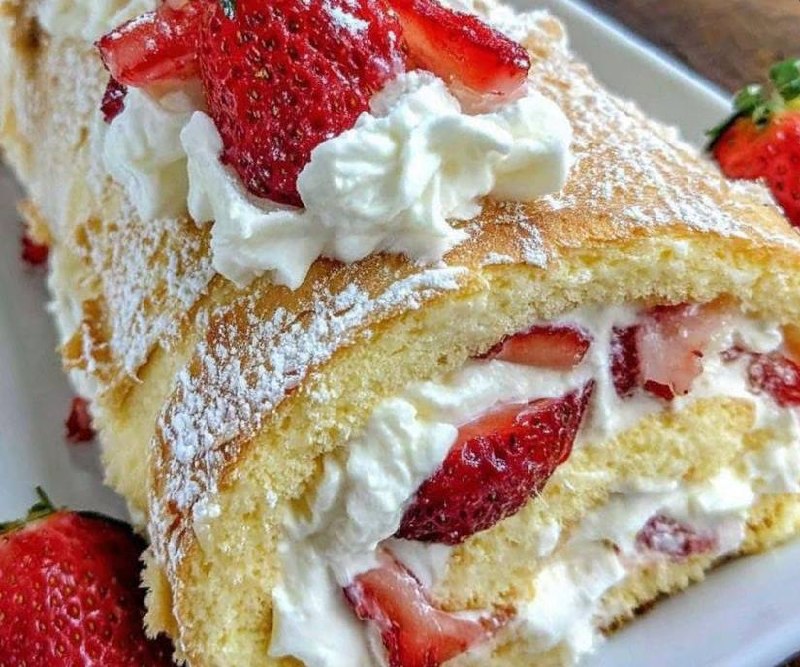
- Assemble the Roll Cake: Gently unroll the cooled cake. It should retain its shape. Spread the whipped cream evenly over the entire surface of the cake, leaving about a 1-inch border on one of the short ends. Arrange the sliced strawberries over the whipped cream.
- Roll the Cake: Starting from the short end with the filling, carefully and tightly roll the cake back up, gently pulling the parchment paper or towel away as you roll.
- Chill: Transfer the rolled cake, seam-side down, to a serving platter. Cover loosely with plastic wrap and refrigerate for at least 1-2 hours to allow the filling to set and the cake to firm up, making it easier to slice.
- Garnish and Serve: Before serving, dust the top of the cake generously with powdered sugar. If desired, decorate with extra dollops of whipped cream and fresh whole or sliced strawberries. Slice with a sharp knife and serve chilled.
Cooking Tips and Variations
Achieving a perfect roll cake requires a bit of finesse, but these tips will set you up for success. First and foremost, do not overbake your cake. An overbaked sponge will be dry and brittle, making it prone to cracking when rolled. The cake should feel springy to the touch and just starting to pull away from the edges of the pan. The rolling while warm step is non-negotiable; this is what trains the cake to maintain its shape as it cools. If you wait for it to cool completely before rolling, it will almost certainly crack.
For the whipped cream, ensure your heavy cream, bowl, and even the whisk attachment are thoroughly chilled before you begin. This helps the cream whip up faster and hold its volume better. If your kitchen is warm, you can even place the bowl over an ice bath while whipping. Be careful not to overbeat the cream, as it can quickly turn grainy or separate. Stop once stiff peaks form.
When preparing your strawberries, if they aren’t super sweet, tossing them with a little sugar (macerating) is a great way to draw out their natural juices and intensify their flavor. Just remember to drain any excess liquid before adding them to the cake to prevent the filling from becoming watery. For variations, consider adding a thin layer of strawberry jam or a berry compote before the whipped cream for an extra burst of fruit flavor. You could also try different berries like raspberries or blueberries, or even a mix of berries, for a colorful twist. A touch of lemon zest in the cake batter or whipped cream can also brighten the flavors beautifully.
To ensure easy removal of the cake from the pan and prevent sticking, always line your jelly roll pan with parchment paper. Make sure the parchment paper extends beyond the short edges of the pan to create “handles” that you can use to lift the warm cake. When unrolling the cooled cake to fill, do so gently and slowly. If the cake sticks a little to itself, a gentle tug should release it without tearing.
Storage and Reheating
This Strawberry Shortcake Roll Cake is best enjoyed fresh, but it stores beautifully in the refrigerator. Once assembled, cover the roll cake loosely with plastic wrap or place it in an airtight container. It will keep well in the refrigerator for up to 2-3 days. The cake typically tastes best on the first day or two, as the strawberries are at their freshest and the cake remains tender.
Due to the whipped cream filling and fresh fruit, this cake is not suitable for freezing. Freezing would alter the texture of both the whipped cream (which can become watery upon thawing) and the strawberries (which can become mushy). It’s always best to prepare and enjoy this delightful treat within its recommended refrigerated storage time.
Reheating is not recommended for this type of dessert. It is designed to be served chilled, allowing the whipped cream to remain firm and refreshing. Serving it at room temperature for an extended period could cause the whipped cream to soften and the cake to lose its structural integrity. Always return any uneaten portions to the refrigerator promptly.
Frequently Asked Questions
Why did my roll cake crack when I unrolled it?
The most common reason for a roll cake to crack is overbaking. An overbaked cake becomes dry and loses its flexibility, making it brittle. Another reason could be not rolling it while it’s still warm. Rolling the warm cake with a towel helps train it to hold its shape as it cools. Ensure your cake is baked just until it springs back when lightly touched, and roll it immediately after removing it from the oven.
Can I make this cake ahead of time?
You can prepare the cake component a day in advance. Bake and roll the cake in a towel as instructed, then let it cool completely and store it, still rolled, at room temperature or in the refrigerator overnight. Prepare the whipped cream and slice the strawberries just before assembling and filling the cake on the day you plan to serve it. This ensures the freshest taste and best texture for the filling.
What if I don’t have a jelly roll pan?
A jelly roll pan is typically 10×15 inches. If you don’t have one, you can use a similar-sized rimmed baking sheet. The key is that the pan should be shallow and large enough to spread the cake batter thinly, allowing it to bake quickly and remain pliable. Avoid using a much smaller pan, as the cake would be too thick to roll easily without cracking.
Can I use frozen strawberries?
While fresh strawberries are highly recommended for their vibrant flavor and firm texture, you can use frozen strawberries in a pinch. If using frozen, thaw them completely and drain them very well to remove excess liquid, which can make the filling watery. You might also want to pat them dry with paper towels before adding them to the cake. Be aware that the texture of thawed frozen strawberries will be softer than fresh ones.