Instructions
- Prepare the Crust: Preheat your oven to 350°F (175°C). Line an 8×8 inch (20×20 cm) baking pan with parchment paper, leaving an overhang on two sides to easily lift the bars out later.
- In a medium bowl, whisk together the almond flour, powdered erythritol, and salt.
- Add the cold, cubed butter to the flour mixture. Using a pastry blender, your fingertips, or a food processor, cut the butter into the flour until the mixture resembles coarse crumbs.
- Stir in the vanilla extract until just combined. The dough might seem a bit dry but should hold together when pressed.
- Press the crust mixture evenly into the bottom of the prepared baking pan. Use the back of a spoon or your fingers to create a compact, even layer.
- Bake the crust for 15-18 minutes, or until lightly golden brown around the edges. Remove from the oven and set aside to cool slightly while you prepare the filling. Do not turn off the oven; reduce the temperature to 325°F (160°C).
- Prepare the Lemon Filling: In a large bowl, whisk together the eggs and granulated erythritol until well combined and slightly frothy.
- Stir in the fresh lemon juice, lemon zest, melted butter, cornstarch, and salt. Whisk vigorously for about 1-2 minutes until the cornstarch is fully dissolved and the mixture is smooth.
- Pour the lemon filling evenly over the warm, pre-baked crust in the pan.
- Bake the Lemon Bars: Carefully return the pan to the oven and bake for 25-30 minutes, or until the filling is set but still has a slight jiggle in the center when gently shaken. The edges should be firm. Be careful not to overbake, as this can lead to a dry filling or cracking.
- Cool and Chill: Remove the pan from the oven and let the lemon bars cool completely at room temperature on a wire rack. This can take 1-2 hours.
- Once cooled to room temperature, transfer the pan to the refrigerator and chill for at least 3-4 hours, or preferably overnight. Chilling is crucial for the bars to set properly and for clean cutting.
- Slice and Serve: Once completely chilled, use the parchment paper overhangs to carefully lift the entire slab of lemon bars out of the pan and onto a cutting board.
- Using a sharp knife, trim the edges if desired, then cut the slab into 16 or 20 equal squares. For the cleanest cuts, wipe your knife clean between each slice.
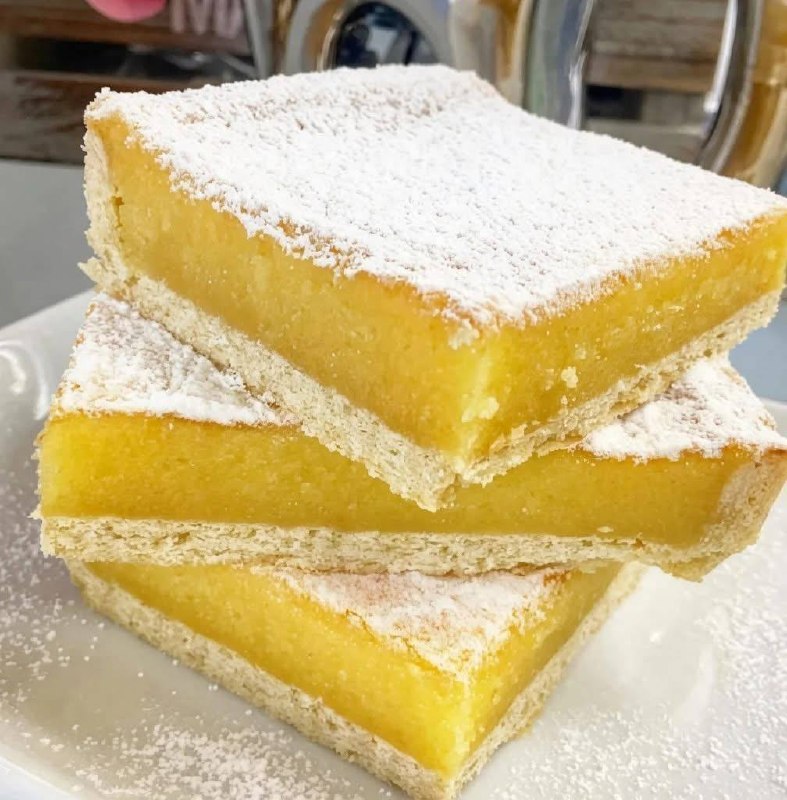
- Just before serving, dust the top of the lemon bars generously with powdered erythritol using a fine-mesh sieve.
Cooking Tips and Variations
For the ultimate sugar-free lemon bars, attention to detail makes all the difference. When preparing the crust, ensure your butter is very cold. This is essential for a tender, crumbly shortbread texture. If the butter is too warm, it will melt into the flour too quickly, resulting in a tough crust. You can even cube the butter and place it in the freezer for 10-15 minutes before mixing. Don’t overmix the crust dough; as soon as it comes together and holds its shape when pressed, stop. Overmixing develops the gluten in the flour, which can make the crust less tender.
For the lemon filling, always use fresh lemon juice and zest. Bottled lemon juice simply doesn’t compare in terms of vibrant flavor. The zest is particularly important as it contains essential oils that contribute significantly to the overall lemon aroma and taste. When zesting, be careful to only get the bright yellow part and avoid the bitter white pith. Ensure all ingredients for the filling are at room temperature, especially the eggs, as this helps them emulsify better and creates a smoother, more uniform filling. When whisking the filling, make sure the cornstarch is completely dissolved to prevent lumps and ensure proper thickening. If you prefer a slightly thicker filling, you can increase the cornstarch by half a tablespoon, but be mindful not to make it too gummy.
Baking the filling at a lower temperature (325°F/160°C) is key to preventing cracks on the surface. Overbaking can cause the filling to become rubbery or crack, so watch it carefully. The filling should be set around the edges but still have a slight jiggle in the very center when you gently shake the pan. This indicates it’s perfectly cooked. Once out of the oven, resist the urge to cut into them immediately. Cooling completely at room temperature and then chilling thoroughly in the refrigerator is non-negotiable for perfectly set, sliceable bars. Chilling allows the filling to firm up and the flavors to meld beautifully. For super clean cuts, use a very sharp, thin knife and wipe the blade with a damp cloth after each slice to prevent sticking.
If you’re looking for variations, consider adding a hint of other flavors. A tiny pinch of cardamom or a teaspoon of poppy seeds can add an interesting twist to the lemon filling. For a more decadent crust, you could incorporate a tablespoon of finely chopped nuts like pecans or walnuts, though this will slightly alter the carb count. For a dairy-free version, use a plant-based butter substitute for both the crust and the filling. If you’re not strictly keto or low-carb, you can experiment with different gluten-free flour blends for the crust. Finally, if you find your sugar substitute leaves a slight aftertaste, a tiny amount of cream of tartar (1/8 teaspoon) can sometimes help to neutralize it in the filling.
Storage and Reheating
Proper storage is crucial for maintaining the freshness and integrity of your sugar-free lemon bars. After they have been completely chilled and cut, transfer the bars to an airtight container. Arrange them in a single layer if possible, or place parchment paper between layers if stacking. Store the container in the refrigerator. These lemon bars will stay fresh and delicious for up to 5-7 days when stored this way. The cold temperature helps to keep the filling firm and prevents the crust from becoming soggy.
While lemon bars are generally best enjoyed chilled directly from the refrigerator, if you prefer them at room temperature, you can take them out about 15-20 minutes before serving. However, for food safety and optimal texture, do not leave them at room temperature for extended periods, especially in warm environments, as the dairy and egg components in the filling can spoil. These bars are not typically “reheated” in the traditional sense, as warming them would likely cause the filling to soften and become runny, losing its desirable firm texture. They are designed to be a refreshing, chilled dessert.
For longer storage, sugar-free lemon bars can also be frozen. To freeze, arrange the cut bars in a single layer on a baking sheet and freeze until solid, about 2-3 hours. Once frozen, transfer them to a freezer-safe airtight container or heavy-duty freezer bag, again separating layers with parchment paper if stacking. They can be stored in the freezer for up to 1-2 months. When you’re ready to enjoy them, simply transfer the desired number of frozen bars to the refrigerator and let them thaw overnight, or for a quicker thaw, place them on the counter at room temperature for about 30-60 minutes, though they are often still delightful when slightly frozen, like a cool treat on a warm day. Always dust with fresh powdered erythritol just before serving after thawing, as the original dusting may absorb moisture.
Frequently Asked Questions
Can I use a different sugar substitute than erythritol?
Yes, you can. Granulated or powdered monk fruit blend, stevia blend, or allulose are common alternatives. However, be aware that different sugar substitutes have varying sweetness levels and may behave differently in baking, affecting texture and flavor. It’s best to use a 1:1 sugar substitute blend for ease, but always check the manufacturer’s recommendations for conversion if using a pure form. You may need to adjust the amount to match your preferred sweetness.
Why did my lemon bars crack on top?
Cracking usually occurs if the lemon bars were overbaked or baked at too high a temperature. When the filling bakes for too long, it dries out and contracts, leading to cracks on the surface. To prevent this, ensure your oven temperature is accurate (an oven thermometer can help!) and remove the bars from the oven when the edges are set but the center still has a slight, gentle jiggle. The filling will continue to set as it cools.
My lemon bars are too soft or runny. What went wrong?
If your lemon bars are too soft or runny, the most common reasons are underbaking or insufficient chilling. Ensure the filling is set with only a slight jiggle in the center before removing from the oven. More importantly, it is absolutely crucial to allow the bars to cool completely at room temperature and then chill them in the refrigerator for at least 3-4 hours, or ideally overnight. The chilling process allows the cornstarch and eggs to fully set, creating the firm, sliceable texture you desire. If they are still too soft after thorough chilling, it likely means they needed more baking time.
Can I make these gluten-free if I don’t want to use almond flour?
Yes, you can! If you’re not following a keto diet but still want to avoid gluten, you can substitute the almond flour in the crust with a good quality gluten-free all-purpose flour blend that contains xanthan gum. The texture might be slightly different from the almond flour crust, but it will still be delicious. Ensure your chosen blend is suitable for baking and has a neutral flavor profile to complement the lemon.