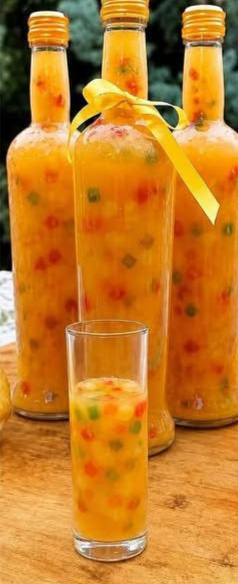
Instructions
- Prepare Jars and Lids: Begin by sterilizing your canning jars and lids. Wash jars and bands in hot, soapy water, rinse well. Place jars in a large pot with a rack, ensuring they are covered by at least one inch of water. Bring to a boil and boil for 10 minutes. Keep jars in hot water until ready to fill. Place new lids in a small saucepan with simmering (not boiling) water to soften the sealing compound; do not boil.
- Prepare Peppers and Pineapple: If using fresh pineapple, peel, core, and crush it, measuring out 4 cups. For the jalapeños, wash thoroughly. For less heat, wear gloves and carefully remove the seeds and membranes, then finely dice. For more heat, you can leave some seeds in. Finely dice the red bell pepper if using.
- Combine Ingredients (Initial Cook): In a large, heavy-bottomed stainless steel pot or Dutch oven, combine the crushed pineapple (with its juice), diced jalapeño peppers, diced red bell pepper (if using), apple cider vinegar, and fresh lime juice.
- Add Pectin: Stir in the powdered fruit pectin until fully dissolved.
- Bring to a Rolling Boil: Place the pot over high heat and bring the mixture to a full, rolling boil that cannot be stirred down. Stir constantly to prevent scorching.
- Add Sugar: Once a rolling boil is achieved, immediately add all 6 cups of granulated sugar. Stir constantly until the sugar is completely dissolved. If using, add 1/2 teaspoon of butter or margarine to help reduce foaming.
- Boil for Setting Point: Return the mixture to a full, rolling boil. Boil hard for exactly 1 minute, stirring constantly. This is crucial for the pectin to activate and for the jelly to set properly.
- Remove from Heat and Skim: After 1 minute of hard boiling, remove the pot from the heat. Skim off any foam from the surface using a metal spoon.
- Fill Jars: Carefully remove one sterilized hot jar from the water. Ladle the hot jelly into the hot jar, leaving 1/4 inch of headspace (the space between the jelly and the rim of the jar).
- Clean Rims and Seal: Wipe the rim of the jar clean with a damp paper towel to ensure a good seal. Place a hot lid on the jar and screw on the band fingertip tight (just until resistance is met). Do not overtighten.
- Process in Water Bath: Carefully place the filled jar back into the canner rack. Repeat for the remaining jars. Ensure all jars are covered by at least 1 inch of water. Bring the water back to a full boil.
- Process Jars: Once boiling, process the jars in the boiling water bath for 10 minutes (adjust time for altitude if necessary).
- Cool and Check Seals: After 10 minutes, turn off the heat and carefully remove the jars from the canner using a jar lifter. Place them upright on a towel-lined surface, ensuring they are not touching each other, and allow them to cool undisturbed for 12-24 hours.
- Check Seals: After cooling, check the seals. Lids should be concave (curved inwards) and not flex when pressed. If any jar did not seal, refrigerate it and consume within 3 weeks.
- Store: Remove the bands from sealed jars, wipe jars clean, and store in a cool, dark place.
Cooking Tips and Variations
Adjusting the Heat: The beauty of homemade jelly is customization! For a milder jelly, be sure to wear gloves and meticulously remove all seeds and white membranes from the jalapeños before dicing. These are where most of the capsaicin (the heat-producing compound) resides. For a spicier kick, leave some or all of the seeds and membranes intact. You can even add a pinch of dried red pepper flakes to the initial mixture for an extra layer of heat. If you’re feeling adventurous and want to really turn up the dial, consider substituting a few serrano peppers for some of the jalapeños, but be warned, serranos are significantly hotter!
Perfecting the Set: Pectin is a natural gelling agent, but it needs specific conditions to work best. Always follow the pectin package instructions, as different brands can have slightly different requirements. Using the exact amount of sugar specified is crucial, as pectin relies on sugar to gel. Don’t be tempted to reduce the sugar significantly, as it affects both the set and the preservation. If your jelly doesn’t seem to set after cooling, it might be due to under-boiling or not enough pectin. You can sometimes re-process a batch by adding more pectin and re-boiling, but it’s best to get it right the first time.
Preventing Foam: The small amount of butter or margarine added with the sugar is a simple trick to reduce the amount of foam that forms on top of the jelly during boiling. Foam can be skimmed off, but the butter helps minimize its formation, leading to a clearer, more attractive jelly. Don’t skip this step if you’re aiming for that perfectly clear, jewel-like appearance.
Alternative Fruits: While pineapple is fantastic, don’t limit yourself! This recipe framework can be adapted for other fruit combinations. Consider mango for a tropical twist, peaches for a summery sweetness, or even strawberries for a vibrant red jelly. Just ensure your chosen fruit has a similar pectin level or adjust the added pectin as needed. Always taste and adjust the amount of jalapeño to complement the new fruit’s flavor profile.
Serving Suggestions Beyond the Obvious: Beyond cream cheese and crackers, this jelly is a culinary chameleon. Use it as a glaze for roasted chicken, pork tenderloin, or even grilled shrimp skewers. It adds a fantastic sweet and spicy element to a cheese board, pairing beautifully with aged cheddar, goat cheese, or brie. Try stirring a spoonful into a vinaigrette for a salad dressing with a kick, or even mixing a small amount into plain Greek yogurt for a surprising breakfast treat. For a truly unique appetizer, melt a little jelly and brush it over puff pastry squares before baking, then top with a sprinkle of sea salt.
Gifting Presentation: If you’re making this jelly as a gift, presentation matters! Once the jars are sealed and cooled, remove the bands (they can rust in storage) and wipe the jars clean. Tie a simple ribbon around the neck of the jar, add a handwritten tag with the jelly’s name and perhaps a serving suggestion, or even customize the lid with decorative fabric. A small decorative spoon tied to the jar completes the look, making it an ideal hostess gift, holiday present, or a thoughtful gesture for any occasion.
Storage and Reheating
Once your Sweet Heat Pineapple Jalapeño Jelly jars are properly sealed and have cooled, they can be stored in a cool, dark place, such as a pantry or cupboard, for up to one year. Make sure to remove the screw bands before storing, as they can rust over time and make it difficult to open the jar, and they are not necessary for the seal once the jar has cooled. If a jar does not seal properly (the lid is not concave), store it in the refrigerator and consume it within 3-4 weeks.
Once a jar has been opened, it must be stored in the refrigerator. It will maintain its best quality for approximately 3-4 weeks. While jelly doesn’t typically “reheat” in the traditional sense, if you’re using it as a glaze for meats or a sauce, you can gently warm it in a small saucepan over low heat until it reaches your desired consistency. Be careful not to boil it vigorously once opened, as this can alter its set and flavor. For most applications, like spreading on toast or serving with cheese, it’s best enjoyed at room temperature or slightly chilled directly from the refrigerator.
Frequently Asked Questions
What if my jelly doesn’t set?
Don’t despair! Jelly that doesn’t set is often called “syrup,” and it’s still delicious. The most common reasons for a failed set are not boiling hard enough or long enough, or incorrect measurements of sugar or pectin. You can try to reprocess it: open the jars, return the jelly to a large pot, add 1/4 cup sugar and 2 tablespoons of liquid pectin (or 2 teaspoons powdered pectin mixed with 1/4 cup water), bring to a rolling boil for 1 minute, then re-jar and re-process in a water bath. Alternatively, just enjoy it as a delicious pineapple jalapeño syrup for pancakes, ice cream, or cocktails!
Can I use fresh pineapple instead of canned?
Absolutely! Using fresh pineapple will give your jelly an even brighter, more vibrant flavor. Just be sure to crush it well and measure out the specified 4 cups, including any juices released during crushing. Fresh pineapple can sometimes be a bit more acidic, so the set might be slightly firmer, but it will still work wonderfully with the pectin.
How do I know if my jars are sealed properly?
After the jars have cooled for 12-24 hours, check the seals. The center of the lid should be concave (curved inwards) and should not flex up and down when pressed with your finger. If you remove the screw band, you should be able to lift the jar by the edge of the lid without it coming off. If a lid pops up or feels loose, it has not sealed. Refrigerate any unsealed jars and consume them within a few weeks.
Can I reduce the amount of sugar in the recipe?
Reducing the amount of sugar significantly is not recommended for this recipe. Sugar plays a crucial role not only in sweetness but also in the gelling process with pectin and as a preservative. If you drastically cut the sugar, your jelly may not set properly, and its shelf life for canning will be compromised. If you prefer a less sweet option, look for “low sugar” pectin recipes specifically designed for reduced sugar content, as they use a different type of pectin that doesn’t require as much sugar to gel.