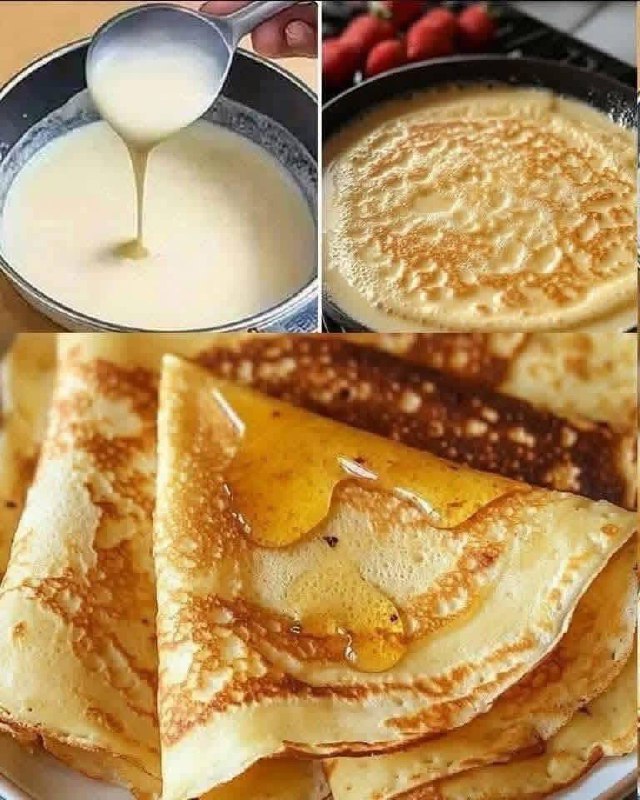
Introduction
There’s something undeniably magical about a perfectly crafted crepe. Thin as lace, impossibly tender, and with just enough delicate chew, crepes are a culinary canvas waiting for your sweet or savory masterpiece. Forget the store-bought versions that often disappoint with their rubbery texture; today, we’re diving into the art of making the softest homemade crepes you’ll ever experience. This isn’t just another recipe; it’s a journey to unlock the secrets of creating those melt-in-your-mouth, ethereal discs that will have everyone begging for more.
Imagine waking up to the aroma of freshly cooked crepes, their golden edges hinting at the deliciousness within. Whether you’re craving a decadent breakfast piled high with fresh berries and honey, or a sophisticated savory lunch filled with cheese and ham, these crepes are your ultimate starting point. Their versatility is unmatched, making them a staple for any meal of the day, any time of year. And the best part? They’re surprisingly simple to make, especially when you know the key techniques that guarantee that signature softness.
The promise of this recipe lies in its unparalleled tenderness. We’ll guide you through each step, from whisking together the silky-smooth batter to achieving that perfect golden-brown hue in the pan. We’ll cover the crucial resting period, the ideal pan temperature, and even the art of the perfect swirl, all designed to ensure your crepes are consistently delicate, pliable, and utterly irresistible. Prepare to impress yourself and your loved ones with these culinary delights – your journey to crepe perfection begins now!
Nutritional Information
Per serving (approximate values):
- Calories: 180
- Protein: 7g
- Carbohydrates: 22g
- Fat: 7g
- Fiber: 1g
- Sodium: 120mg
Ingredients
- 1 cup (120g) all-purpose flour
- 2 large eggs
- 1/2 cup (120ml) cold water
- 1/2 cup (120ml) cold milk (whole milk recommended for richness)
- 2 tablespoons (28g) unsalted butter, melted and slightly cooled, plus more for greasing the pan
- 1 tablespoon (12g) granulated sugar (optional, for sweet crepes)
- 1/2 teaspoon vanilla extract (optional, for sweet crepes)
- Pinch of salt
Instructions
- Prepare the Batter: In a large mixing bowl, whisk together the flour, granulated sugar (if using), and salt.
- In a separate bowl, whisk the eggs until well combined.
- Pour the whisked eggs into the dry ingredients. Start whisking gently, gradually incorporating the flour.
- Slowly add the cold milk and cold water to the mixture, whisking continuously until a smooth batter forms. It’s important to add the liquids slowly to prevent lumps.
- Stir in the melted butter and vanilla extract (if using) until fully incorporated. The batter should be thin, with a consistency similar to heavy cream or a very thin pancake batter.
- Rest the Batter: Cover the bowl with plastic wrap and refrigerate the batter for at least 30 minutes, or preferably 1-2 hours. This resting period is crucial as it allows the flour to fully hydrate, resulting in a more tender and pliable crepe, and helps any air bubbles to dissipate, preventing tearing during cooking.
- Prepare the Pan: Heat an 8-inch non-stick crepe pan or a shallow non-stick skillet over medium heat. It’s important to use a good quality non-stick pan to prevent sticking and ensure easy flipping.
- Lightly grease the pan with a tiny amount of melted butter. You can use a pastry brush or a paper towel dipped in butter to wipe the pan. Avoid using too much butter, as it can make the crepes greasy.
- Cook the Crepes: Once the pan is hot (a drop of water should sizzle immediately and evaporate), pour about 1/4 cup (60ml) of batter into the center of the pan.
- Immediately lift the pan and gently tilt and swirl it in a circular motion to evenly coat the bottom with a thin layer of batter. Work quickly, as the batter sets fast.
- Cook the crepe for 1-2 minutes, or until the edges start to look dry and slightly crisp, and the bottom is golden brown and separates easily from the pan. You’ll see tiny bubbles forming on the surface.
- Flip the Crepe: Carefully slide a thin spatula under the crepe to loosen it. Then, either gently flip it over with the spatula or, if you’re feeling adventurous, give the pan a quick flick of the wrist to flip it in the air.
- Cook the second side for about 30 seconds to 1 minute, or until lightly golden.
- Stack and Repeat: Slide the cooked crepe onto a plate. Continue cooking the remaining batter, lightly greasing the pan between each crepe if necessary. Stack the cooked crepes on top of each other; the residual heat will keep them warm and soft.
- Serve: Serve the crepes immediately with your favorite sweet or savory toppings.
Cooking Tips and Variations
Achieving the perfect, soft crepe relies on a few key factors. First, the batter consistency is paramount. It should be thin, like heavy cream, allowing it to spread effortlessly across the pan. If your batter seems too thick after resting, add a tablespoon of milk or water at a time until the desired consistency is reached. The resting time for the batter is non-negotiable; it allows the flour to fully hydrate, which is what gives crepes their signature tender texture and prevents them from tearing. Don’t skip this step! Another crucial element is your pan temperature. Medium heat is ideal. If the pan is too hot, the crepes will burn before cooking through; too cool, and they won’t brown properly and might stick. The first crepe is always a test – don’t be discouraged if it’s not perfect. Use it to adjust your heat and batter amount. Aim for thinness; a little batter goes a long way. Swirl the pan quickly after pouring to ensure an even, delicate layer.
For variations, the possibilities are endless. For sweet crepes, try adding a tablespoon of orange zest to the batter for a bright, citrusy note, or a pinch of cinnamon for warmth. A splash of rum, Grand Marnier, or brandy can also elevate the flavor profile for an adult treat. For savory crepes, omit the sugar and vanilla, and consider adding a pinch of dried herbs like chives or parsley to the batter. You can also experiment with different flours; while all-purpose is classic, a blend with a small amount of buckwheat flour can add a nutty depth, particularly for savory fillings. Don’t be afraid to experiment with your fillings either: beyond the classic honey and strawberries, think lemon curd, cream cheese fillings, or even a simple sprinkle of powdered sugar. For savory, explore combinations like smoked salmon and cream cheese, or sautéed mushrooms and spinach with a sprinkle of Gruyere.
Storage and Reheating
Storing Crepe Batter: Uncooked crepe batter can be stored in an airtight container or covered bowl in the refrigerator for up to 2-3 days. Give it a good whisk before using, as some separation might occur. If it seems a little thick after refrigeration, you can thin it with a tablespoon or two of milk or water until it reaches the desired consistency.
Storing Cooked Crepes: Cooked crepes can be stored in the refrigerator for up to 3-4 days. To prevent them from sticking together, stack them with a piece of parchment paper or wax paper between each crepe. Wrap the entire stack tightly in plastic wrap or place them in an airtight container. They can also be frozen for longer storage. To freeze, stack them with parchment paper in between, then wrap the stack tightly in plastic wrap and then aluminum foil, or place in a freezer-safe bag. They will keep in the freezer for up to 2 months.
Reheating Cooked Crepes:
- From the Refrigerator:
- Microwave: Place 1-2 crepes on a microwave-safe plate. Heat for 10-20 seconds, or until warm and pliable. Be careful not to overheat, as they can become tough.
- Skillet: Heat a non-stick skillet over medium-low heat. Place a crepe in the pan and warm for 15-30 seconds per side, until heated through and soft.
- Oven: For a larger batch, preheat your oven to 250°F (120°C). Wrap the stack of crepes loosely in aluminum foil and warm for 5-10 minutes, or until heated through.
- From the Freezer:
- Thaw frozen crepes in the refrigerator overnight, then reheat as described above.
- Alternatively, you can gently reheat them directly from frozen in a microwave for 30-60 seconds per crepe, or in a warm skillet on low heat, flipping frequently, until soft and pliable. Avoid high heat when reheating from frozen to prevent them from becoming brittle.
Frequently Asked Questions
Why do my crepes keep tearing when I try to flip them?
Tearing is a common issue and usually points to a few factors. First, ensure your batter has rested for at least 30 minutes; this allows the gluten to relax and the flour to hydrate, making the crepes more pliable. Second, your batter might be too thin or too thick. If it’s too thin, the crepe won’t have enough structure; if too thick, it won’t spread evenly and can be brittle. Lastly, ensure your pan is properly heated to medium and lightly greased. If the pan isn’t hot enough, the crepe won’t release easily, leading to tears. Use a thin, flexible spatula to gently loosen the edges before attempting to flip.
Can I make crepe batter ahead of time?
Absolutely, and it’s even recommended! Making the batter ahead of time, even the day before, is a fantastic way to simplify your breakfast or brunch routine. Storing the batter in the refrigerator for at least 30 minutes, or up to 2-3 days, allows the flour to fully absorb the liquid, resulting in a smoother, more tender, and less bubbly crepe. Just give the batter a good whisk before cooking, as some separation may occur, and add a splash of milk or water if it appears too thick.
What’s the secret to getting really thin crepes?
The secret to super thin crepes lies in three main things: batter consistency, the amount of batter used, and quick swirling. Your batter should be very thin, like heavy cream, allowing it to spread effortlessly. Use only about 1/4 cup (60ml) of batter for an 8-inch pan. Immediately after pouring, lift the pan and quickly tilt and swirl it to coat the entire bottom surface with a very thin layer. The faster you swirl, the thinner and more even your crepe will be. Don’t be afraid to pour any excess batter back into the bowl if you’ve added too much.
My crepes are sticking to the pan, even though it’s non-stick. What am I doing wrong?
Even with a non-stick pan, crepes can stick if certain conditions aren’t met. The most common reasons are insufficient greasing, improper pan temperature, or not resting the batter. Ensure you lightly grease the pan before each crepe, or at least every few, with a tiny amount of melted butter or oil. Your pan needs to be consistently heated to medium heat; if it’s too cool, the crepe won’t set quickly enough to release, and if it’s too hot, it can burn and stick. Finally, a well-rested batter is less likely to stick because the hydrated flour creates a more cohesive structure that releases cleanly.