Instructions
- Prepare the Syrup First: In a medium saucepan, combine the sugar and water. Bring to a boil over medium-high heat, stirring occasionally until the sugar dissolves completely.
- Reduce the heat to low and simmer for 10-15 minutes, without stirring, until the syrup thickens slightly. It should coat the back of a spoon.
- Remove from heat and stir in the lemon juice, and optional vanilla extract, orange blossom water, or rose water.
- Pour the syrup into a heatproof bowl and let it cool completely to room temperature, then refrigerate for at least 2 hours, or until thoroughly chilled. The syrup MUST be cold when the hot Tulumba are added.
- Prepare the Dough: In a large saucepan, combine the water, butter, and salt. Bring to a rolling boil over medium heat, stirring until the butter is completely melted.
- Remove the saucepan from the heat. Add the sifted flour (and optional semolina and cornstarch) all at once. Stir vigorously with a wooden spoon until the mixture forms a smooth ball and pulls away from the sides of the pan.
- Return the saucepan to low heat and continue to cook the dough, stirring constantly, for 2-3 minutes. This step dries out the dough and is crucial for a good texture.
- Transfer the dough to a large mixing bowl. Let it cool for 5-10 minutes, stirring occasionally, until it’s warm but not hot to the touch. This prevents the eggs from scrambling.
- Add the eggs one at a time, beating well with an electric mixer (or vigorously with a wooden spoon) after each addition, until fully incorporated and the dough is smooth and glossy. The dough will look separated and lumpy at first but will come together. The final dough should be thick but pipeable.
- Shape the Tulumba: Fit a large pastry bag with a large star tip (like an open star tip, Wilton 1M or similar). Transfer the dough into the pastry bag.
- Prepare for Frying: Pour enough frying oil into a deep, heavy-bottomed pot or Dutch oven to reach a depth of at least 3-4 inches. Heat the oil slowly over medium-low heat to approximately 300-325°F (150-160°C). It’s crucial to fry Tulumba in relatively low-temperature oil to ensure they cook through before browning too much.
- Using kitchen shears or a sharp knife, pipe 2-3 inch long pieces of dough directly into the warm oil, cutting the dough at the tip of the star nozzle. Do not overcrowd the pot; fry in small batches to maintain oil temperature.
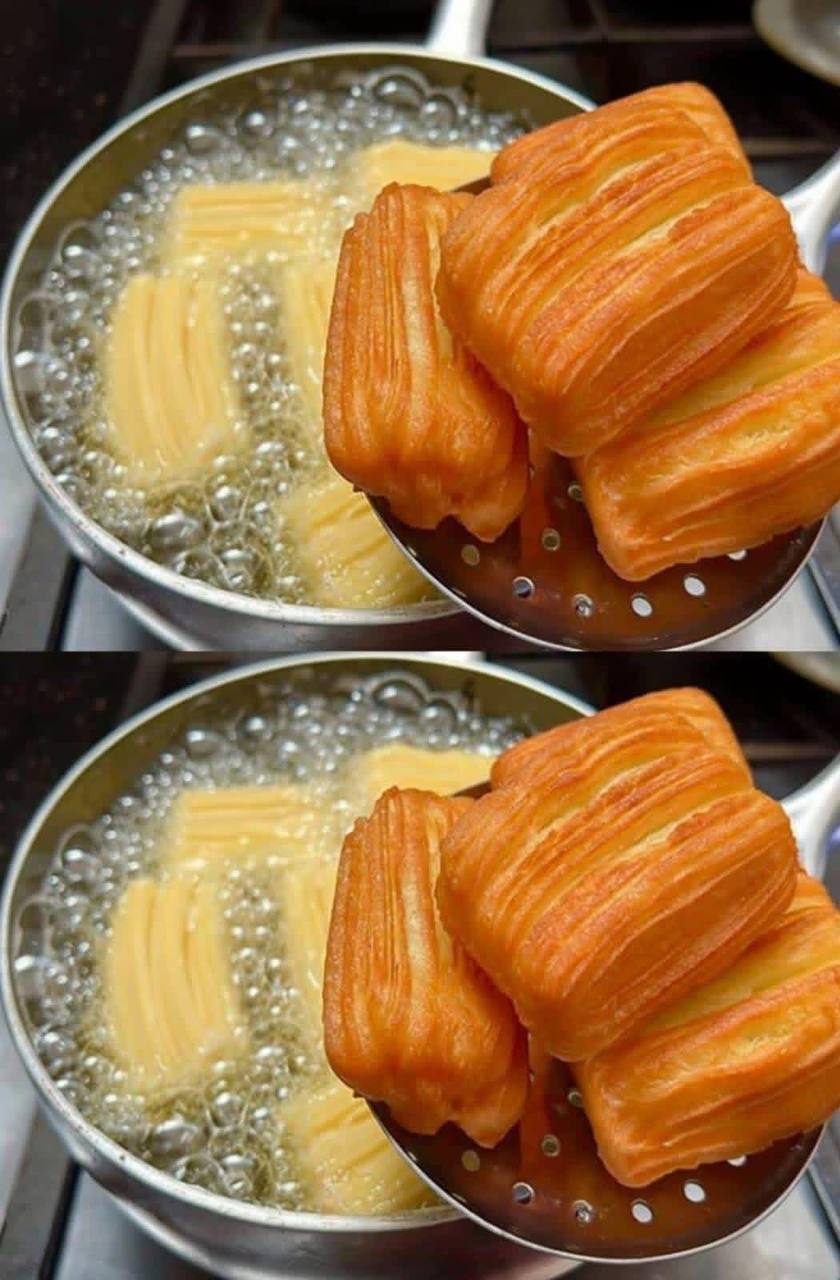
- Fry the Tulumba: Fry the Tulumba for 8-12 minutes, turning them occasionally, until they are evenly golden brown and crispy. The low temperature allows them to puff up and cook thoroughly inside.
- Using a slotted spoon or spider, remove the hot, fried Tulumba from the oil and immediately transfer them into the cold, chilled syrup.
- Let the Tulumba soak in the syrup for at least 5-10 minutes, turning them gently a few times to ensure even absorption.
- Remove the soaked Tulumba from the syrup using a slotted spoon, allowing any excess syrup to drip off.
- Arrange the Tulumba on a serving platter. Garnish with chopped pistachios or shredded coconut if desired.
- Serve immediately or chill for an even more refreshing dessert.
Cooking Tips and Variations
Temperature is Your Best Friend: For the perfect Tulumba, temperature control is paramount. Ensure your syrup is absolutely cold – chilling it for several hours or even overnight is ideal. Conversely, the frying oil should be at a consistent medium-low temperature (around 300-325°F or 150-160°C). Frying at too high a temperature will result in quickly browned exteriors and raw interiors, while too low will make them greasy. Use a candy thermometer for accuracy.
Dough Consistency Matters: The dough should be firm enough to hold its shape when piped but soft enough to extrude easily. If your dough is too stiff after adding the eggs, you might have overcooked it on the stovetop or not added enough egg. If it’s too loose, it won’t hold its shape. The optional semolina and cornstarch help achieve a crisper texture, so don’t skip them if you want that extra crunch.
Don’t Overcrowd the Pot: Fry Tulumba in small batches. Overcrowding the frying oil will drop its temperature significantly, leading to greasy, soft Tulumba. Give each piece enough space to cook evenly and become perfectly golden.
Immediate Soaking is Key: The moment the Tulumba come out of the hot oil, they must go directly into the cold syrup. The thermal shock is what helps them absorb the maximum amount of syrup while retaining their delightful crispness.
Piping Technique: If you don’t have a pastry bag and star tip, you can try using a sturdy zip-top bag with a corner snipped off, though the star tip gives the characteristic ridges. You can also use a small ice cream scoop or two spoons to drop dough into the oil for a more rustic, irregular shape, similar to lokma or loukoumades.
Syrup Variations: Experiment with your syrup flavorings! Instead of or in addition to vanilla and orange blossom water, consider adding a cinnamon stick, a few cardamom pods, or strips of orange peel to the syrup as it simmers for a different aromatic profile. For a richer, darker syrup, you can substitute a small amount of honey for some of the sugar.
Dough Flavorings: A pinch of ground mastic or mahlab can be added to the dough for a more traditional Middle Eastern flavor, offering a unique, resinous aroma that pairs beautifully with the sweet syrup.
Serving Suggestions: While delicious on their own, Tulumba are often served with a dollop of kaymak (clotted cream) or a scoop of vanilla ice cream in some regions. A sprinkle of chopped nuts like pistachios, walnuts, or almonds is also a classic garnish.
Preventing Soggy Tulumba: The main culprits for soggy Tulumba are warm syrup, not cooking the dough enough on the stovetop, or frying at too low a temperature. Ensure your dough is well-cooked, your oil is at the right temperature, and your syrup is ice-cold.
Storage and Reheating
Storage: Tulumba are best enjoyed fresh on the day they are made, while their crispness is at its peak. However, if you have leftovers, store them in an airtight container in the refrigerator for up to 3-4 days. Over time, the dough will soften as it continues to absorb the syrup, but they will still be delicious.
Reheating: Reheating Tulumba can be tricky if you want to restore their original crispness. They generally do not reheat well in a way that fully recaptures their freshly fried texture. However, if you wish to warm them slightly, you can place them on a baking sheet and heat them in a preheated oven at 300°F (150°C) for 5-7 minutes. This will warm them through, but they will not regain their initial crispness. Alternatively, enjoy them chilled directly from the refrigerator; many find them equally delightful this way, especially on a hot day. Avoid microwaving, as this will make them soft and chewy.
Frequently Asked Questions
What is the difference between Tulumba and Churros?
While both Tulumba and churros are fried dough desserts piped into shapes, they have distinct differences. Tulumba dough is typically cooked on the stovetop before frying, similar to choux pastry, and is always soaked in a cold, sweet syrup after frying. Churro dough is usually uncooked before frying and is typically coated in cinnamon sugar or served with a dipping sauce like chocolate, rather than being soaked in syrup.
Can I make Tulumba gluten-free?
Making traditional Tulumba gluten-free can be challenging due to the specific properties of wheat flour in creating the choux-like dough. While some recipes attempt it with gluten-free flour blends, the texture and crispness may not be identical to the traditional version. It often requires experimentation with different flour combinations and binders.
Why did my Tulumba turn out soft or soggy?
Several factors can lead to soft or soggy Tulumba. The most common reasons include: the syrup not being cold enough when the hot Tulumba are added, the dough not being cooked sufficiently on the stovetop (not drying it out enough), frying at too low a temperature (which makes them absorb too much oil), or overcrowding the frying pot. Ensure you follow the temperature guidelines carefully for both the oil and the syrup, and properly cook the dough.
How can I make my Tulumba extra crispy?
To achieve extra crispy Tulumba, ensure you include the optional fine semolina and cornstarch in your dough mixture, as these ingredients contribute to a crispier texture. Additionally, make sure your dough is well-dried on the stovetop, and fry them slowly and evenly in oil that is at the correct medium-low temperature. Lastly, plunging them immediately into very cold syrup is crucial for maintaining that crisp exterior.