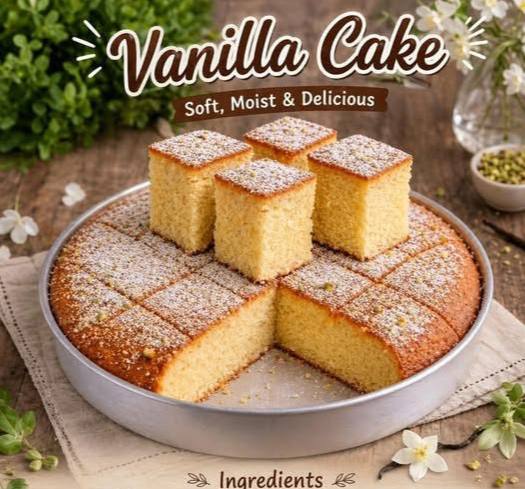
Instructions
- Preheat your oven to 350°F (175°C). Grease and flour a 9×13 inch baking pan, or two 8 or 9-inch round cake pans. If using round pans, you can also line the bottoms with parchment paper for easier removal.
- In a large bowl, whisk together the sifted all-purpose flour, granulated sugar, baking powder, and salt. Make sure these dry ingredients are well combined to ensure even distribution in the cake.
- In a separate medium bowl, or the bowl of a stand mixer fitted with the paddle attachment, cream the softened unsalted butter until it is light and fluffy. This typically takes about 2-3 minutes on medium speed.
- Add the eggs one at a time to the creamed butter, beating well after each addition. Scrape down the sides of the bowl as needed to ensure everything is incorporated. The mixture should be smooth and emulsified.
- In a small bowl, combine the whole milk and pure vanilla extract.
- Alternately add the dry ingredient mixture and the milk mixture to the butter-egg mixture, beginning and ending with the dry ingredients. Start by adding about one-third of the dry ingredients to the wet ingredients and mix on low speed until just combined.
- Next, add half of the milk mixture and mix until just combined. Repeat with another third of the dry ingredients, then the remaining milk, and finally the last third of the dry ingredients. Be careful not to overmix the batter. Overmixing develops the gluten in the flour, which can lead to a tough cake. Mix only until the ingredients are just incorporated and no streaks of flour remain. The batter should be smooth and creamy.
- Pour the cake batter evenly into your prepared baking pan(s). Gently tap the pan(s) on the counter a few times to release any large air bubbles.
- Bake for 30-35 minutes for a 9×13 inch cake, or 25-30 minutes for round cake pans, or until a wooden skewer or toothpick inserted into the center of the cake comes out clean or with only a few moist crumbs attached. The top should be golden brown and spring back when lightly touched.
- Once baked, remove the cake(s) from the oven and let them cool in the pan(s) on a wire rack for about 10-15 minutes. This allows the cake to set and prevents it from breaking when inverted.
- After 10-15 minutes, carefully invert the cake(s) onto the wire rack to cool completely. If using round pans with parchment paper, gently peel off the parchment. Ensure the cake is completely cool before dusting with powdered sugar, frosting, or serving. Cooling completely prevents frosting from melting and makes the cake easier to handle and slice.
Cooking Tips and Variations
For the best vanilla cake, always use room temperature ingredients. This ensures that the butter and eggs emulsify properly, creating a smooth batter and a tender crumb. Cold ingredients can lead to a lumpy batter and a denser cake. Don’t overmix the batter once the flour is added; mix just until combined. Overmixing develops gluten, which can make your cake tough. A light hand and gentle folding are key. To check for doneness, insert a wooden skewer or toothpick into the center of the cake. If it comes out clean or with a few moist crumbs, your cake is ready. If it’s wet, continue baking for a few more minutes and check again.
Enhance the vanilla flavor by using high-quality pure vanilla extract, or even better, a combination of vanilla extract and vanilla bean paste. The tiny specks of vanilla bean add a beautiful visual appeal and a more complex flavor profile. For a citrusy twist, add 1-2 teaspoons of lemon or orange zest to the batter. This brightens the flavor without overpowering the vanilla. For a richer cake, you can substitute half of the milk with sour cream or buttermilk. The acidity in these ingredients helps to tenderize the crumb and add moisture. To make a chocolate chip vanilla cake, gently fold 1 cup of mini chocolate chips into the batter just before pouring it into the pan.
If you’re making a layer cake, ensure your cake layers are level. You can use a serrated knife or a cake leveling tool to trim the domed tops for a professional finish. For a truly decadent experience, consider filling your cake with fruit compote or a ganache before frosting. A simple dusting of powdered sugar is elegant, but a classic vanilla buttercream, cream cheese frosting, or even a rich chocolate ganache would be divine. Fresh berries or edible flowers can add a beautiful touch for serving.
Storage and Reheating
To store leftover vanilla cake, ensure it is completely cooled. Place the cake in an airtight container at room temperature for up to 3 days. If your kitchen is particularly warm or humid, or if the cake has a perishable frosting (like cream cheese frosting), it’s best to store it in the refrigerator. In the refrigerator, the cake will last for up to 1 week. Make sure it’s well-covered to prevent it from drying out or absorbing odors from other foods.
For longer storage, vanilla cake freezes beautifully. Once the cake is completely cool, wrap individual slices or the entire unfrosted cake tightly in plastic wrap, then wrap again with aluminum foil. This double layer of protection prevents freezer burn. Store in the freezer for up to 2 months. When you’re ready to enjoy it, thaw the cake overnight in the refrigerator, then bring it to room temperature before serving for the best texture and flavor. If the cake is frosted, it’s generally best to freeze it unfrosted and then frost it after thawing, as some frostings can change texture when frozen and thawed.
Frequently Asked Questions
Why did my vanilla cake turn out dry?
A dry cake is often the result of overbaking or overmixing the batter. Overbaking removes too much moisture, while overmixing develops gluten, leading to a tough, dry texture. Ensure you measure ingredients accurately, especially flour, and watch your baking time carefully, checking for doneness with a toothpick. Using room temperature ingredients also helps create a more tender and moist crumb.
Can I substitute ingredients in this recipe?
While baking is a science, some substitutions are possible. For milk, you can use buttermilk or sour cream for a tangier, more moist cake. For butter, some recipes allow for oil, but butter provides superior flavor and texture in a classic vanilla cake. For flour, a 1:1 gluten-free baking blend can often be used, though results may vary slightly. Always use pure vanilla extract for the best flavor, avoiding artificial vanilla essence.
How can I make my cake rise higher?
Several factors contribute to a good rise. Ensure your baking powder is fresh and active (test by mixing a small amount with hot water – it should fizz). Creaming the butter and sugar thoroughly incorporates air, which helps with lift. Avoid overmixing the batter once flour is added, as this can deflate the air bubbles. Finally, make sure your oven is preheated to the correct temperature, as a cold oven can hinder rising.
What’s the best way to frost this cake?
Before frosting, ensure your cake is completely cooled. A warm cake will melt the frosting. For a smooth finish, apply a thin “crumb coat” of frosting first to trap any loose crumbs, then chill the cake for 15-20 minutes before applying the final, thicker layer of frosting. A classic vanilla buttercream or a tangy cream cheese frosting are both excellent choices for this cake.