Introduction
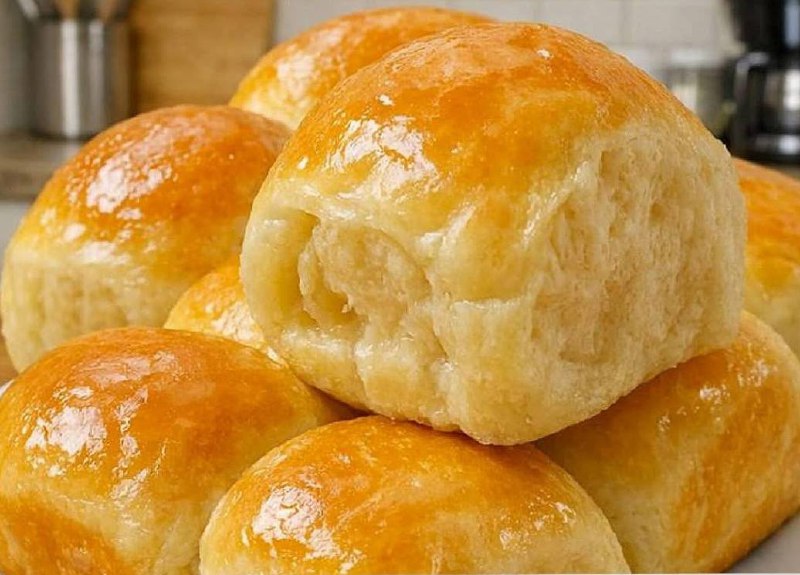
Imagine the aroma of freshly baked bread wafting through your home, promising warmth, comfort, and pure deliciousness. Now, imagine achieving that dream with minimal effort, in what feels like mere minutes of active work. Sounds too good to be true, right? Prepare to have your mind, and your taste buds, blown away by our “2 Mins Mixing Condensed Milk Bread” – a recipe designed to deliver unbelievably soft, fluffy, and utterly irresistible bread rolls without the usual fuss and lengthy kneading sessions. This isn’t just another bread recipe; it’s a revelation for anyone who loves homemade goodness but dreads the time commitment.
This remarkable bread stands out for its extraordinary texture and subtly sweet, rich flavor profile, all thanks to the star ingredient: condensed milk. Far from being a mere sweetener, condensed milk acts as a magical tenderizer, infusing the dough with moisture and a delicate sweetness that makes each bite melt in your mouth. The “2 Mins Mixing” isn’t a gimmick; it’s a testament to a clever method that leverages the power of gentle mixing and proper rising, bypassing the need for strenuous kneading. The result? Pillowy-soft rolls with a beautiful golden crust that are perfect for any occasion, from a comforting breakfast to a delightful snack, or even as an accompaniment to your favorite savory dishes.
Whether you’re a seasoned baker or a complete novice intimidated by yeast, this recipe is your golden ticket to homemade bread success. We promise a super soft, incredibly fluffy, and delightfully easy bread that will become a staple in your kitchen. Get ready to impress yourself and everyone lucky enough to try these heavenly condensed milk bread rolls. Let’s dive into the magic!
Nutritional Information
Per serving (approximate values, based on 16 rolls):
- Calories: 250 kcal
- Protein: 7g
- Carbohydrates: 45g
- Fat: 5g
- Fiber: 2g
- Sodium: 220mg
Ingredients
- 1 cup (240ml) warm water (105-115°F / 40-46°C)
- 2 ¼ teaspoons (1 standard packet) active dry yeast
- ¼ cup (50g) granulated sugar, plus a pinch for yeast
- ½ cup (120ml) sweetened condensed milk
- ¼ cup (60ml) vegetable oil, or melted unsalted butter
- 1 large egg, at room temperature
- 1 teaspoon salt
- 3 ½ to 4 cups (420-480g) all-purpose flour, plus more for dusting
- Optional: 1 tablespoon melted butter for brushing after baking
Instructions
- In a large mixing bowl, combine the warm water, yeast, and a pinch of granulated sugar. Stir gently and let it sit for 5-10 minutes until the mixture becomes foamy and bubbly, indicating the yeast is active. If it doesn’t foam, your yeast may be old or the water temperature was incorrect; start over with fresh yeast.
- Once the yeast is active, add the remaining ¼ cup (50g) granulated sugar, sweetened condensed milk, vegetable oil (or melted butter), and the room temperature egg to the yeast mixture. Whisk everything together until well combined and smooth.
- In a separate bowl, whisk together 3 ½ cups (420g) of all-purpose flour and the salt.
- Gradually add the dry ingredients to the wet ingredients, mixing with a wooden spoon or a sturdy spatula. Mix just until the flour is incorporated and a shaggy, slightly sticky dough forms. This is your “2 minutes mixing” – avoid overmixing. If the dough is too sticky to handle, add the remaining ½ cup of flour, one tablespoon at a time, until it pulls away from the sides of the bowl but is still very soft and pliable.
- Cover the bowl with plastic wrap or a clean kitchen towel and place it in a warm, draft-free spot for the first rise (bulk fermentation). Let it rise for 1 to 1.5 hours, or until the dough has doubled in size.
- Once doubled, gently punch down the dough to release the air. Lightly flour your work surface and turn the dough out. Divide the dough into 12-16 equal pieces, depending on your desired roll size.
- Take each piece of dough and shape it into a smooth, round ball. You can do this by gently tucking the edges underneath to create tension on the top surface, or by rolling it between your palm and the work surface in a circular motion.
- Arrange the shaped rolls in a greased 9×13 inch baking pan, leaving a little space between each roll as they will expand.
- Cover the pan loosely with plastic wrap or a clean kitchen towel and let the rolls rise again in a warm place for the second rise (proofing) for 30-45 minutes, or until they look visibly puffy and have nearly doubled in size.
- Preheat your oven to 375°F (190°C) during the last 15 minutes of the second rise.
- Bake the rolls in the preheated oven for 20-25 minutes, or until they are beautifully golden brown on top and cooked through. If the tops are browning too quickly, you can loosely tent the pan with aluminum foil.
- Once baked, remove the pan from the oven. For extra shine and softness, immediately brush the tops of the hot rolls with 1 tablespoon of melted butter (if using).
- Let the bread rolls cool in the pan for a few minutes before transferring them to a wire rack to cool completely. Serve warm and enjoy your super soft and fluffy condensed milk bread!
Cooking Tips and Variations
To ensure your condensed milk bread turns out perfect every time, here are some invaluable tips. First and foremost, pay close attention to your yeast. Ensure your water is warm, not hot, to activate it properly, and if your yeast doesn’t foam, it’s best to start again. Using room temperature ingredients, especially the egg and condensed milk, helps the dough come together more smoothly and rise more evenly. When it comes to the “2 minutes mixing,” remember the goal is just to combine the ingredients; overmixing will develop too much gluten, which can make your bread tough instead of tender. The dough should remain soft and slightly sticky. Don’t be afraid to adjust the flour amount slightly – humidity can affect how much flour your dough needs.
For the rising stages, a warm, draft-free environment is key. A turned-off oven with the light on, or a sunny spot, works wonderfully. To achieve that gorgeous golden-brown crust, you can brush the rolls with an egg wash (1 egg yolk whisked with 1 tablespoon of milk) before baking for a deeper color and shine, or a simple milk wash for a softer crust. A light brushing of melted butter immediately after baking also contributes to shine and incredible softness. To keep your rolls from drying out while cooling, place a clean kitchen towel over them on the wire rack.
This recipe is also incredibly versatile! For a delightful twist, consider adding some mix-ins to the dough after the first rise. Chocolate chips, raisins, dried cranberries, or even a sprinkle of cinnamon can transform these into a sweet treat. For a slightly less sweet version, you can reduce the granulated sugar by half, letting the condensed milk provide the primary sweetness. If you don’t have all-purpose flour, bread flour will work, but it might make the rolls a bit chewier due to its higher protein content. You can also experiment with different shapes; instead of rolls, try baking the dough in a loaf pan for a delicious sandwich bread. For a savory take, reduce the sugar significantly and add herbs like rosemary or garlic powder to the dough, serving it alongside soups or stews. The possibilities are endless once you master this simple, super soft base!
Storage and Reheating
Proper storage is key to maintaining the incredible softness and freshness of your condensed milk bread. Once the rolls have completely cooled, transfer them to an airtight container or a resealable plastic bag. Stored at room temperature, they will stay wonderfully soft and fresh for 2-3 days. Avoid refrigerating the bread, as the cold temperature can actually cause it to dry out and become stale more quickly. If you need to store them for a longer period, these rolls freeze beautifully. Place the cooled rolls in a freezer-safe bag or container, removing as much air as possible, and they will keep well for up to 2-3 months.
When it comes to reheating, there are a few excellent methods to bring your rolls back to their freshly baked glory. If reheating from room temperature, you can simply pop them in the microwave for 15-30 seconds per roll, or until warm and soft. Be careful not to overheat, as this can make them tough. For a crisper exterior and warm, soft interior, you can reheat them in a preheated oven at 300°F (150°C) for 5-10 minutes. If reheating from frozen, there’s no need to thaw them first. You can place the frozen rolls directly into a preheated oven at 300°F (150°C) for 10-15 minutes, or until heated through. Alternatively, microwave frozen rolls for 30-60 seconds, or until defrosted and warm, checking frequently to prevent overcooking. A quick brush with melted butter before reheating can also enhance their flavor and texture. Enjoy your perfectly reheated, super soft bread!
Frequently Asked Questions
Why is my bread not rising?
The most common reasons for bread not rising are inactive yeast or incorrect liquid temperature. Ensure your warm water is between 105-115°F (40-46°C). Water that’s too hot will kill the yeast, and water that’s too cold won’t activate it. Always check for foaminess after the initial yeast activation step; if it doesn’t foam, your yeast is likely dead, and you’ll need to start with fresh yeast.
Can I make this bread in a stand mixer?
Absolutely! While the recipe is designed for hand mixing, a stand mixer with a paddle attachment (or dough hook for a slightly longer mix) can certainly be used. Mix on low speed just until the ingredients are combined and a soft, shaggy dough forms, still adhering to the “2 minutes mixing” principle to avoid overdeveloping the gluten for this specific soft bread.
What if I don’t have condensed milk?
Condensed milk is a key ingredient for the specific sweetness and incredible softness of this recipe. While you can technically substitute it with a combination of milk and sugar (e.g., 1/2 cup milk + 1/4 cup sugar), the texture and unique flavor profile will be different. The condensed milk provides a richness and moistness that is hard to replicate exactly with other ingredients.
How can I tell if my bread is fully baked?
Your bread rolls are fully baked when they have a beautiful golden-brown crust. You can also tap the bottom of a roll; if it sounds hollow, it’s likely done. For the most accurate measure, an instant-read thermometer inserted into the center of a roll should register an internal temperature of 190-200°F (88-93°C).