Introduction
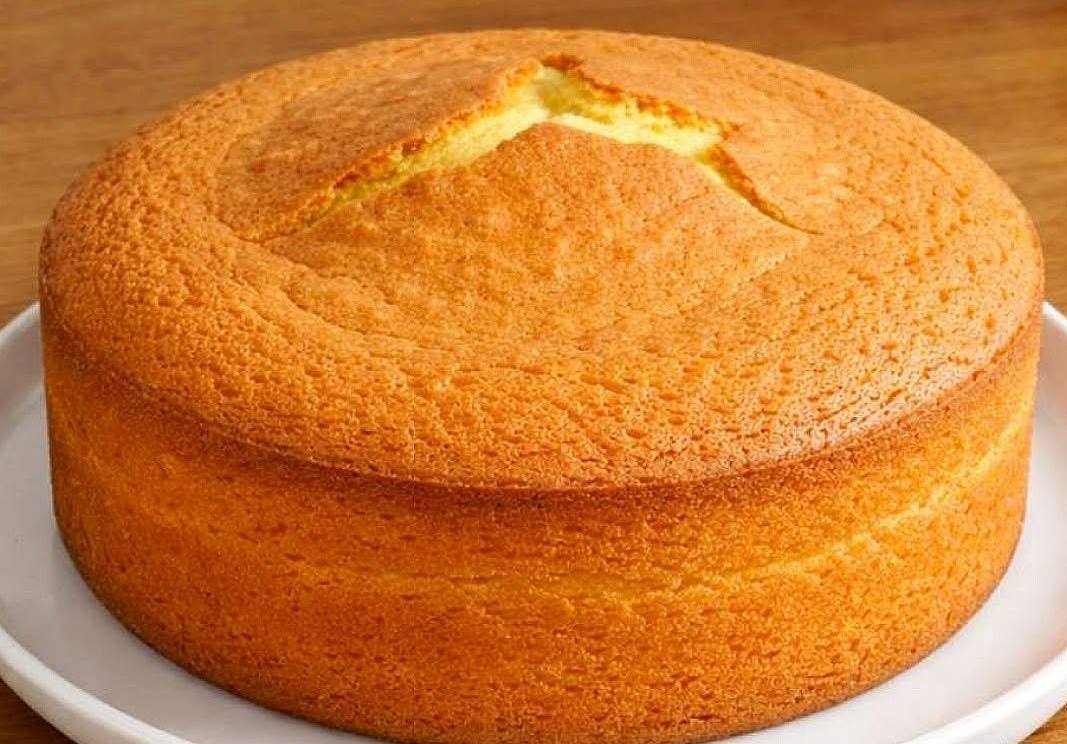
Imagine the delightful aroma of a freshly baked cake filling your kitchen, a golden-brown masterpiece ready to be devoured. Now imagine achieving that bliss with just three simple ingredients. Sounds like magic, right? Welcome to the wonderful world of the 3-Ingredient Sponge Cake, a recipe so deceptively easy, it feels like cheating. This isn’t just any cake; it’s a testament to the beauty of culinary simplicity, proving that you don’t need a pantry full of exotic items to create something truly delicious.
What exactly is a 3-ingredient sponge cake? At its heart, it’s a marvel of baking science, relying primarily on the power of perfectly whipped eggs to create its signature light, airy, and incredibly tender crumb. Combined with sugar for sweetness and structure, and self-rising flour for its gentle lift, these three humble components transform into a cake that’s surprisingly sophisticated. It’s a foundational recipe that every home baker, from the absolute beginner to the seasoned pro, should have in their repertoire.
This recipe isn’t just easy to make; it’s a game-changer for quick desserts, last-minute celebrations, or simply satisfying that sudden cake craving. Its versatility is unmatched – light enough to be enjoyed on its own with a dusting of powdered sugar, yet sturdy enough to serve as a perfect canvas for fresh berries, whipped cream, or a drizzle of chocolate. Minimal cleanup, maximum flavor, and an unbelievably fluffy texture make this your new go-to simple cake. Prepare to be amazed by how much deliciousness can come from so little!
Nutritional Information
Per serving (approximate values for 1/8th of a 9-inch cake):
- Calories: 220 calories
- Protein: 5g
- Carbohydrates: 40g
- Fat: 4g
- Fiber: 1g
- Sodium: 150mg
Ingredients
- 4 large eggs (at room temperature)
- 1/2 cup (100g) granulated sugar
- 1 cup (120g) self-rising flour (sifted)
Instructions
- Prepare Your Pan: Preheat your oven to 350°F (175°C). Grease an 8 or 9-inch round cake pan thoroughly. Line the bottom with parchment paper, then grease and flour the parchment paper and sides of the pan. This meticulous preparation is key to preventing sticking and ensuring an easy release.
- Whip the Eggs and Sugar: In a large mixing bowl, combine the room temperature eggs and granulated sugar. Using an electric mixer (either a stand mixer with a whisk attachment or a hand-held mixer), beat the mixture on high speed for 7-10 minutes. This step is absolutely critical. You are looking for the mixture to become very pale yellow, thick, and almost triple in volume. When you lift the whisk, the batter should fall back into the bowl in a thick ribbon that holds its shape on the surface for a few seconds before dissolving. This is known as the “ribbon stage” and indicates that enough air has been incorporated, which is the primary leavening for this cake.
- Gently Fold in the Flour: Sift the self-rising flour over the egg mixture in two additions. Using a large spatula, very gently fold the flour into the egg mixture. Use a cutting motion, bringing the spatula down through the center, across the bottom, and up the side of the bowl, turning the bowl as you go. Be careful not to overmix, as this will deflate all the air you’ve worked so hard to incorporate. Fold just until no streaks of flour remain. The batter will be light and airy.
- Pour and Bake: Carefully pour the batter into your prepared cake pan. Gently tap the pan on the counter a couple of times to release any large air bubbles.
- Bake to Golden Perfection: Transfer the cake pan to the preheated oven. Bake for 25-30 minutes, or until the cake is golden brown, springs back when lightly touched in the center, and a wooden skewer or toothpick inserted into the center comes out clean. Avoid opening the oven door too early, especially during the first 20 minutes, as this can cause the cake to sink.
- Cooling Process: Once baked, remove the cake from the oven and let it cool in the pan on a wire rack for about 5-10 minutes. This allows the cake to set and firm up slightly.
- Invert and Finish Cooling: After 5-10 minutes, carefully invert the cake onto the wire rack, remove the pan, and peel off the parchment paper. Let the cake cool completely on the wire rack before slicing or decorating. This prevents it from crumbling and ensures a clean cut.
Cooking Tips and Variations
Achieving a perfect 3-ingredient sponge cake relies heavily on technique, especially given the minimal ingredient list. Here are some essential tips to ensure your success and some simple variations to try:
- Room Temperature Eggs are Non-Negotiable: Cold eggs do not whip up as high or as quickly as room temperature eggs. For best results, take your eggs out of the refrigerator at least 30 minutes before you plan to start baking, or place them in a bowl of warm (not hot) water for 5-10 minutes.
- Don’t Skimp on Whipping Time: The “ribbon stage” is the most crucial part of this recipe. If your egg and sugar mixture isn’t thick, pale, and holding its shape, your cake won’t rise properly and will be dense. Use an electric mixer; hand-whipping is extremely difficult to achieve the necessary volume.
- Gentle Folding is Key: Once the flour is added, every movement should be gentle. Overmixing will deflate the air bubbles you’ve painstakingly created, resulting in a tough, flat cake. Use a large spatula and incorporate the flour with as few strokes as possible, just until no dry streaks remain.
- Accurate Oven Temperature: An oven thermometer is a baker’s best friend. Ensure your oven is accurately preheated to 350°F (175°C) to ensure even baking and proper rise. An oven that’s too cool will cause the cake to sink, while one that’s too hot might dry it out or burn the exterior before the inside is cooked.
- Proper Pan Preparation: Don’t skip the greasing, parchment paper, and flouring steps. Sponge cakes, being delicate, are prone to sticking. This thorough preparation ensures your beautiful cake releases easily from the pan.
- Resist the Urge to Peek: Opening the oven door too early, especially during the first two-thirds of the baking time, can cause a sudden temperature drop and make your cake collapse. Trust the process and your oven.
- Flavor Boosts (Without Breaking the “3-Ingredient” Rule Too Much): While the core is three ingredients, a few drops of vanilla extract (1 teaspoon) or a pinch of salt can significantly enhance the flavor without adding another “major” ingredient. You could also fold in a teaspoon of lemon zest with the flour for a bright, citrusy note.
- Make Your Own Self-Rising Flour: If you don’t have self-rising flour, you can easily make your own. For every 1 cup of all-purpose flour, add 1 1/2 teaspoons of baking powder and 1/4 teaspoon of fine salt. Sift them together thoroughly before using. This technically adds more “ingredients” but uses pantry staples.
- Vary the Pan Size: While an 8 or 9-inch round pan is standard, you can bake this in other pans. A square 8×8-inch pan will work, potentially slightly reducing baking time. For cupcakes, fill liners about two-thirds full and bake for 15-20 minutes.
Storage and Reheating
A fresh sponge cake is a delight, and proper storage ensures its delicate texture is preserved for as long as possible.
- Room Temperature: If the cake is unfrosted or simply dusted with powdered sugar, it can be stored at room temperature for 2-3 days. Place it in an airtight container or cover it loosely with plastic wrap to prevent it from drying out.
- Refrigeration: If your cake is frosted with a perishable topping (like whipped cream or fresh fruit), it should be stored in an airtight container in the refrigerator. It will keep well for up to 3-4 days. Note that refrigeration can slightly alter the texture of sponge cake, making it a little firmer.
- Freezing: Sponge cake freezes beautifully! Once completely cooled, wrap the unfrosted cake tightly in plastic wrap, then an additional layer of aluminum foil. You can freeze the whole cake or individual slices. It will keep in the freezer for up to 2-3 months.
- Reheating (from frozen): To thaw, simply unwrap the frozen cake (or slices) and let it come to room temperature on a wire rack. This usually takes a few hours for a whole cake or about an hour for slices. Avoid microwaving, as it can make the cake rubbery.
Frequently Asked Questions
Why did my cake sink in the middle?
There are a few common culprits for a sunken cake: under-whipped eggs (not enough air incorporated), overmixing the flour (deflating the air), opening the oven door too early during baking, or an oven temperature that is too low. Ensure your eggs are at room temperature and whipped to a very thick, pale ribbon stage, and be gentle when folding in the flour.
Can I add vanilla extract or other flavorings?
Absolutely! While the core is three ingredients, a teaspoon of vanilla extract or a bit of lemon zest won’t fundamentally change the recipe’s simplicity and will enhance the flavor. Add vanilla extract to the egg and sugar mixture before whipping, and zest can be folded in with the flour.
My cake stuck to the pan, what went wrong?
This is almost always due to insufficient pan preparation. For a delicate sponge cake, you need to grease the pan thoroughly, line the bottom with parchment paper, and then grease and flour the parchment paper and the sides of the pan. This creates a non-stick barrier that prevents the cake from adhering.
Can I make this cake gluten-free?
While this specific recipe relies on the properties of self-rising wheat flour, you might be able to adapt it using a gluten-free self-rising flour blend. However, results can vary significantly with gluten-free flours, as they behave differently than wheat flour. Experimentation would be necessary, and you might need to adjust liquid or leavening agents.