Introduction
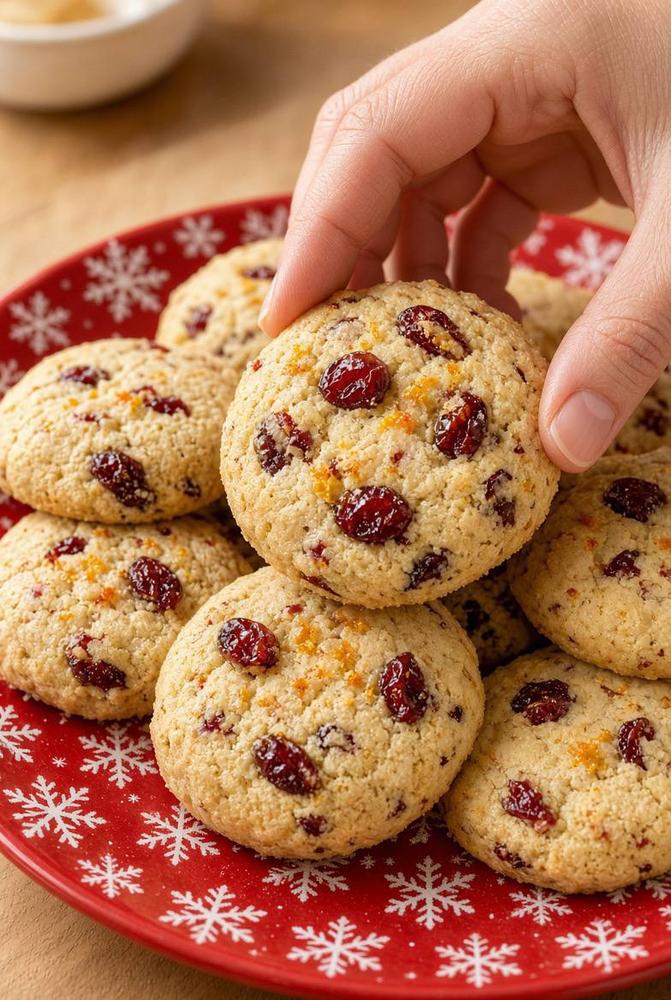
There are few cookies as universally beloved as classic shortbread. Its tender, buttery crumb, and melt-in-your-mouth texture evoke a sense of comforting nostalgia with every bite. But what if you could take that timeless perfection and infuse it with a vibrant, zesty twist? Enter Cranberry Orange Shortbread Cookies – a delightful evolution that brings bright, festive flavors to an old favorite, making it utterly irresistible.
These aren’t just any shortbread cookies; they’re a celebration of contrasting yet harmonious tastes. The rich, creamy notes of butter are perfectly balanced by the tart, chewy burst of dried cranberries, while fragrant orange zest adds a sunny, aromatic lift that brightens the entire experience. This combination transforms a simple treat into something truly special, perfect for brightening up a holiday cookie platter, accompanying an afternoon cup of tea, or simply enjoying as a well-deserved sweet indulgence. Best of all, they’re surprisingly simple to make, proving that extraordinary flavor doesn’t have to mean complicated baking.
Whether you’re an experienced baker or just starting your culinary journey, these Cranberry Orange Shortbread Cookies are designed for success. Their straightforward preparation and minimal ingredient list make them an ideal choice for a quick baking project, a thoughtful homemade gift, or a delicious addition to any gathering. Prepare to fall in love with the way these vibrant flavors dance together, creating a cookie that’s both elegantly simple and wonderfully complex.
Nutritional Information
Per serving (approximate values for 1 cookie, assuming 24 cookies per batch):
- Calories: 150-180
- Protein: 1-2g
- Carbohydrates: 20-25g
- Fat: 8-12g
- Fiber: 1-2g
- Sodium: 50-70mg
Ingredients
- 1 cup (2 sticks) unsalted butter, softened
- 1/2 cup granulated sugar
- 2 cups all-purpose flour
- 1/2 teaspoon salt
- 1 tablespoon orange zest (from 1 large orange)
- 1/2 cup dried cranberries, finely chopped
- 1 teaspoon vanilla extract (optional, but recommended)
Instructions
- Preheat your oven to 325°F (160°C). Line two baking sheets with parchment paper or silicone baking mats.
- In a large mixing bowl, using an electric mixer (stand or handheld) or a sturdy spatula, cream together the softened unsalted butter and granulated sugar until the mixture is light, fluffy, and pale in color. This usually takes about 2-3 minutes.
- Add the orange zest and vanilla extract (if using) to the creamed butter and sugar mixture. Mix until well combined and fragrant.
- In a separate bowl, whisk together the all-purpose flour and salt.
- Gradually add the flour mixture to the wet ingredients, mixing on low speed or by hand until just combined. Be careful not to overmix; stop as soon as a crumbly dough forms. Overmixing can lead to tough shortbread.
- Gently fold in the finely chopped dried cranberries until they are evenly distributed throughout the dough.
- Scoop the dough using a small cookie scoop (about 1.5 tablespoons) or roll by hand into 1-inch to 1.5-inch balls. Place the dough balls about 1.5-2 inches apart on the prepared baking sheets. Lightly flatten the tops of each cookie slightly with the palm of your hand or the back of a spoon if desired, though they will naturally spread a little.
- Bake for 12-15 minutes, or until the edges are lightly golden and the centers appear set and pale. The exact baking time may vary depending on your oven and the size of your cookies. For even baking, you can rotate the baking sheets halfway through the baking time.
- Remove the baking sheets from the oven and let the cookies cool on the sheets for about 5 minutes. This allows them to firm up before transferring.
- Carefully transfer the cooled cookies to a wire rack to cool completely.
Cooking Tips and Variations
Achieving perfect shortbread is all about technique and good ingredients. For the best Cranberry Orange Shortbread, always start with high-quality unsalted butter. Ensure your butter is truly at room temperature – soft enough to indent with a finger but not greasy or melted. This is crucial for proper creaming, which incorporates air and contributes to that signature tender texture. When adding the flour, mix until just combined; overmixing develops the gluten, resulting in a tougher cookie. For a richer flavor, consider browning a portion of your butter before chilling and creaming it (ensure it’s cooled to room temperature before creaming). This adds a nutty depth that complements the orange and cranberry beautifully.
Chilling the dough is an optional but highly recommended step, especially if you find your cookies spreading too much. A 30-minute chill in the refrigerator can help the butter firm up, leading to cookies that hold their shape better and have a more defined crumb. For perfectly uniform cookies, use a cookie scoop. If you don’t have one, rolling the dough into a log, chilling it, and then slicing it into rounds is another great method for consistent shapes and sizes. Don’t grease your baking sheets; the butter in the shortbread is sufficient, and parchment paper prevents sticking and aids in easy cleanup.
These Cranberry Orange Shortbread Cookies are wonderfully versatile. If you’re a fan of other citrus, lemon zest or even grapefruit zest can be substituted for the orange, offering a different but equally delightful bright note. Experiment with other dried fruits like chopped dried cherries, blueberries, or golden raisins for varied textures and flavors. For an added crunch, fold in a quarter cup of finely chopped pecans or walnuts with the cranberries. A simple glaze can elevate these cookies for a more elegant presentation: whisk together powdered sugar with a little fresh orange juice until smooth, then drizzle over the cooled cookies. For a decadent touch, a drizzle of melted white chocolate or dark chocolate would also be exquisite, creating beautiful visual contrast and an extra layer of sweetness.
Storage and Reheating
Cranberry Orange Shortbread Cookies are excellent for making ahead and storing, making them a perfect treat for busy times or holiday gifting. Once completely cooled, store the cookies in an airtight container at room temperature for up to 5-7 days. To maintain their crispness, you can place a piece of parchment paper between layers of cookies in the container. Avoid storing them in humid environments, as this can make them soft.
For longer storage, these shortbread cookies freeze beautifully. Once completely cooled, arrange them in a single layer on a baking sheet and freeze until solid (about 1-2 hours). Then, transfer the frozen cookies to a freezer-safe airtight container or heavy-duty freezer bag, separating layers with parchment paper to prevent sticking. They can be stored in the freezer for up to 2-3 months. To enjoy, simply thaw them at room temperature for about 15-30 minutes. There’s no need to reheat them; shortbread is typically enjoyed at room temperature.
You can also freeze the unbaked dough. Roll the dough into a log, wrap it tightly in plastic wrap, and then in foil. Store in the freezer for up to 2 months. When ready to bake, thaw the log slightly in the refrigerator for about 30 minutes, then slice into rounds and bake as directed, adding a few extra minutes to the baking time if needed.
Frequently Asked Questions
What makes shortbread different from other butter cookies?
Shortbread is characterized by its high butter content and lack of leavening agents like baking powder or baking soda. This results in a dense, tender, and crumbly texture that literally “shortens” the gluten strands, hence the name. Other butter cookies often contain eggs and leavening, giving them a lighter, chewier, or crispier texture.
Can I use fresh cranberries instead of dried?
While dried cranberries work best for their concentrated flavor and chewy texture, you can use fresh cranberries. If using fresh, chop them finely and consider tossing them lightly in a teaspoon of flour before adding to the dough to help prevent them from sinking. Be aware that fresh cranberries will add more moisture and a more intense tartness, which might slightly alter the texture and flavor profile.
Why did my shortbread spread too much?
Over-spreading can be caused by several factors. The most common culprits are butter that was too soft or melted when incorporated, insufficient flour, or an oven that isn’t at the correct temperature (too low). Ensuring your butter is just softened (not melted), accurately measuring your flour, and chilling the dough before baking can help prevent excessive spreading.
Can these cookies be made gluten-free?
Yes, you can often adapt shortbread recipes to be gluten-free. Substitute the all-purpose flour with a good quality 1:1 gluten-free baking flour blend that contains xanthan gum. The texture might be slightly different, but the buttery, zesty flavor will still shine through. Always check the specific recommendations for your chosen gluten-free flour blend.