Introduction
Get ready to experience the pure joy of homemade cookies without the usual fuss and mountain of dishes! Our Easy One Bowl Oatmeal Cookies recipe is here to revolutionize your baking routine, proving that deliciousness doesn’t have to come with a side of kitchen chaos. Imagine warm, chewy, and perfectly spiced oatmeal cookies, fresh from the oven, ready to be devoured. This isn’t just a recipe; it’s an invitation to a simpler, more delightful baking experience that yields truly exceptional results.
The beauty of the “one bowl” method lies in its unparalleled convenience. We all love homemade treats, but sometimes the sheer thought of endless mixing bowls, spatulas, and measuring cups can be a deterrent. Not anymore! This recipe streamlines the entire process, allowing you to whip up a batch of these classic cookies in record time, with minimal cleanup afterward. It’s perfect for busy weeknights, impromptu cravings, or when you simply want to enjoy the comforting aroma of freshly baked goods without the stress. You’ll find yourself reaching for this recipe again and again, whether you’re a seasoned baker or just starting your culinary journey.
What can you expect from these cookies? A classic, comforting taste that’s both nostalgic and utterly satisfying. Each bite offers a delightful chewiness from the old-fashioned rolled oats, a hint of sweetness, and that unmistakable warmth that only a homemade oatmeal cookie can provide. They’re robust enough to hold up as a snack, yet delicate enough to melt in your mouth. Perfect for packing in lunchboxes, serving with a tall glass of milk, or enjoying with your morning coffee, these cookies are versatile, crowd-pleasing, and guaranteed to bring smiles. So, grab your mixing bowl, gather your pantry staples, and let’s get ready to bake some golden, chewy perfection!
Nutritional Information
Per serving (approximate values):
- Calories: 185
- Protein: 3g
- Carbohydrates: 25g
- Fat: 9g
- Fiber: 2g
- Sodium: 110mg
Ingredients
- 1/2 cup (113g) unsalted butter, softened
- 1/2 cup (100g) granulated sugar
- 1/2 cup (110g) packed light brown sugar
- 1 large egg, at room temperature
- 1 teaspoon vanilla extract
- 1/2 teaspoon baking soda
- 1/2 teaspoon ground cinnamon
- 1/4 teaspoon salt
- 1 cup (120g) all-purpose flour
- 1 1/2 cups (135g) old-fashioned rolled oats (not instant)
- Optional: 1/2 cup chocolate chips, raisins, or chopped nuts
Instructions
- Preheat your oven to 350°F (175°C). Line a large baking sheet with parchment paper. This will ensure your cookies don’t stick and make cleanup a breeze.
- In a large mixing bowl, add the softened unsalted butter, granulated sugar, and packed light brown sugar. Using an electric mixer (or a sturdy whisk and some elbow grease), beat these ingredients together on medium speed until they are light, fluffy, and well combined, about 2-3 minutes. This creaming process incorporates air, which contributes to the cookies’ texture.
- Crack the large egg into the bowl with the creamed butter and sugars. Add the vanilla extract. Continue to beat on medium speed until the egg is fully incorporated and the mixture is smooth, about 1 minute. Scrape down the sides of the bowl with a rubber spatula to ensure everything is evenly mixed.
- To the wet ingredients in the same bowl, add the baking soda, ground cinnamon, and salt. Mix briefly on low speed, or by hand with a spatula, until these dry leavening and seasoning agents are just combined. This helps distribute them evenly before adding the flour.
- Gradually add the all-purpose flour to the bowl. Mix on low speed, or fold in by hand, until the flour is *just* incorporated. Be careful not to overmix at this stage, as overmixing can develop the gluten in the flour too much, leading to tougher cookies. Stop as soon as no streaks of dry flour remain.
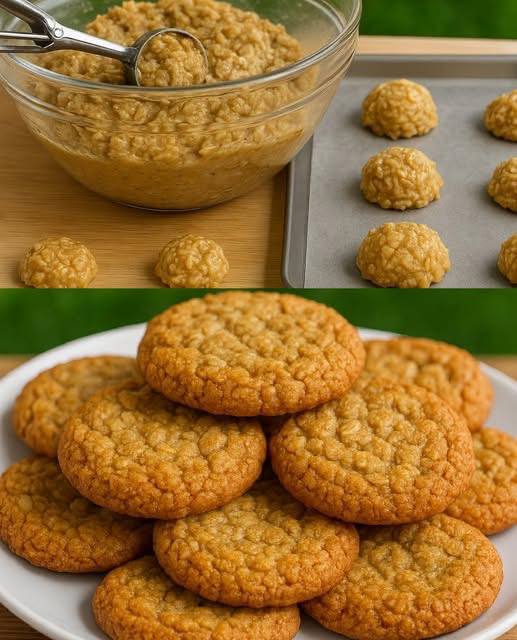
- Finally, add the old-fashioned rolled oats to the dough. If you’re using any optional add-ins like chocolate chips, raisins, or chopped nuts, now is the time to stir them in. Mix on low speed or fold by hand until the oats (and any add-ins) are evenly distributed throughout the dough. Again, avoid overmixing; just combine until everything is uniform. The dough will be thick and slightly sticky, with visible oat texture.
- Using a 1.5-inch cookie scoop (about 1.5 tablespoons) or two spoons, drop rounded balls of dough onto the prepared baking sheet, spacing them about 2 inches apart. Using a scoop helps ensure uniform cookie size, which leads to even baking.
- Bake in the preheated oven for 10-12 minutes. The exact baking time will depend on your oven and the size of your cookies. You’ll know they’re done when the edges are golden brown and set, but the centers still look slightly soft and puffy. They will firm up as they cool.
- Once baked, remove the baking sheet from the oven. Allow the cookies to cool on the baking sheet for 5 minutes. This crucial step allows them to set properly and prevents them from breaking when you move them.
- After 5 minutes, carefully transfer the cookies to a wire rack to cool completely. Cooling on a wire rack ensures air circulation all around the cookies, preventing them from becoming soggy on the bottom and allowing them to achieve their perfect chewy texture.
- Serve these delicious Easy One Bowl Oatmeal Cookies warm or at room temperature. Enjoy with a glass of cold milk, a cup of hot coffee, or simply on their own as a comforting treat.
Cooking Tips and Variations
For the absolute best results with your Easy One Bowl Oatmeal Cookies, pay attention to the details. Using softened butter is key; if your butter is too cold, it won’t cream properly with the sugars, leading to a denser cookie. If it’s too soft or melted, the cookies might spread too much. Aim for butter that gives slightly when pressed but still holds its shape. Similarly, using a room temperature egg helps it emulsify better with the other ingredients, creating a smoother dough. If you forget to take your egg out in advance, you can quickly warm it by placing it in a bowl of warm (not hot) water for 5-10 minutes. When it comes to mixing, resist the urge to overmix once the flour and oats are added. Overmixing develops gluten, which can make your cookies tough instead of delightfully chewy. Mix until just combined, and no more. For perfectly uniform cookies that bake evenly, a cookie scoop is your best friend. It ensures every cookie is the same size, resulting in a consistent bake across the entire batch.
These classic oatmeal cookies are fantastic as they are, but they also serve as a wonderful base for customization. For a truly decadent treat, fold in 1/2 cup of your favorite chocolate chips – milk, dark, or semi-sweet all work beautifully. White chocolate chips with dried cranberries make for a festive variation. If you’re a fan of the traditional, 1/2 cup of plump raisins adds a delightful chewiness and bursts of sweetness. For a nutty crunch, incorporate 1/2 cup of chopped walnuts, pecans, or even slivered almonds. A pinch of nutmeg or a dash of allspice can enhance the warm, comforting flavors of the cinnamon. You can also experiment with different extracts; a touch of almond extract instead of or in addition to vanilla can introduce a new layer of flavor. For a slightly healthier twist, consider reducing the sugar by a tablespoon or two, or adding a tablespoon of ground flaxseed for an extra fiber boost. Just remember that altering the core ingredients too much can affect the cookie’s texture and spread, so start with small adjustments.
Storage and Reheating
Proper storage is essential to keep your Easy One Bowl Oatmeal Cookies fresh and delicious for as long as possible. Once the cookies have completely cooled to room temperature on a wire rack, transfer them to an airtight container. If you’re stacking them, you can place a piece of parchment paper between layers to prevent them from sticking together. Stored at room temperature, these cookies will maintain their optimal freshness for up to 3-4 days. For slightly longer storage, you can refrigerate them in an airtight container for up to a week, though they may become a little firmer. If you want to keep them for an extended period, these cookies freeze exceptionally well.
To freeze the baked cookies, ensure they are completely cool. Place them in a single layer on a baking sheet and freeze until solid (this prevents them from sticking together in the container). Once frozen, transfer the cookies to a freezer-safe airtight container or a heavy-duty freezer bag, removing as much air as possible. They can be stored in the freezer for up to 2-3 months. When you’re ready to enjoy them, simply take out the desired number of cookies and let them thaw at room temperature for about 15-30 minutes. For an extra treat that tastes like they just came out of the oven, you can gently warm thawed or refrigerated cookies in a microwave for 10-15 seconds, or in a preheated oven at 275°F (135°C) for 5-7 minutes. Be careful not to overheat in the microwave, as this can make them tough. Enjoying them slightly warmed enhances their chewiness and brings out their comforting aromas.
Frequently Asked Questions
Can I use instant oats instead of old-fashioned rolled oats?
While you technically can, it’s not recommended for this recipe. Instant or quick oats are cut into smaller pieces and are more processed, which means they absorb liquid much faster and can result in a drier, more crumbly cookie with a less desirable texture. Old-fashioned rolled oats provide the characteristic chewiness and heartiness that makes these oatmeal cookies so satisfying. For the best results, stick with old-fashioned rolled oats.
My cookies spread too much. What went wrong?
There are a few common reasons cookies might spread excessively. The most frequent culprit is butter that is too soft or melted; it needs to be softened but still firm. Another reason could be that your oven temperature is too low, causing the butter to melt before the cookies have a chance to set. Ensure your oven is accurately calibrated. Overmixing the dough after adding the flour can also contribute to spreading. Finally, make sure you’re chilling the dough if the recipe suggests it (though this “one bowl” recipe doesn’t explicitly require it, a brief 15-minute chill can sometimes help if you’re having persistent spreading issues, especially in a warm kitchen).
How can I make my cookies chewier?
Several factors contribute to a chewy cookie. Using more brown sugar than granulated sugar, as this recipe does, is key because brown sugar contains molasses which adds moisture and chewiness. Avoiding overbaking is also crucial; cookies become crispier the longer they bake. You want the edges to be golden but the centers still slightly soft and underbaked when you pull them out of the oven, as they will continue to set as they cool. Storing them in an airtight container helps maintain their moisture and chewiness. Some bakers also swear by adding an extra egg yolk for an even chewier texture, but for this simple recipe, following the instructions carefully should yield perfectly chewy results.
Can I make the dough ahead of time?
Absolutely! Preparing the dough in advance is a great way to save time and can even enhance the flavor of the cookies by allowing the ingredients to meld. Once you’ve mixed the dough, cover the bowl tightly with plastic wrap or transfer the dough to an airtight container. You can refrigerate the dough for up to 2-3 days. When you’re ready to bake, let the dough sit at room temperature for about 15-20 minutes to soften slightly, making it easier to scoop. You may need to add an extra minute or two to the baking time if the dough is still quite cold. You can also freeze portions of the dough, scooped into balls, for up to 3 months. Bake from frozen, adding a few extra minutes to the baking time.