Introduction
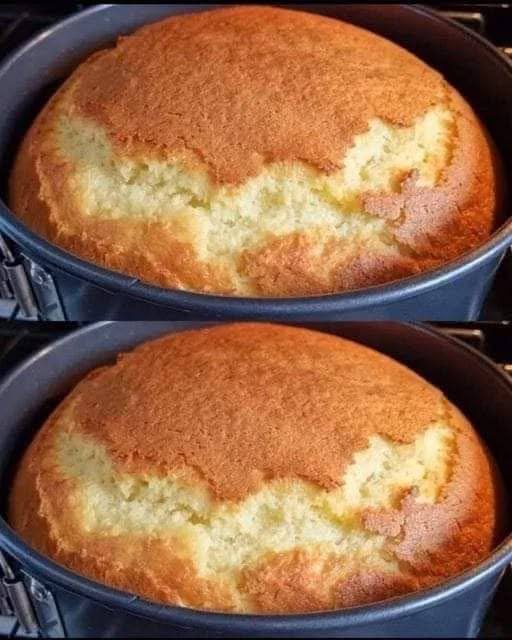
There’s something truly magical about a perfectly baked sponge cake. Its delicate, airy texture and subtly sweet flavor evoke a sense of comforting nostalgia, making it a beloved classic in kitchens around the world. Unlike denser cakes, a good sponge cake practically melts in your mouth, leaving behind a light, satisfying sweetness. It’s the kind of cake that feels special enough for celebrations but simple enough for an afternoon treat with a cup of tea.
What sets a homemade sponge cake apart is its incredible versatility and the sheer joy of creating something so elegant from scratch. The primary leavening often comes from carefully whipped eggs, which incorporate air to create that signature “sponge-like” crumb. This recipe strips away any intimidation, guiding you through each step to achieve a cake that is beautifully golden, wonderfully springy, and utterly delicious. Whether you’re a seasoned baker or just starting your culinary journey, you’ll find this recipe easy to follow, leading to truly rewarding results.
Imagine slicing into a cake with a tender, golden crust and a soft, resilient interior. This isn’t just a cake; it’s a blank canvas ready to be adorned with fresh berries and whipped cream, layered with rich buttercream, or simply dusted with powdered sugar for a pure, unadulterated experience. The beauty of a homemade sponge cake lies in its simplicity, allowing the quality of the ingredients and the precision of the technique to shine through, delivering a taste of pure, unpretentious baking at its finest.
Nutritional Information
Per serving (approximate values):
- Calories: 320
- Protein: 6g
- Carbohydrates: 45g
- Fat: 14g
- Fiber: 1g
- Sodium: 180mg
Ingredients
- 6 large eggs, at room temperature
- 1 cup (200g) granulated sugar, plus 2 tablespoons for dusting pan
- 1 cup (120g) all-purpose flour, sifted, plus 2 tablespoons for dusting pan
- 1/4 cup (56g) unsalted butter, melted and cooled slightly
- 1 teaspoon pure vanilla extract
- 1/2 teaspoon baking powder (optional, for extra lift)
- 1/4 teaspoon salt
- Butter for greasing the pan
Instructions
- Prepare Your Pan: Preheat your oven to 350°F (175°C). Grease a 9-inch (23 cm) springform pan generously with butter. Dust the greased pan with 2 tablespoons of granulated sugar, rotating to coat the bottom and sides evenly. This creates a slightly caramelized, non-stick surface. Then, dust the sugar-coated pan with 2 tablespoons of all-purpose flour, tapping out any excess. Set aside.
- Whip Eggs and Sugar: In a large, heatproof bowl (preferably a stand mixer bowl), combine the room temperature eggs and 1 cup of granulated sugar. Place the bowl over a saucepan of simmering water (make sure the bottom of the bowl does not touch the water). Whisk constantly with a hand whisk for 5-7 minutes, until the mixture is warm to the touch (about 110°F or 43°C) and the sugar has dissolved.
- Achieve Ribbon Stage: Remove the bowl from the heat. Transfer to a stand mixer fitted with the whisk attachment (or use a hand mixer). Beat on high speed for 8-10 minutes, until the mixture is very thick, pale yellow, and has tripled in volume. When you lift the whisk, the batter should fall back into the bowl in a thick ribbon that holds its shape on the surface for a few seconds before dissolving. This is crucial for the sponge’s airy texture.
- Sift Dry Ingredients: In a separate medium bowl, whisk together the sifted all-purpose flour, baking powder (if using), and salt. Sifting the flour beforehand and then whisking ensures there are no lumps and helps aerate the flour.
- Gently Fold in Dry Ingredients: Add about one-third of the flour mixture to the egg mixture. Gently fold it in using a large rubber spatula with a cutting and lifting motion, being careful not to deflate the batter. Continue adding the remaining flour in two more additions, folding until just combined and no streaks of flour remain. Overmixing will develop the gluten and make the cake tough.
- Incorporate Butter and Vanilla: In a small bowl, combine the slightly cooled melted butter and vanilla extract. Take about 1/2 cup of the sponge cake batter and gently fold it into the butter mixture. This lightens the butter mixture, making it easier to incorporate without deflating the main batter.
- Fold Butter Mixture into Batter: Gently fold the butter-vanilla mixture back into the main cake batter until just combined. Again, be very gentle to preserve the air in the batter.
- Bake the Cake: Pour the batter into the prepared springform pan. Gently tap the pan on the counter a few times to release any large air bubbles. Bake for 30-35 minutes, or until the top is golden brown, the cake springs back when lightly touched in the center, and a wooden skewer inserted into the center comes out clean.
- Cooling: Once baked, remove the cake from the oven and place it on a wire rack. Let it cool in the pan for 10-15 minutes. This allows the cake to set and prevents it from collapsing. After 10-15 minutes, carefully run a thin knife around the edge of the pan before releasing the springform. Invert the cake onto the wire rack, remove the bottom of the pan, and then invert it again so it’s right-side up. Allow it to cool completely before slicing or decorating.
Cooking Tips and Variations
Room Temperature Eggs are Key: Always use eggs at room temperature. They whip up to a much greater volume and create a more stable foam than cold eggs, which is essential for the structure of a sponge cake.
Don’t Skip the Sifting: Sifting the flour (and baking powder if using) is crucial. It removes lumps and aerates the flour, making it easier to fold into the egg mixture without deflating the batter.
The Ribbon Stage is Non-Negotiable: The success of your sponge cake rests heavily on achieving the “ribbon stage” when whipping the eggs and sugar. This means the mixture is thick, pale, and when you lift the whisk, the batter falls back in a thick ribbon that holds its shape for several seconds on the surface before disappearing. This indicates sufficient air has been incorporated.
Gentle Folding is Paramount: Once the flour is added, your touch must be incredibly gentle. Use a large rubber spatula and a folding motion (cutting down through the center, sweeping up the side, and folding over) to combine the ingredients without deflating the carefully whipped eggs. Overmixing will lead to a dense, tough cake.
Don’t Overbake: Keep a close eye on your cake towards the end of the baking time. Overbaking will result in a dry sponge. The cake is done when it’s golden brown, springs back when lightly touched in the center, and a skewer comes out clean.
Cooling Patience: Allow the cake to cool in the pan for the recommended time. Releasing too early can cause the delicate structure to collapse. Cooling on a wire rack ensures air circulation, preventing a soggy bottom.
For a Finer Crumb: If you want an even more delicate crumb, use cake flour instead of all-purpose flour. Cake flour has a lower protein content, which results in a softer, more tender cake.
Citrus Zest Variation: For a bright, fresh flavor, add 1-2 teaspoons of finely grated lemon or orange zest to the sugar before whipping with the eggs. The oils in the zest will infuse beautifully into the cake.
Chocolate Sponge: Substitute 2 tablespoons of the all-purpose flour with 2 tablespoons of unsweetened cocoa powder. Sift it along with the flour for a delicious chocolate sponge.
Almond Essence: Replace half of the vanilla extract with almond extract for a subtle nutty flavor that pairs wonderfully with fruits.
Soaked Sponge: For trifles or a more moist cake, you can gently brush the cooled sponge with a simple syrup (equal parts sugar and water, simmered until sugar dissolves, then cooled) or a liqueur like Grand Marnier or rum.
Storage and Reheating
Storage at Room Temperature: A plain, unfrosted sponge cake can be stored at room temperature for up to 2-3 days. Wrap it tightly in plastic wrap or place it in an airtight container to prevent it from drying out. The key is to protect it from air, which will quickly make it stale.
Refrigeration: If your sponge cake is filled or frosted with perishable ingredients like fresh cream, fruit curds, or dairy-based frostings, it must be stored in the refrigerator. Place it in an airtight cake carrier or cover it loosely with plastic wrap. It will keep well for 3-5 days in the fridge. Be aware that refrigeration can sometimes slightly dry out cake, so bring it to room temperature before serving for the best texture.
Freezing: Sponge cake freezes beautifully! For best results, allow the cake to cool completely. If unfrosted, wrap individual slices or the entire cake tightly in several layers of plastic wrap, then an additional layer of aluminum foil. This double layer of protection prevents freezer burn. Store in the freezer for up to 2-3 months. If frosted, you can flash freeze the cake on a baking sheet until the frosting is firm, then wrap it as described above. Thaw frozen cake overnight in the refrigerator, then bring to room temperature before serving.
Reheating: Sponge cake is generally not reheated in the traditional sense, as its delicate texture can become rubbery or dry. It is best served at room temperature. If you have refrigerated it, simply remove it from the fridge 30-60 minutes before serving to allow it to come to room temperature. This will restore its soft, airy texture.
Frequently Asked Questions
Why did my sponge cake collapse in the middle?
Several factors can cause a sponge cake to collapse. The most common reasons include insufficient whipping of the eggs and sugar (not reaching the “ribbon stage,” meaning not enough air was incorporated), overfolding the flour (which deflates the batter), opening the oven door too early during baking, or removing the cake from the oven before it’s fully set. Ensure your eggs are at room temperature and beat them until very thick and pale, fold gently, and resist the urge to peek during the first 20-25 minutes of baking.
Can I make this sponge cake without baking powder?
Yes, traditional sponge cakes often rely solely on the air whipped into the eggs for leavening. This recipe includes a small amount of baking powder as an optional “insurance policy” for extra lift and a slightly more stable crumb, which is common in many modern homemade sponge recipes. If you prefer a purer, more classic sponge, you can omit the baking powder. Just be extra diligent in whipping your eggs to the ribbon stage and folding very gently.
My sponge cake came out dry. What went wrong?
A dry sponge cake is usually a result of overbaking or not enough fat/moisture. Ensure you are not baking the cake for too long; check for doneness at the lower end of the baking time range. The cake should spring back when lightly touched and a skewer should come out clean. Also, accurately measure your ingredients, especially the flour, as too much dry ingredient can lead to a dry cake. Using room temperature ingredients also helps with moisture retention.
How can I tell if my eggs and sugar mixture has reached the “ribbon stage”?
You’ll know your eggs and sugar have reached the ribbon stage when the mixture is very pale yellow, significantly increased in volume (often tripled), and very thick and airy. When you lift the whisk, the batter should fall back into the bowl in a thick ribbon that sits on the surface for several seconds before slowly dissolving back into the rest of the mixture. This indicates that enough air has been incorporated to give the cake its light, airy structure.