Introduction
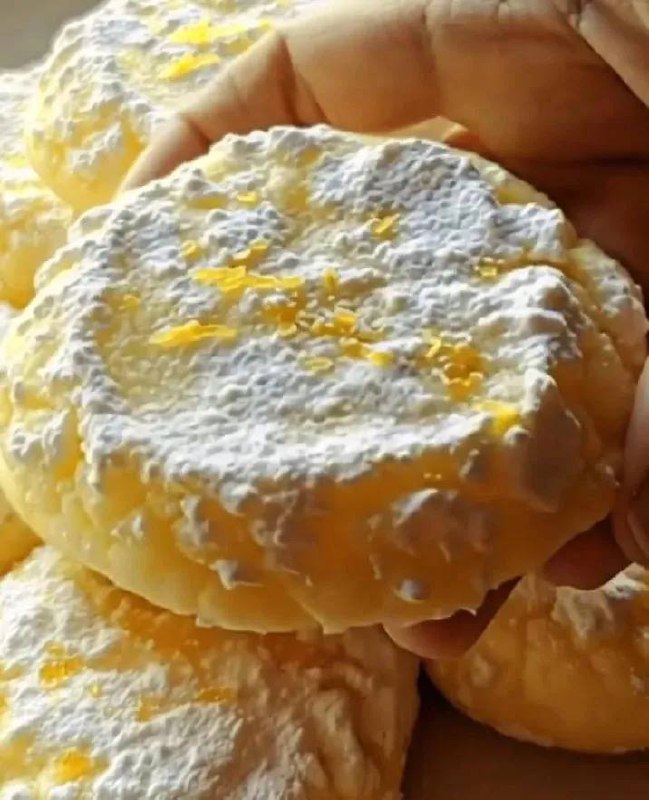
Prepare to be enchanted by the delicate magic of Lemon Meltaway Cookies, a treat so tender and delightful, it practically dissolves on your tongue. These aren’t just any cookies; they are an experience in texture and flavor, designed to melt in your mouth, leaving behind a bright, zesty burst of lemon that lingers deliciously. Perfect for brightening any day, these cookies are a beloved classic for a reason. Their irresistible nature comes from a masterful combination of ingredients that create an incredibly tender crumb, making them utterly addictive.
What makes a cookie “meltaway”? It’s all in the delicate balance of ingredients, primarily a generous amount of butter and the secret weapon: cornstarch. This dynamic duo ensures a short, crumbly texture that resists chewiness, embracing instead a soft, ethereal quality. When infused with the vibrant essence of fresh lemon, these cookies transform into sun-kissed morsels, ideal for spring gatherings, summer picnics, or simply a cozy afternoon tea. They’re also a fantastic homemade gift, sure to impress with their elegant appearance and sublime taste.
This simple recipe promises to guide you through crafting these delightful treats with ease. From the first creamy mix to the final dusting of powdered sugar, you’ll discover the joy of baking a cookie that is as beautiful to behold as it is delicious to eat. Get ready to fall in love with the bright, zesty, and utterly melt-in-your-mouth perfection of Lemon Meltaway Cookies – a truly delightful addition to any cookie repertoire.
Nutritional Information
Per serving (approximate values):
- Calories: 150-180
- Protein: 1-2g
- Carbohydrates: 20-25g
- Fat: 8-12g
- Fiber: 0-1g
- Sodium: 40-70mg
Ingredients
- 1 cup (2 sticks) unsalted butter, softened
- 1/2 cup granulated sugar
- 1/4 teaspoon salt
- 1 teaspoon pure vanilla extract
- 1 tablespoon fresh lemon zest (from 1-2 medium lemons)
- 2 tablespoons fresh lemon juice
- 1 3/4 cups all-purpose flour
- 1/2 cup cornstarch
- 1 cup powdered sugar (confectioners’ sugar), for coating
Instructions
- Preheat your oven to 350°F (175°C). Line two baking sheets with parchment paper or silicone baking mats.
- In a large mixing bowl, using an electric mixer on medium speed, cream together the softened unsalted butter, granulated sugar, and salt until light and fluffy, about 2-3 minutes. Scrape down the sides of the bowl as needed.
- Add the vanilla extract, fresh lemon zest, and fresh lemon juice to the butter mixture. Beat on low speed until just combined. Be careful not to overmix at this stage.
- In a separate medium bowl, whisk together the all-purpose flour and cornstarch until thoroughly combined. The cornstarch is crucial for achieving that signature meltaway texture.
- Gradually add the dry ingredients to the wet ingredients, mixing on low speed until just combined and a soft dough forms. Do not overmix; overmixing can lead to tough cookies. The dough will be soft and pliable.
- If the dough feels too soft to handle, cover it with plastic wrap and chill it in the refrigerator for 15-30 minutes. This step helps prevent the cookies from spreading too much during baking.
- Scoop rounded tablespoons of dough and roll them into 1-inch balls. Place the dough balls about 1-2 inches apart on the prepared baking sheets. You can gently flatten them slightly with the palm of your hand, or leave them as balls for a more domed cookie.
- Bake for 10-12 minutes, or until the edges are just barely set and the bottoms are very lightly golden. The cookies should still look pale on top. Do not overbake, as this will prevent them from achieving their signature melt-in-your-mouth texture.
- Remove the baking sheets from the oven and let the cookies cool on the sheets for 5 minutes. They will be delicate at this stage.
- While the cookies are still warm (but cool enough to handle), place the powdered sugar in a shallow bowl. Gently roll each cookie in the powdered sugar, ensuring it’s completely coated. You can also place several cookies in a sturdy bag with powdered sugar and gently shake to coat.
- Transfer the coated cookies to a wire rack to cool completely. Once cool, you may dust them with an additional layer of powdered sugar for an extra snowy effect, or garnish with a sprinkle of fresh lemon zest for visual appeal and an added burst of aroma.
Cooking Tips and Variations
Achieving the perfect Lemon Meltaway Cookie is all about precision and a few clever tricks. Firstly, always use fresh lemons. Bottled lemon juice simply cannot replicate the bright, vibrant flavor and aroma of freshly squeezed juice and zest. The zest, in particular, carries most of the lemon’s essential oils, providing that intense citrus punch. When zesting, be sure to only get the yellow part of the peel, avoiding the bitter white pith underneath.
For the signature “meltaway” texture, softened butter is key. It should be pliable enough to press a finger into, but not melted or greasy. Cold butter won’t cream properly, and melted butter will result in a greasy, flat cookie. Similarly, do not skip the cornstarch. This ingredient is the secret weapon that makes these cookies so tender and crumbly, preventing the gluten in the flour from developing too much and resulting in a chewier texture.
Do not overbake these delicate cookies. They should remain pale on top, with only the slightest hint of golden brown on the very edges. Overbaking will dry them out and diminish their melt-in-your-mouth quality. Keep a close eye on them, especially during the last few minutes of baking. The magic happens when they’re just set.
Regarding the powdered sugar coating, there are two main approaches. You can roll the cookies in powdered sugar while they are still slightly warm. This allows some of the sugar to melt slightly and create a thin glaze, which then sets, forming a more durable coating. For an extra thick, snowy finish, allow the cookies to cool completely and then roll them a second time in powdered sugar. Alternatively, if you want a purely powdery finish, wait until they are completely cool before their first coating. Sifting the powdered sugar before coating can also help prevent lumps and ensure an even, smooth layer.
For variations, consider exploring other citrus flavors. Lime Meltaways are wonderfully tart and refreshing, simply by swapping lemon zest and juice for lime. Orange Meltaways offer a sweeter, sunnier profile. You could also introduce other extracts, such as a hint of almond extract for an almond-lemon blend, or a touch of pure vanilla bean paste for added depth. For an extra celebratory touch, consider adding a very light lemon glaze (made from powdered sugar and lemon juice) to the cooled cookies *before* dusting them with powdered sugar. This adds an extra layer of lemon flavor and helps the final powdered sugar coating adhere better.
Finally, if you’re making these for a special occasion or gifting, a sprinkle of finely chopped pistachios or a few edible flower petals on top of the final powdered sugar coating can add a beautiful, sophisticated touch.
Storage and Reheating
Lemon Meltaway Cookies are best enjoyed within a few days of baking to fully appreciate their delicate texture and fresh lemon flavor. Proper storage is key to maintaining their quality.
To store baked cookies, ensure they are completely cooled after their final coating of powdered sugar. Place them in an airtight container at room temperature. Layering them between sheets of parchment paper can help prevent them from sticking together, especially if the powdered sugar coating is thick. Stored this way, they will remain fresh and delicious for up to 3-5 days. Avoid storing them in the refrigerator, as the cold temperature can dry them out and affect their tender texture. Also, keep them away from direct sunlight or heat sources, which can cause the powdered sugar to melt and become sticky.
These cookies do not typically require reheating. Their charm lies in their delicate, crumbly texture at room temperature. Reheating them, especially in a microwave, can alter their texture, making them tough or dry. If you find they have become a little firm, simply letting them sit at room temperature for a short while should be sufficient to soften them up again. They are designed to be enjoyed as a cool, melt-in-your-mouth treat.
For longer storage, Lemon Meltaway Cookies can be frozen. Once completely cooled and coated with powdered sugar, arrange them in a single layer on a baking sheet and freeze for about an hour, or until solid. This “flash freezing” prevents them from sticking together. Then, transfer the frozen cookies to a freezer-safe airtight container or heavy-duty freezer bag, layering them with parchment paper. They can be stored in the freezer for up to 2-3 months. When you’re ready to enjoy them, simply remove the desired number of cookies from the freezer and let them thaw at room temperature for about 30-60 minutes. You may find that they benefit from a fresh dusting of powdered sugar after thawing, as the original coating can sometimes absorb moisture from the air or freezer.
The dough can also be prepared in advance and frozen. After forming the dough balls, arrange them on a baking sheet and flash freeze until solid. Transfer the frozen dough balls to a freezer-safe bag and store for up to 3 months. When ready to bake, place the frozen dough balls on a prepared baking sheet and bake as directed, adding a few extra minutes to the baking time if needed, without thawing first.
Frequently Asked Questions
What makes these cookies “meltaway”?
The “meltaway” texture comes from a few key factors. Primarily, it’s the high butter content combined with the significant addition of cornstarch. The butter contributes to a rich, tender crumb, while cornstarch inhibits gluten development in the flour, resulting in a very delicate, crumbly cookie that literally dissolves in your mouth rather than having a chewy texture. This unique combination is what gives them their signature ethereal quality.
Can I use bottled lemon juice instead of fresh?
While technically possible, it is highly recommended to use fresh lemon juice and zest. Bottled lemon juice often contains preservatives and lacks the bright, vibrant, and complex flavor profile of fresh lemons. The zest, in particular, carries most of the essential oils and aroma of the lemon, which is crucial for the intense citrus flavor of these cookies. Using fresh ingredients will yield a significantly superior taste and aroma, making the extra effort well worth it.
Why did my cookies spread too much or turn out tough?
Cookies spreading too much can be due to several reasons: your butter might have been too warm (partially melted), the dough wasn’t chilled sufficiently (if needed), or your oven temperature was too low. Tough cookies are usually a result of overmixing the dough. When flour is added, mix only until just combined. Overmixing develops the gluten in the flour, leading to a chewier, tougher cookie rather than the desired tender, crumbly meltaway texture. Also, ensure you don’t overbake them; overbaking can dry them out and make them hard.
How can I get the powdered sugar to stick better?
There are a few tricks to help the powdered sugar adhere well. One method is to roll the cookies in powdered sugar while they are still slightly warm. The residual heat helps a thin layer of sugar melt and form a light glaze, which then sets, creating a more durable coating. For an even thicker, snowier coating, allow the cookies to cool completely after the first dusting, and then give them a second roll in powdered sugar. Sifting your powdered sugar before you use it can also help prevent lumps and ensure a smoother, more even coating.