Introduction
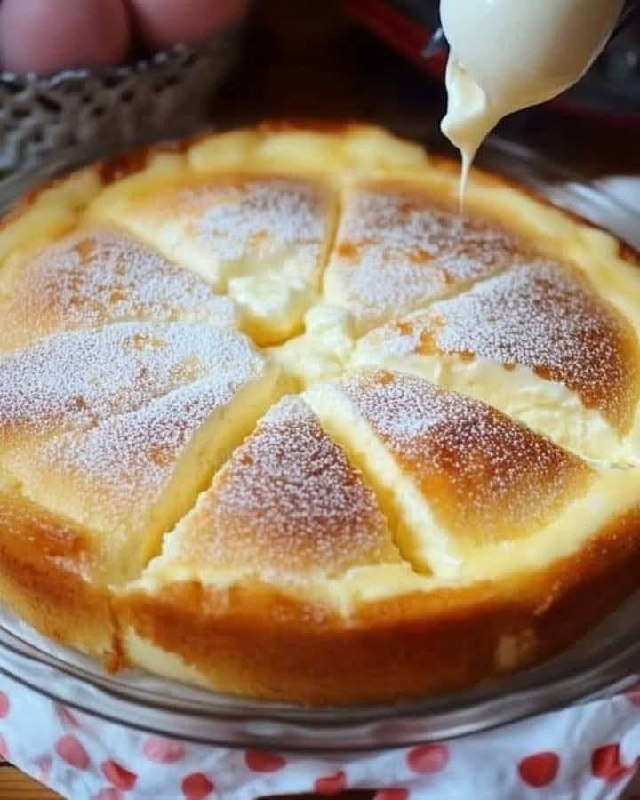
Prepare to be enchanted by a dessert that defies expectations and melts in your mouth – the Soft & Fluffy Cream Cheese Cake. This isn’t your average dense, New York-style cheesecake; instead, imagine a cloud-like creation, impossibly light, airy, and boasting a delicate creaminess that lingers on the palate. Its ethereal texture and subtle sweetness make it an irresistible treat, perfect for any occasion, from a casual afternoon tea to a sophisticated dinner party. The allure of this cake lies in its beautiful balance – rich enough to satisfy a dessert craving, yet so incredibly light that you’ll be tempted to reach for a second slice.
What sets this recipe apart is its dedication to achieving that coveted “soft & fluffy” characteristic. We’ve meticulously crafted this recipe to ensure every bite delivers a tender, almost soufflé-like experience, a stark contrast to the heavier cheesecakes you might be accustomed to. It’s a comforting dessert that feels both indulgent and surprisingly delicate, making it a truly unique addition to your baking repertoire. With simple, accessible ingredients and a few key techniques, you’ll be able to create a stunning cake that looks as good as it tastes.
Get ready to discover the secrets to a truly unforgettable cream cheese cake. We’ll guide you through each step, from understanding the role of key ingredients to mastering gentle mixing and perfect baking, ensuring you achieve that signature airiness and golden-brown crust. This recipe promises not just a delicious dessert, but a rewarding baking experience that culminates in a cloud-like creation destined to become a new favorite.
Nutritional Information
Per serving (approximate values):
- Calories: 350
- Protein: 8g
- Carbohydrates: 35g
- Fat: 20g
- Fiber: 0g
- Sodium: 220mg
Ingredients
- 250g (8 oz) cream cheese, full-fat, softened at room temperature
- 100g (½ cup) granulated sugar, divided
- 6 large eggs, separated
- 60g (½ cup) all-purpose flour, sifted
- 60ml (¼ cup) whole milk
- 30g (2 tablespoons) unsalted butter, melted
- 1 teaspoon vanilla extract
- ½ teaspoon lemon juice (optional, for egg whites)
- ¼ teaspoon cream of tartar (optional, for egg whites)
- Pinch of salt
- Powdered sugar, for dusting
- For the optional drizzle: 60ml (¼ cup) sweetened condensed milk or a simple glaze made from powdered sugar and milk/cream
Instructions
- Prepare Your Pan: Grease a 9-inch springform pan thoroughly. Line the bottom with parchment paper, and if desired, line the sides as well. Wrap the outside of the springform pan tightly with aluminum foil to prevent water from seeping in during the water bath. Preheat your oven to 160°C (325°F).
- Create the Cream Cheese Base: In a large mixing bowl, combine the softened cream cheese and 50g (¼ cup) of the granulated sugar. Beat with an electric mixer on medium speed until smooth and creamy, ensuring there are no lumps.
- Add Wet Ingredients to Cream Cheese: Gradually beat in the egg yolks, one at a time, incorporating each fully before adding the next. Stir in the melted butter, whole milk, and vanilla extract until well combined and smooth.
- Incorporate Dry Ingredients: Sift the all-purpose flour directly over the cream cheese mixture. Gently fold the flour into the batter using a spatula until just combined. Be careful not to overmix, as this can develop the gluten and make your cake tough. Set aside.
- Whip Egg Whites: In a separate, very clean, dry bowl, add the egg whites. Add a pinch of salt, the lemon juice, and cream of tartar (if using). Begin whipping on low speed, gradually increasing to medium-high.
- Add Remaining Sugar to Egg Whites: Once the egg whites become foamy, gradually add the remaining 50g (¼ cup) of granulated sugar, one tablespoon at a time, continuing to whip. Continue whipping until stiff, glossy peaks form. The egg whites should hold their shape when the whisk is lifted, but not be dry or crumbly.
- Fold Egg Whites into Batter: Add about one-third of the whipped egg whites to the cream cheese mixture. Gently fold them in with a spatula to lighten the batter. This step helps to equalize the consistency and makes it easier to incorporate the remaining whites without deflating them.
- Continue Folding: Add the remaining whipped egg whites to the lightened cream cheese mixture. Very gently fold them in using a cut-and-fold method, being careful not to deflate the air you’ve built up. Continue until no streaks of egg white remain and the batter is light and uniform.
- Prepare Water Bath: Place the foil-wrapped springform pan into a larger roasting pan. Pour the cake batter into the prepared springform pan. Carefully pour hot water into the roasting pan, reaching about halfway up the sides of the springform pan.
- Bake the Cake: Carefully transfer the roasting pan with the cake to the preheated oven. Bake for 60-75 minutes, or until the top is golden brown and the center is set but still has a slight jiggle. The internal temperature should be around 75-80°C (167-176°F).
- Cooling Process: Once baked, turn off the oven but leave the cake inside with the oven door ajar for another 30-60 minutes. This slow cooling prevents cracking and shrinking.
- Chill Thoroughly: Remove the cake from the oven and the water bath. Let it cool completely on a wire rack at room temperature. Once cooled, cover and refrigerate for at least 4 hours, or preferably overnight, to allow it to firm up and for the flavors to meld.
- Serve: Carefully remove the cake from the springform pan. Dust generously with powdered sugar just before serving. If desired, drizzle with sweetened condensed milk or a simple glaze. Slice into wedges and enjoy your soft and fluffy creation!
Cooking Tips and Variations
Achieving the perfect soft and fluffy texture in this cream cheese cake relies on a few key techniques and careful attention to detail. Firstly, ensure all your cold ingredients, especially the cream cheese and eggs, are at room temperature before you begin. This allows the cream cheese to cream smoothly without lumps and the egg yolks to incorporate evenly, creating a more uniform and airy batter. When separating eggs, be meticulous – even a tiny bit of yolk in the whites can prevent them from whipping to stiff peaks, which are crucial for the cake’s lift and fluffiness. For extra stability in your egg whites, adding a pinch of cream of tartar or a few drops of lemon juice can help them reach and maintain their peak. The folding process is perhaps the most critical step; use a gentle, cut-and-fold motion with a spatula to incorporate the whipped egg whites into the cream cheese batter. This preserves the air you’ve meticulously whipped into the whites, which translates directly to the cake’s light and airy texture. Avoid vigorous stirring, which will deflate the whites and result in a denser cake.
Baking in a water bath is non-negotiable for this style of cheesecake. The ambient steam created by the water bath ensures even baking, prevents the cake from cracking, and keeps the interior incredibly moist and tender. Without it, the cake is more likely to bake too quickly, dry out, and develop cracks. Don’t rush the cooling process either; allowing the cake to cool slowly in the oven with the door slightly ajar, and then at room temperature, helps prevent sudden temperature changes that can lead to shrinking and cracking. Finally, a good chill in the refrigerator is essential. This not only sets the cake’s structure but also allows the flavors to deepen and meld, resulting in a more delicious and stable dessert.
For variations, you can easily customize the flavor profile. For a citrusy twist, add 1-2 tablespoons of fresh lemon or orange zest to the cream cheese mixture. This brightens the flavor beautifully. A touch of almond extract instead of or in addition to vanilla can offer a different aromatic dimension. For a more decadent experience, consider swirling in a tablespoon or two of fruit puree (like raspberry or passion fruit) before baking, or serving with a fresh berry compote. You could also experiment with a very thin layer of graham cracker crust on the bottom for a contrasting texture, though this will make it less “fluffy” from top to bottom. For a richer topping, instead of just powdered sugar, consider a light cream cheese glaze made with softened cream cheese, powdered sugar, and a splash of milk, or a sweetened sour cream topping for a tangy counterpoint. The possibilities are endless once you master the basic soft and fluffy technique!
Storage and Reheating
Storing your Soft & Fluffy Cream Cheese Cake properly is key to maintaining its delicate texture and fresh taste. Once the cake has completely cooled to room temperature, cover it tightly with plastic wrap or transfer it to an airtight container. It can be stored in the refrigerator for up to 3-4 days. The cake is best enjoyed chilled, as this allows its flavors to fully develop and its structure to firm up, making it easier to slice cleanly. Avoid leaving the cake at room temperature for extended periods, especially in warm environments, as the dairy ingredients can spoil quickly.
If you’ve managed to have any leftovers (a rare occurrence with this delicious cake!), freezing is also an option. To freeze, ensure the cake is fully chilled. You can freeze individual slices or the entire cake. For individual slices, wrap each slice tightly in plastic wrap, then again in aluminum foil, and place them in a freezer-safe bag or container. For a whole cake, you can freeze it unwrapped until firm (about 2-3 hours), then wrap it tightly in plastic wrap followed by aluminum foil. Frozen cake can last for up to 1-2 months. When you’re ready to enjoy it, thaw the cake or individual slices in the refrigerator overnight. Avoid thawing at room temperature, as this can cause condensation and affect the texture. This cake is typically served chilled or at cool room temperature, so reheating is generally not recommended as it can alter the delicate texture and make it less fluffy. Simply thaw and enjoy!
Frequently Asked Questions
Why did my cake crack on top?
Cracking is a common issue with cheesecakes, and it’s usually due to rapid temperature changes or overbaking. To prevent this, ensure you bake the cake in a water bath, which creates a moist environment and helps the cake bake evenly. Also, do not open the oven door too frequently during baking. Most importantly, allow the cake to cool very slowly. Turn off the oven and leave the cake inside with the door slightly ajar for at least 30-60 minutes before removing it completely. This gradual cooling process minimizes the temperature shock that can cause cracks.
Can I make this cake without a springform pan?
While a springform pan is highly recommended for cheesecakes due to its easy release, you can use a regular round cake pan if necessary. You’ll need to grease and line the pan thoroughly with parchment paper, allowing the paper to extend a few inches above the rim of the pan on all sides. This creates “handles” that you can use to lift the cooled cake out of the pan. Be very careful when removing the cake to avoid damaging its delicate structure.
How can I tell if the cake is done baking?
The cake is done when the edges are set and a beautiful golden brown, but the very center still has a slight jiggle when gently shaken. If you insert a thin skewer or toothpick into the center, it should come out with moist crumbs, not wet batter. An instant-read thermometer inserted into the center should register between 75-80°C (167-176°F). Remember that it will continue to set as it cools, so it’s better to slightly underbake than overbake for a truly fluffy texture.
My egg whites didn’t get stiff peaks. What went wrong?
There are a few common culprits if your egg whites don’t whip up properly. First, ensure your mixing bowl and whisk are absolutely clean and dry, free of any grease or oil, as fat will prevent the whites from foaming. Second, make sure there is no egg yolk mixed in with the whites; even a tiny drop can ruin the process. Third, use room temperature egg whites, as they whip up with more volume than cold ones. Finally, ensure you add the sugar gradually once the whites are already foamy, not at the beginning, as sugar can inhibit initial foaming.