Introduction
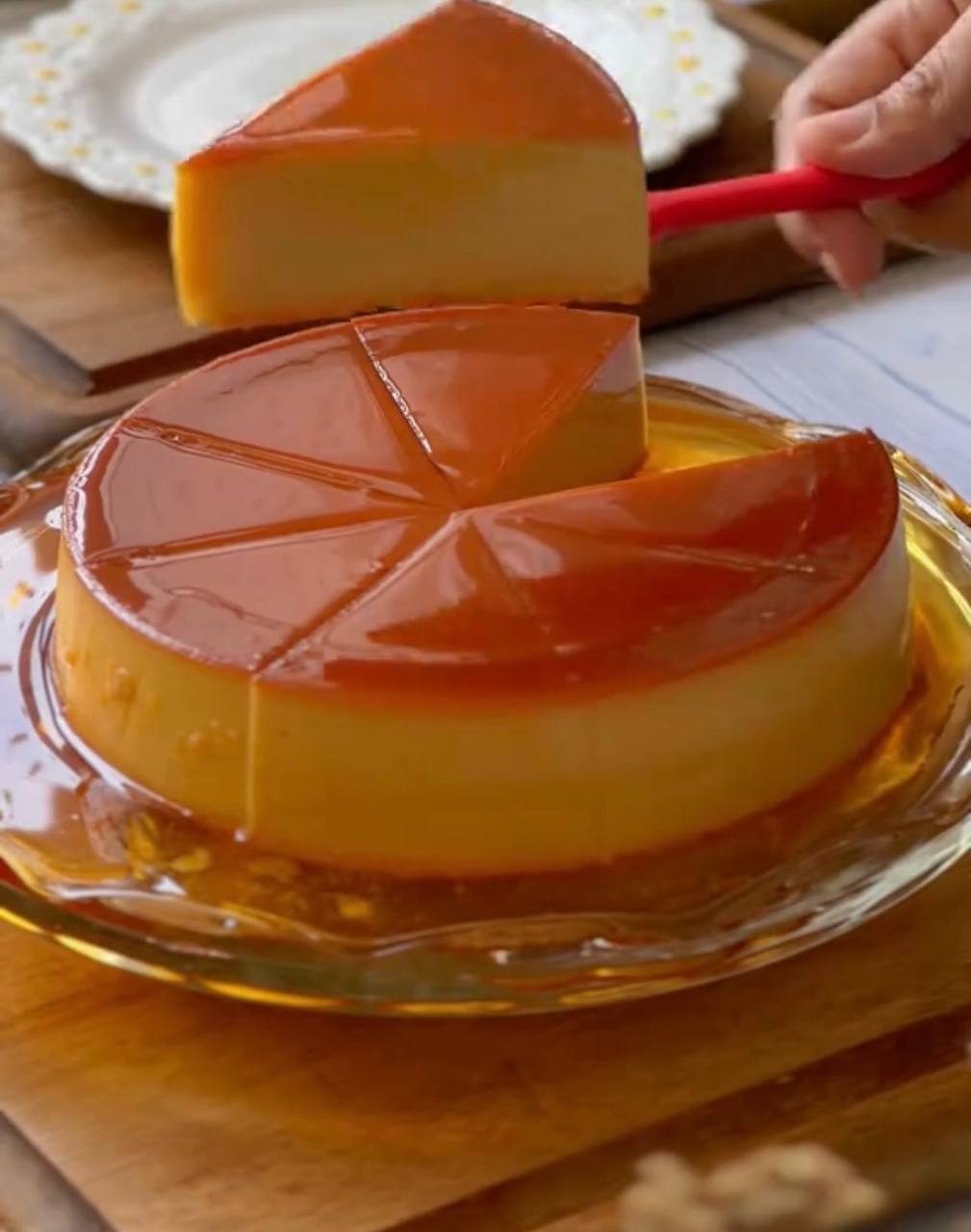
The internet is buzzing, your social feeds are flooded, and for good reason: there’s a dessert that has captured the hearts (and taste buds!) of millions. Prepare yourselves, because THIS IS THE RECIPE THAT IS GOING VIRAL RIGHT NOW, and it’s about to become your new obsession. We’re talking about the utterly irresistible, silky smooth, and gloriously rich Caramel Flan, often known as Leche Flan in Filipino households. This isn’t just any dessert; it’s a culinary masterpiece that looks incredibly impressive, yet is surprisingly simple to create in your own kitchen. Imagine a creamy, melt-in-your-mouth custard base, topped with a glistening, deep amber caramel sauce that cascades down the sides as you invert it. It’s a showstopper, a crowd-pleaser, and an absolute must-try.
What makes this particular Caramel Flan recipe so special, and why has it exploded across social media? It’s a perfect storm of factors: the sheer beauty of its presentation, the comforting familiarity of its flavors, and the gratifying ease with which it comes together. Unlike some viral trends that fizzle out, this flan delivers on every promise. Its texture is unparalleled – velvety smooth without a single bubble, a testament to careful preparation. The flavor profile is a harmonious balance of sweet, rich custard complemented by the slightly bitter, complex notes of the caramelized sugar. Every bite is a journey of pure decadence, leaving you craving just one more.
You might think such an elegant dessert is reserved for professional chefs or fancy restaurants, but that’s precisely why this recipe has gone viral. It demystifies the process, breaking it down into achievable steps that even novice bakers can master. We’ll guide you through creating the perfect amber caramel, whisking together the silkiest custard, and cooking it to perfection in a water bath, ensuring that coveted jiggly yet firm texture. Get ready to impress your family and friends, because with this recipe, you’re not just making a dessert; you’re creating a viral sensation right at home.
Nutritional Information
Per serving (approximate values, based on 10 servings):
- Calories: 320 kcal
- Protein: 7g
- Carbohydrates: 45g
- Fat: 13g
- Fiber: 0g
- Sodium: 100mg
Ingredients
For the Caramel:
- 1 cup (200g) granulated sugar
- 1/4 cup (60ml) hot water
For the Custard:
- 12 large egg yolks
- 1 can (14 ounces / 397g) sweetened condensed milk
- 1 can (12 ounces / 354ml) evaporated milk
- 1 cup (240ml) whole milk (or fresh milk)
- 1 teaspoon pure vanilla extract
- Pinch of salt
Instructions
- Preheat your oven to 350°F (175°C). Have a roasting pan or a larger baking dish ready that can accommodate your flan mold(s) and allow for a water bath.
- Prepare the Caramel: In a medium-sized, heavy-bottomed saucepan, spread the 1 cup of granulated sugar evenly in a single layer. Place over medium heat. Do not stir the sugar. Allow it to melt slowly and evenly.
- As the sugar begins to melt and turn amber around the edges, you can gently swirl the pan to help the melting process, but avoid stirring with a spoon. Continue cooking until the sugar is fully melted and has turned a beautiful deep amber color. Be careful not to let it get too dark, as it can quickly burn and become bitter.
- Carefully and slowly pour the 1/4 cup of hot water into the melted caramel. The caramel will vigorously bubble and steam; stand back and be cautious. Stir gently until the water is fully incorporated and the caramel is smooth.
- Immediately pour the hot caramel into your chosen flan mold(s) (a 9-inch round cake pan, a Bundt pan, or individual ramekins work well). Carefully swirl the pan to coat the bottom evenly with the caramel. Set aside to cool and harden.
- Prepare the Custard: In a large mixing bowl, gently whisk the 12 egg yolks. Do not beat vigorously, as this can introduce too much air, leading to bubbles in your finished flan.
- Add the sweetened condensed milk, evaporated milk, whole milk, vanilla extract, and a pinch of salt to the egg yolks. Whisk gently until all ingredients are just combined and smooth. Again, avoid creating too many bubbles.
- To ensure a super silky smooth custard, strain the mixture through a fine-mesh sieve into another bowl or a large measuring cup with a spout. You may want to strain it twice to remove any chalazae (the white stringy bits in eggs) and any remaining air bubbles. Skim off any foam from the surface.
- Carefully pour the strained custard mixture over the hardened caramel in your flan mold(s).
- Prepare the Water Bath (Bain-Marie): Place your flan mold(s) into the larger roasting pan. Carefully pour hot water into the roasting pan, ensuring it comes at least halfway up the sides of the flan mold(s). This water bath is crucial for even cooking and preventing the custard from cracking or curdling.
- Carefully transfer the roasting pan with the flan mold(s) and water into the preheated oven.
- Bake for 50-70 minutes for a large flan, or 30-45 minutes for individual ramekins, or until the flan is just set. To check for doneness, gently shake the pan; the edges should be firm, but the center should have a slight jiggle. An inserted knife or toothpick near the edge should come out clean. Avoid overbaking, which can lead to a rubbery texture.
- Carefully remove the roasting pan from the oven. Using oven mitts, carefully lift the flan mold(s) out of the hot water bath.
- Let the flan cool completely at room temperature on a wire rack for at least 1-2 hours.
- Once cooled, cover the flan mold(s) with plastic wrap and refrigerate for at least 4 hours, or preferably overnight. Chilling is essential for the flan to set properly and for the flavors to meld beautifully.
- Unmold the Flan: When ready to serve, run a thin knife around the edges of the flan mold to loosen it. Place your serving plate upside down over the flan mold. In one swift, confident motion, invert the flan onto the plate. The caramel sauce should cascade beautifully over the custard. If the caramel is too thick to flow, you can briefly dip the bottom of the mold in warm water for 10-20 seconds to loosen it before inverting.
- Slice and serve chilled.
Cooking Tips and Variations
For the ultimate viral-worthy Caramel Flan, attention to detail is key. First and foremost, when making your caramel, resist the urge to stir it with a spoon once the sugar is on the heat. Swirling the pan is acceptable, but direct stirring can cause crystallization. Watch the caramel like a hawk; it can go from perfect amber to burnt bitterness in seconds. A light to medium amber is ideal for a balanced flavor, offering a slight counterpoint to the sweet custard without being overwhelming. If you accidentally burn it, don’t despair! Discard it and start fresh, as burnt caramel will ruin the entire dessert.
When preparing the custard, the goal is silkiness. This means being gentle with your whisking to avoid incorporating too much air, which can lead to unsightly bubbles and a less smooth texture. The most crucial step for a truly velvety flan is straining the custard mixture. Strain it at least once, but ideally twice, through a very fine-mesh sieve. This removes any unmixed egg bits, chalazae, and tiny air bubbles, ensuring that coveted pristine, smooth surface and interior. Don’t skip this step; it makes all the difference.
The water bath (bain-marie) is your best friend for cooking flan. It provides gentle, even heat, preventing the custard from cooking too quickly, curdling, or cracking on the surface. Ensure the water is hot when you add it to the roasting pan, and that it comes at least halfway up the sides of your flan mold. Overbaking is the enemy of a good flan, leading to a rubbery or porous texture. Look for that gentle jiggle in the center while the edges are set. Finally, allow ample chilling time – at least 4 hours, but preferably overnight. This allows the flan to firm up completely, for the flavors to deepen, and for the caramel to fully liquefy into a beautiful sauce.
Variations:
- Citrus Zest: Add 1-2 teaspoons of finely grated lemon, orange, or lime zest to the custard mixture for a bright, refreshing twist.
- Coffee Flan: Dissolve 1-2 tablespoons of instant coffee or espresso powder in a small amount of hot milk before adding it to the custard base for a rich coffee flavor.
- Coconut Flan: Substitute half of the evaporated milk with full-fat coconut milk for a tropical Caribbean or Southeast Asian-inspired flavor.
- Spiced Flan: Infuse the whole milk with a cinnamon stick, star anise, or a few cardamom pods before adding it to the custard. Strain out the spices before mixing.
- Chocolate Swirl: Melt a few ounces of dark chocolate and swirl it gently into a portion of the prepared custard before pouring into the mold for a marbled effect.
- Individual Servings: Instead of a large pan, use individual ramekins for elegant single-serve portions. Adjust baking time accordingly.
Storage and Reheating
Caramel Flan is a dessert that truly shines when served chilled, making it an excellent make-ahead option for parties and gatherings. Proper storage is key to maintaining its exquisite texture and flavor. Once your flan has been unmolded and served, any leftovers should be stored promptly in the refrigerator.
To store, cover the flan tightly with plastic wrap or place individual slices in an airtight container. This prevents the flan from absorbing odors from other foods in the refrigerator and helps maintain its moisture. Stored properly, Caramel Flan will keep beautifully in the refrigerator for up to 3-5 days. The caramel sauce may thicken slightly when cold, but it will still be delicious.
Reheating is generally not recommended for flan, as its delicate custard texture is best enjoyed cold. Heating it can cause the custard to become rubbery or watery, and the caramel sauce might separate. The beauty of flan lies in its chilled, refreshing quality. If you find the caramel sauce has solidified too much after refrigeration, you can try letting an individual slice sit at room temperature for 10-15 minutes before serving, or gently warm the serving plate slightly to help the caramel flow. However, the flan itself should remain cold for the best eating experience.
For optimal enjoyment, simply take the flan out of the refrigerator, slice, and serve. The contrast between the cool, creamy custard and the sweet, flowing caramel is what makes this dessert so irresistible.
Frequently Asked Questions
Why did my caramel burn, or why did it crystallize?
Caramel can be tricky! It burns quickly if the heat is too high or if left unattended for too long. For crystallization, this often happens if you stir the sugar directly while it’s melting, or if sugar crystals splash onto the sides of the pan and fall back in. To prevent burning, use medium heat and watch it constantly. For crystallization, avoid stirring, and if sugar crystals form on the sides, brush them down with a wet pastry brush.
How do I prevent bubbles in my flan custard?
Bubbles are often caused by whisking the egg mixture too vigorously, incorporating too much air, or by not straining the custard. To prevent them, gently whisk the ingredients, avoid overmixing, and always strain the custard mixture at least once (preferably twice) through a fine-mesh sieve to remove any foam or air bubbles before pouring it into the mold. Also, cooking in a water bath prevents rapid boiling, which can also create bubbles.
My flan is watery, or it didn’t set properly. What went wrong?
A watery or unset flan is usually a sign of undercooking or not enough chilling time. Make sure you bake the flan until the edges are set and the center has only a slight jiggle. The internal temperature of a properly cooked flan should be around 170-175°F (77-79°C). Also, chilling is absolutely crucial; the flan needs ample time (at least 4 hours, ideally overnight) in the refrigerator to fully set and firm up. Don’t rush this step!
What’s the best way to unmold the flan without breaking it?
Unmolding can be nerve-wracking, but it’s simple with the right technique! First, ensure the flan is thoroughly chilled. Run a thin, sharp knife around the entire edge of the flan where it meets the mold to loosen it. Next, place your serving plate upside down directly over the flan mold. In one quick, confident motion, flip both the mold and the plate over. You should feel the flan release. If it doesn’t release immediately, you can gently jiggle the mold, or briefly dip the bottom of the mold in warm water for 10-20 seconds to help loosen the caramel before inverting.
Conclusion
There you have it – the secret to creating the viral sensation that is Caramel Flan, a dessert so utterly delicious and visually stunning, it’s bound to become your new go-to. We’ve walked through every step, from crafting that perfect amber caramel to achieving the silkiest, most luscious custard imaginable. The beauty of this recipe lies not just in its exquisite taste and elegant appearance, but in its surprising accessibility. You don’t need to be a pastry chef to master this; just a little patience and adherence to these simple guidelines will yield spectacular results.
This Caramel Flan isn’t just a dessert; it’s an experience. The moment you invert it and the glistening caramel cascades down, pooling around the creamy custard, you’ll understand why the internet can’t stop talking about it. Every spoonful is a symphony of textures and flavors – the rich sweetness of the custard perfectly balanced by the subtle bitterness of the caramel, all melting delightfully in your mouth. It’s comfort, decadence, and pure joy, all rolled into one.
So, what are you waiting for? Don’t miss out on this viral sensation! Gather your ingredients, follow our detailed instructions, and prepare to create a culinary masterpiece that will impress everyone who tries it. Bake it for a special occasion, a weeknight treat, or simply because you deserve something truly wonderful. Share your creations online, tag us, and join the chorus of happy flan makers. Your kitchen is about to become the source of the most talked-about dessert around!